Invisalign Dental Treatment: A Modern Approach to Straightening Teeth
02 Jun, 2026
1511 Views 0 Like(s)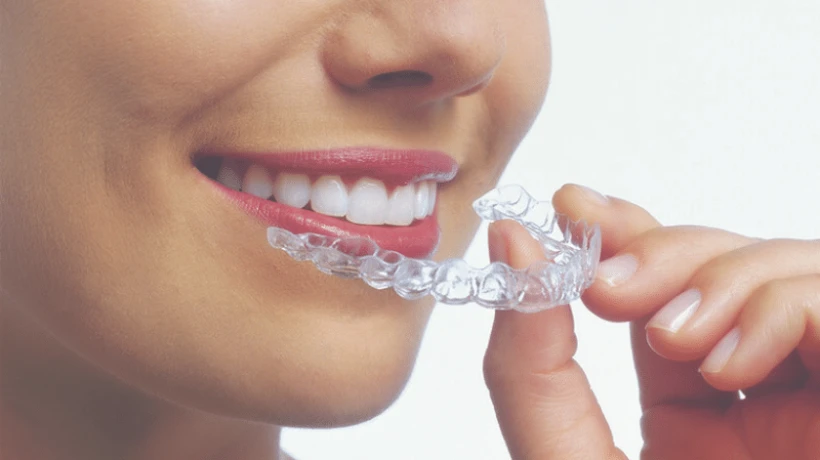
Discover how Invisalign dental treatment works, its benefits, treatment process, and who can benefit from clear aligners. Learn how Invisalign can help you achieve a straighter, healthier, and more confident smile.
A straight smile not only enhances your appearance but also contributes to better oral health and improved self-confidence. For many years, traditional metal braces were the most common solution for correcting crooked teeth and bite problems. However, advancements in orthodontic technology have introduced a more comfortable and discreet option known as Invisalign dental treatment.
Invisalign has become one of the most popular orthodontic treatments worldwide because it allows patients to straighten their teeth without the appearance of metal brackets and wires. Using a series of clear, custom-made aligners, Invisalign gradually moves teeth into their desired position while maintaining a natural-looking smile throughout the treatment process.
Whether you are dealing with gaps, crowding, or mild bite issues, Invisalign offers a modern solution designed to fit seamlessly into everyday life.
What Is Invisalign Dental Treatment?
Invisalign is a clear aligner system used to correct various orthodontic concerns. Instead of brackets and wires, the treatment relies on transparent plastic aligners that fit snugly over the teeth.
Each aligner is carefully designed to apply controlled pressure to specific teeth, guiding them through gradual movements over time. As treatment progresses, patients switch to a new set of aligners according to their dentist’s instructions, allowing teeth to move step by step toward their ideal positions.
The aligners are virtually invisible, making Invisalign an attractive option for individuals who want to improve their smile discreetly.
How Does Invisalign Work?
Invisalign treatment begins with a comprehensive dental examination and digital assessment. Modern dental clinics often use advanced intraoral scanners to create a highly accurate 3D model of the patient's teeth.
Using specialized software, the dentist develops a customized treatment plan that maps every stage of tooth movement. This digital planning process helps ensure precision and predictability throughout treatment.
The aligners work by applying gentle, continuous pressure to the teeth. This pressure stimulates a natural biological process called bone remodeling, allowing teeth to gradually shift into their planned positions. Each new aligner continues the process until the desired alignment is achieved.
Dental Problems Invisalign Can Treat
One of the reasons Invisalign has become so popular is its ability to address a wide range of orthodontic concerns.
Teeth Gaps
Spaces between teeth can affect both appearance and function. Invisalign aligners can gradually close these gaps and create a more balanced smile.
Crowded Teeth
When teeth overlap or compete for space, maintaining oral hygiene becomes more difficult. Invisalign can help align crowded teeth and improve accessibility for brushing and flossing.
Crooked Teeth
Mild to moderate misalignment can often be corrected effectively using clear aligner therapy.
Bite Problems
Invisalign may also be suitable for treating certain bite issues, including:
- Overbite
- Underbite
- Crossbite
- Open bite
Treatment suitability depends on the complexity of the case and should be determined through professional evaluation.
Benefits of Invisalign Dental Treatment
Virtually Invisible Appearance
One of Invisalign’s biggest advantages is its discreet design. The clear aligners are difficult to notice during everyday interactions, making them a preferred choice for adults and professionals.
Comfortable to Wear
Unlike traditional braces, Invisalign aligners do not contain metal brackets or wires. Their smooth plastic design minimizes irritation to the gums and cheeks.
Removable Convenience
Patients can remove aligners while eating, drinking, brushing, and flossing. This flexibility allows them to maintain their normal lifestyle without major restrictions.
Better Oral Hygiene
Because the aligners are removable, patients can continue their regular oral hygiene routine more effectively than with traditional braces.
Customized Treatment
Every Invisalign treatment plan is personalized according to the patient's unique dental condition and smile goals.
The Invisalign Treatment Process
Initial Consultation
The journey begins with a consultation where the dentist evaluates the patient's oral health, tooth alignment, and treatment objectives.
Digital Scanning
Advanced digital scans are used to create a precise 3D representation of the teeth. This technology eliminates the need for traditional impression materials.
Treatment Planning
The dentist develops a customized treatment plan that outlines the expected movement of the teeth throughout treatment.
Aligner Fabrication
A series of custom aligners is manufactured based on the approved treatment plan.
Active Treatment Phase
Patients wear the aligners according to the prescribed schedule and attend periodic follow-up appointments to monitor progress.
Retention Phase
Once treatment is complete, retainers are typically recommended to help maintain the results and prevent teeth from shifting back to their original positions.
Patient Experience During Invisalign Treatment
Most patients adapt quickly to Invisalign treatment. During the first few days of wearing a new aligner, mild pressure or tightness may occur. This sensation is generally temporary and indicates that the aligners are working.
Some patients may notice slight speech changes initially, but these typically improve as the tongue adjusts to the aligners.
Because Invisalign aligners are removable, patients can continue enjoying their favorite foods and beverages without many of the restrictions associated with traditional braces.
Caring for Invisalign Aligners
Proper maintenance helps keep aligners clean and effective throughout treatment.
Patients should:
- Rinse aligners regularly
- Clean them using recommended methods
- Avoid exposing them to hot water
- Remove them before eating or drinking anything other than water
- Store them safely when not in use
Good aligner care contributes to better oral hygiene and treatment success.
Who Is a Good Candidate for Invisalign?
Many teenagers and adults are suitable candidates for Invisalign treatment. Patients with mild to moderate alignment concerns often achieve excellent results with clear aligners.
A professional consultation is necessary to determine whether Invisalign is appropriate based on factors such as:
- Tooth alignment
- Bite condition
- Oral health status
- Treatment goals
An experienced dentist can recommend the most suitable orthodontic solution after a detailed evaluation.
Frequently Asked Questions
Is Invisalign better than traditional braces?
Invisalign offers advantages such as improved aesthetics, comfort, and convenience. However, the best treatment option depends on the complexity of the individual case.
Can adults get Invisalign treatment?
Yes. Invisalign is widely used by adults who want a discreet way to straighten their teeth.
Does Invisalign hurt?
Most patients experience mild pressure rather than pain, especially when changing to a new aligner.
Can Invisalign close teeth gaps?
In many cases, Invisalign can effectively close gaps and improve overall smile aesthetics.
How do I know if Invisalign is right for me?
A consultation with a qualified Invisalign provider can determine whether clear aligners are suitable for your dental needs.
Conclusion
Invisalign dental treatment has transformed modern orthodontics by providing a comfortable, discreet, and highly effective alternative to traditional braces. Through advanced digital technology and customized treatment planning, Invisalign helps patients achieve straighter teeth while maintaining confidence throughout the process.
Whether you are looking to close gaps, correct crowding, or improve your overall smile, Invisalign offers a modern solution designed to fit your lifestyle. With professional guidance and consistent aligner wear, patients can achieve long-lasting improvements in both appearance and oral health.



Comments
Login to Comment