Interior vs. Exterior Industrial Cleaning: A Complete Guide
05 Mar, 2026
5814 Views 0 Like(s)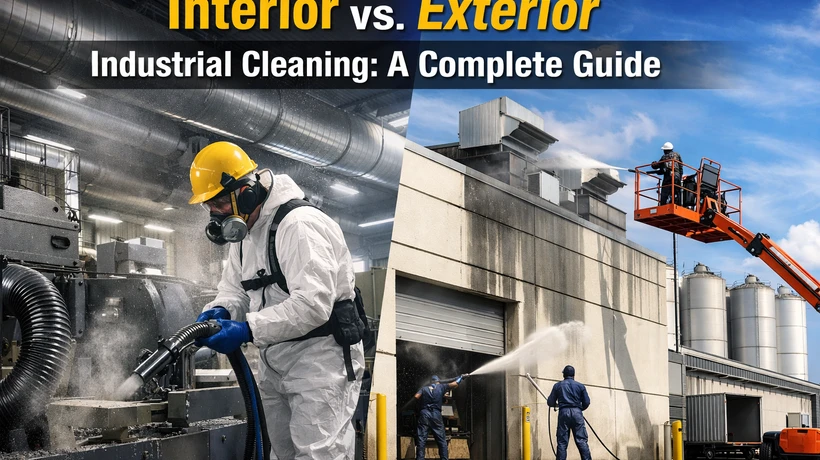
Complete guide to interior and exterior industrial cleaning. Learn key differences, benefits, and how to improve safety, efficiency, and compliance.
Industrial facilities operate in demanding environments where safety, efficiency, and compliance are non negotiable. One of the most critical yet often overlooked components of facility maintenance is Industrial Cleaning. Many businesses focus heavily on production output while underestimating the impact of both interior and exterior cleaning on long term performance.
Understanding the difference between interior and exterior Industrial Cleaning helps facility managers create a proactive maintenance strategy that protects equipment, employees, and overall operations. This complete guide explains what each type involves, why it matters, and how to determine what your facility needs.
What Is Industrial Cleaning
Industrial Cleaning refers to specialized cleaning processes designed for factories, warehouses, processing plants, power facilities, and other heavy duty environments. Unlike commercial cleaning, Industrial Cleaning involves advanced equipment, trained technicians, and strict safety protocols.
Industrial Cleaning typically addresses:
-
Heavy machinery and equipment
-
Production floors
-
Storage silos and tanks
-
Ventilation and exhaust systems
-
Dust collection systems
-
Building exteriors and structural components
These services help reduce operational risks, improve productivity, and ensure compliance with workplace safety regulations.
What Is Interior Industrial Cleaning
Interior Industrial Cleaning focuses on cleaning and maintaining the internal components of a facility. This includes production areas, equipment, confined spaces, and air handling systems.
Areas Covered in Interior Industrial Cleaning
Interior Industrial Cleaning commonly includes:
-
Machinery and production equipment
-
Storage silos and bins
-
Dust collection systems
-
Heat exchangers
-
Interior exhaust and ventilation systems
-
Floors and processing zones
These areas are often exposed to dust buildup, chemical residue, grease accumulation, and airborne contaminants.
Why Interior Industrial Cleaning Is Essential
Neglecting interior Industrial Cleaning can lead to serious consequences:
-
Increased fire and explosion risks due to dust accumulation
-
Equipment inefficiency and breakdowns
-
Poor indoor air quality
-
Product contamination
-
OSHA compliance violations
Regular interior Industrial Cleaning supports smoother production flow and reduces unexpected downtime.
Common Interior Industrial Cleaning Methods
Professional Industrial Cleaning teams may use:
-
High pressure cleaning systems
-
Industrial vacuum extraction
-
Chemical cleaning where appropriate
-
Manual deep cleaning for detailed areas
-
Confined space cleaning procedures
Each method is selected based on facility type, material buildup, and safety requirements.
What Is Exterior Industrial Cleaning
Exterior Industrial Cleaning focuses on the outside structures and systems of a facility. While often overlooked, exterior maintenance is equally important for long term structural integrity and workplace safety.
Areas Covered in Exterior Industrial Cleaning
Exterior Industrial Cleaning may include:
-
Building facades
-
Exterior silos and tanks
-
Rooftop exhaust systems
-
Loading docks
-
Parking areas
-
Drainage systems
These surfaces are exposed to weather, pollution, and environmental debris.
Why Exterior Industrial Cleaning Matters
Exterior Industrial Cleaning plays a vital role in:
-
Preventing corrosion and structural damage
-
Reducing slip and fall hazards
-
Maintaining drainage systems
-
Protecting equipment from environmental exposure
-
Preserving the professional appearance of the facility
Ignoring exterior buildup can lead to costly repairs and potential safety hazards.
Common Exterior Industrial Cleaning Techniques
Typical methods include:
-
Pressure washing
-
Surface degreasing
-
Environmental runoff control
-
Equipment based surface treatment
Proper planning ensures environmental regulations are followed during exterior cleaning processes.
Key Differences Between Interior and Exterior Industrial Cleaning
While both are forms of Industrial Cleaning, they address different risks and operational challenges.
Safety Risks
Interior Industrial Cleaning often involves confined spaces, airborne particles, and complex machinery. Exterior Industrial Cleaning may involve working at heights, managing weather conditions, and handling large scale structural surfaces.
Equipment and Tools
Interior cleaning typically requires containment systems, industrial vacuums, and specialized safety gear. Exterior cleaning relies heavily on pressure washing systems, lift equipment, and protective barriers.
Compliance Considerations
Interior Industrial Cleaning supports OSHA compliance related to air quality and workplace hazards. Exterior Industrial Cleaning must comply with environmental and wastewater regulations.
Which Type of Industrial Cleaning Does Your Facility Need
Most facilities require both interior and exterior Industrial Cleaning. The right approach depends on:
-
Type of industry
-
Production volume
-
Material handled
-
Inspection results
-
Age of infrastructure
Facilities that handle combustible dust, food processing materials, or chemical substances should prioritize frequent interior cleaning. Facilities exposed to coastal air, heavy rain, or pollution may require more frequent exterior cleaning.
A balanced maintenance plan ensures that no critical area is neglected.
Benefits of a Comprehensive Industrial Cleaning Strategy
Investing in regular Industrial Cleaning provides measurable benefits:
-
Reduced equipment downtime
-
Improved operational efficiency
-
Extended equipment lifespan
-
Lower repair costs
-
Enhanced employee safety
-
Stronger regulatory compliance
A proactive cleaning schedule costs far less than emergency repairs or production shutdowns.
Choosing the Right Industrial Cleaning Partner
Selecting an experienced Industrial Cleaning provider is essential for achieving safe and effective results. Look for companies with:
-
Trained and certified technicians
-
Experience in your industry
-
Advanced equipment and safety protocols
-
Strong compliance knowledge
-
Customized cleaning plans
For businesses seeking reliable Industrial Cleaning Services in Fullerton, Trebla INC delivers specialized solutions designed to meet the needs of manufacturing plants, warehouses, and processing facilities. Their expertise in both interior and exterior Industrial Cleaning helps local facilities maintain safety, efficiency, and regulatory compliance.
Conclusion
Industrial Cleaning is not limited to wiping down surfaces or maintaining appearances. It is a critical component of operational safety and efficiency. Interior Industrial Cleaning protects machinery, air quality, and production flow. Exterior Industrial Cleaning safeguards structural integrity and environmental compliance.
Facility managers who implement a comprehensive Industrial Cleaning strategy reduce risks, extend equipment life, and support long term business success. By understanding the differences between interior and exterior Industrial Cleaning, you can create a maintenance plan that keeps your facility operating at peak performance year round.

Comments
Login to Comment