Innovation in Paint Protection Film Brings Enhanced Durability to Modern Vehicles
13 Aug, 2026
671 Views 0 Like(s)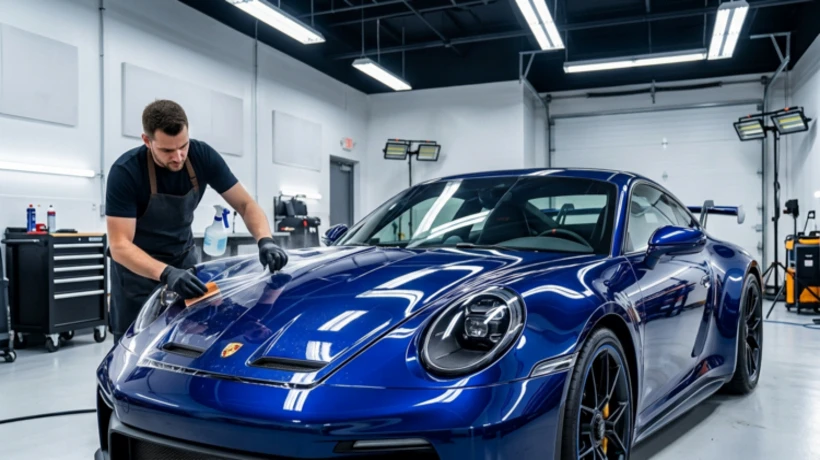
The automotive industry is experiencing continuous innovation in vehicle protection as car owners place greater importance on preserving their vehicles' exterior appearance. Modern driving conditions expose automotive paint to road debris, dust, pollution, sunlight, insects, and changing weather, creating a need for more advanced protection solutions.
The automotive industry is experiencing continuous innovation in vehicle protection as car owners place greater importance on preserving their vehicles' exterior appearance. Modern driving conditions expose automotive paint to road debris, dust, pollution, sunlight, insects, and changing weather, creating a growing need for advanced protection solutions.
Paint Protection Film (PPF) has evolved significantly in response to these challenges. Improvements in film materials, construction, surface technology, and installation techniques are giving vehicle owners more effective ways to protect their cars while maintaining their original appearance.
The Evolution of Automotive Paint Protection
Traditional car care methods such as washing, polishing, and waxing remain important for maintaining a vehicle's appearance. However, these methods primarily focus on cleaning and surface enhancement rather than providing a physical barrier against road-related impacts.
Modern PPF takes a different approach. The film is applied over selected painted surfaces, creating an additional layer between the original finish and external elements.
When professionally installed, PPF can help reduce the effects of minor stone chips, scratches, road debris, insects, and certain environmental contaminants.
Advanced Materials Improve Film Performance
One of the significant developments in PPF technology is the use of advanced materials such as Thermoplastic Polyurethane (TPU). TPU-based films offer a combination of flexibility, durability, and conformability, allowing the film to follow the contours of modern vehicle panels.
Some advanced films also incorporate self-healing technology, which is designed to reduce the appearance of certain minor surface marks when exposed to suitable heat.
These developments are helping improve the overall functionality of modern automotive protection films.
Combining PPF With Surface Protection
The development of complementary surface technologies has also expanded the possibilities for vehicle care. PPF Coating can be considered alongside paint protection film when a compatible coating is specifically designed for use over PPF.
Depending on the product, a suitable coating may provide properties such as improved water repellency, easier cleaning, and enhanced surface appearance. However, coatings and PPF serve different purposes. PPF provides a physical protective layer, while a coating generally focuses on surface characteristics.
Vehicle owners should always confirm compatibility with the PPF manufacturer's recommendations before applying a coating.
Protection Meets Modern Vehicle Styling
Modern PPF is no longer limited to transparent films. Matte and satin finishes can provide vehicles with a distinctive appearance while adding a protective layer over the underlying paint.
Certain specialized printable films can also support customized graphics, patterns, or branding through compatible printing processes.
This combination of protection and personalization has made PPF particularly relevant to automotive enthusiasts, sports-car owners, luxury vehicle owners, and businesses using vehicles for promotional purposes.
Durability Depends on More Than the Film
Although advanced materials can improve PPF performance, installation quality remains an important consideration. Proper surface preparation, accurate fitting, careful application, and clean edge finishing can influence the appearance and durability of the finished installation.
Vehicle owners should consider film specifications, warranty, coverage, maintenance requirements, and installer experience when selecting a protection solution.
Maintaining PPF After Installation
Installing PPF does not eliminate the need for regular vehicle maintenance. Dust, dirt, road grime, insects, and other contaminants should still be removed using suitable cleaning methods.
Following the manufacturer's maintenance recommendations can help preserve the film's clarity and appearance. If a PPF Coating is applied, owners should also follow the care instructions provided for that specific coating.
The Future of Automotive Protection
Continued research into film materials and surface technologies is likely to bring further developments in automotive protection. Future PPF solutions may offer improvements in durability, flexibility, optical clarity, self-healing capabilities, and finish options.
This evolution reflects a broader movement toward preventive vehicle care, where owners aim to reduce exterior wear before it becomes significant.
Conclusion
Innovation in Paint Protection Film is helping raise expectations for automotive exterior protection. Advances in TPU materials, film construction, self-healing technology, and surface treatments are providing vehicle owners with greater flexibility in protecting and maintaining their cars.
While no protective solution can eliminate every form of damage, quality PPF can help reduce everyday exposure to road debris and minor surface imperfections. With professional installation, suitable PPF Coating where appropriate, and proper maintenance, modern vehicle protection can become an important part of preserving a car's exterior.
Frequently Asked Questions
1. What has changed in modern PPF technology?
Modern PPF can offer improvements in material flexibility, durability, optical clarity, finishes, and features such as self-healing technology, depending on the product.
2. Why is TPU used in Paint Protection Film?
TPU provides a combination of flexibility and durability that allows protective film to conform to the complex contours of modern vehicles.
3. What is PPF Coating?
PPF Coating is a surface coating designed for compatible PPF or automotive surfaces. Depending on the product, it may improve water repellency, ease of cleaning, or surface appearance.
4. Can PPF protect against stone chips?
Quality PPF can help reduce damage caused by minor stone impacts and road debris, but it cannot guarantee protection against severe impacts.
5. Can PPF be used for vehicle customization?
Yes. Matte, satin, and certain printable PPF options can combine exterior protection with different styling and personalization possibilities.

Comments
Login to Comment