Can Wart Removal Leave Scars?
10 Oct, 2026
14 Views 0 Like(s)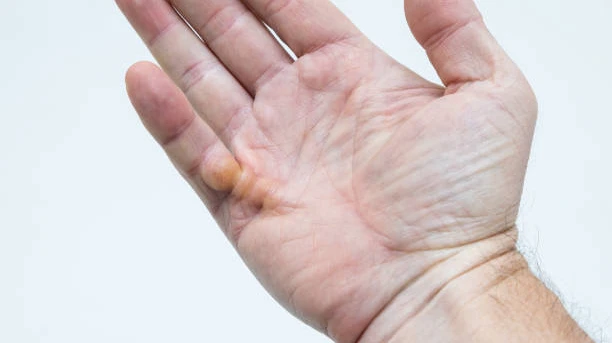
Warts Removal Treatment in Riyadh offers various options for managing unwanted warts on different body areas. Learn about available procedures, recovery, and essential aftercare.
Warts are common skin growths caused by certain types of human papillomavirus (HPV). Although they are usually harmless, many people choose to remove them because of discomfort, irritation, cosmetic concerns, or the risk of spreading them to other areas. One common concern before treatment is whether removing a wart can leave a permanent mark. The answer is yes, wart removal can sometimes cause scarring, but the risk depends on the treatment method, the wart’s depth and location, and how the skin heals. Understanding these factors before considering Warts Removal Treatment in Riyadh can help you make an informed decision about your skin care.
Not every wart removal procedure leaves a visible scar. Many treated areas heal with minimal marks, while some may develop temporary redness, changes in pigmentation, or a small area of altered skin texture. Treatments that affect deeper layers of skin generally carry a greater risk of scarring than methods that target the wart more superficially. If you are considering Warts Removal Treatment in Riyadh, consulting a qualified healthcare professional can help you understand the potential outcomes and choose an appropriate treatment for your individual skin concerns.
Why Can Wart Removal Leave Scars?
Scarring occurs when the skin repairs itself after an injury that affects its deeper layers. Some wart removal methods destroy or remove infected tissue, and the body then produces new skin during the healing process. If the damage extends beyond the skin’s superficial layers, the repaired area may look or feel different from the surrounding skin.
The likelihood of scarring depends on several factors, including the size and thickness of the wart, its location, the technique used, and your natural healing response. Warts on areas that experience frequent friction or pressure, such as the soles of the feet, may require particular care during recovery.
Picking at the treated area, removing scabs prematurely, or developing an infection can also increase the risk of noticeable marks. Following professional aftercare instructions is therefore an important part of the treatment process.
Which Wart Removal Methods Are More Likely to Cause Scars?
Different procedures affect the skin in different ways. A healthcare professional can explain the benefits and risks of each method before treatment.
Cryotherapy
Cryotherapy uses extreme cold, commonly liquid nitrogen, to destroy wart tissue. The procedure may cause redness, swelling, blistering, and temporary tenderness. After the area heals, some people notice a lighter or darker patch of skin.
Permanent scarring is possible but is not inevitable. The risk may increase with aggressive treatment, repeated freezing, or damage to deeper tissue. Healing time varies according to the wart’s location and the intensity of treatment.
Laser Wart Removal
Laser treatment uses concentrated energy to target wart tissue. It may be considered for selected persistent or difficult-to-treat warts, depending on clinical assessment and local availability.
Possible side effects include redness, swelling, discomfort, pigmentation changes, and scarring. The risk depends on the laser type, settings, treatment depth, and the characteristics of the affected skin. Your clinician should explain the expected healing process and any special precautions before the procedure.
Electrosurgery
Electrosurgery uses electrical energy to destroy wart tissue and may be combined with scraping or another removal technique. It can be effective for certain warts, but the procedure may cause bleeding, tenderness, pigment changes, or scarring.
Because treatment can affect deeper tissue, proper technique and wound care are important. A clinician will consider the wart’s size, location, and the potential cosmetic outcome before recommending this option.
Surgical Wart Removal
Surgical removal involves cutting out or otherwise physically removing the wart. It may be appropriate for selected cases, but it can leave a small scar because the procedure creates a wound that must heal.
The appearance of the final mark depends on the depth of removal, the location of the wart, and the individual’s healing response. Surgical removal is not automatically the best option for every wart, particularly when less invasive alternatives may be suitable.
Topical Wart Treatments
Some topical treatments, including products containing salicylic acid, gradually break down wart tissue. These products may cause irritation, peeling, redness, or soreness, especially if they contact healthy skin.
When used appropriately for suitable common warts, they may avoid the need for an invasive procedure. However, incorrect use can damage the surrounding skin and potentially cause scarring. Do not use ordinary over-the-counter wart products on the face, genitals, or other sensitive areas unless a qualified healthcare professional specifically advises you to do so.
Are Wart Removal Scars Permanent?
Not all marks left after wart removal are permanent scars. Redness, mild discoloration, or a flat patch of lighter or darker skin may gradually improve over weeks or months as the skin recovers.
A true scar involves a lasting change in skin texture or structure. Some scars become less noticeable over time, but others may remain visible. Raised or thickened scars can also occur in people who are prone to this type of healing response.
It is important to distinguish between pigmentation changes and structural scarring. Pigmentation affects the color of the skin, whereas a scar may change its texture, thickness, or contour. A dermatologist can assess the affected area and advise whether further treatment is appropriate.
How to Reduce the Risk of Scarring After Wart Removal
Although scarring cannot always be prevented, good aftercare can reduce avoidable skin damage and support healing.
-
Follow aftercare instructions: Use the recommended cleaning method, dressings, and topical products as directed.
-
Do not pick at the treated area: Allow blisters, crusts, and scabs to heal naturally rather than pulling them off.
-
Keep the area clean: Gentle cleaning helps reduce the risk of infection. Avoid harsh chemicals or unapproved home remedies.
-
Avoid unnecessary friction: Protect the treated area from rubbing, pressure, or repeated irritation, particularly on the feet and hands.
-
Protect healing skin from sunlight: Sun exposure may make discoloration more noticeable. Follow professional advice about suitable sun protection for the treated location.
-
Attend follow-up appointments when recommended: A clinician can check healing and advise you if the area needs further attention.
Seek medical advice if you notice increasing pain, spreading redness, pus, persistent bleeding, or delayed healing. These symptoms may indicate a complication that needs assessment.
Can You Remove a Scar Left by a Wart?
Some scars can become less noticeable with appropriate care, but the best approach depends on the type of mark. A flat area of discoloration may improve gradually, while a raised or indented scar may require a different approach.
A dermatologist may discuss options such as silicone-based scar products, selected laser procedures, or other treatments when appropriate. Not every scar needs treatment, and results vary. Avoid applying strong acids, bleaching agents, or other harsh products to the area without professional guidance, as they may worsen irritation or discoloration.
It is also important to confirm that the original area has healed fully and that no wart remains before considering a cosmetic procedure. Further treatment should be selected according to the skin’s condition and the individual’s healing history.
Choosing Professional Wart Removal in Riyadh
The right wart removal method depends on the type of wart, its location, how long it has been present, and whether previous treatments have worked. A qualified healthcare professional can examine the growth, discuss alternatives, and explain the possibility of scarring or pigment changes before treatment.
For individuals considering Warts Removal Treatment in Riyadh, professional assessment can help identify an appropriate approach while taking skin sensitivity, cosmetic concerns, and recovery needs into account. No procedure can guarantee a scar-free result, but careful treatment selection and proper aftercare can help reduce avoidable risks.
Book a Consultation at Royal Clinic Saudia
If you are concerned about scarring after wart removal, Royal Clinic Saudia can help you explore suitable assessment and treatment options. During a consultation, a qualified healthcare professional can examine the affected area, discuss potential side effects, and explain the expected healing process. Contact Royal Clinic Saudia to arrange an appointment and receive guidance tailored to your skin concerns.
FAQs:
Does every wart removal procedure leave a scar?
No. Many warts heal with little or no noticeable scarring. However, some procedures can cause lasting marks, particularly when deeper layers of skin are affected or healing complications occur.
How long does it take for skin to heal after wart removal?
Healing time depends on the procedure, the wart’s location, and its size. Mild redness may settle within days, while blisters, scabs, or wounds from more invasive treatments can take longer to heal.
Can wart removal cause dark spots on the skin?
Yes. Some treatments can cause temporary or persistent darkening or lightening of the skin. These pigment changes are not the same as structural scars and may gradually improve over time.
What should I do if a scar develops after wart removal?
Allow the area to heal fully and seek advice from a qualified healthcare professional if the mark concerns you. The appropriate approach depends on whether it is discoloration, a raised scar, or an indented scar. Avoid using harsh products without professional guidance.


Comments
Login to Comment