How to Store Nut Butter to Keep It Fresh Longer
16 Jun, 2026
1301 Views 0 Like(s)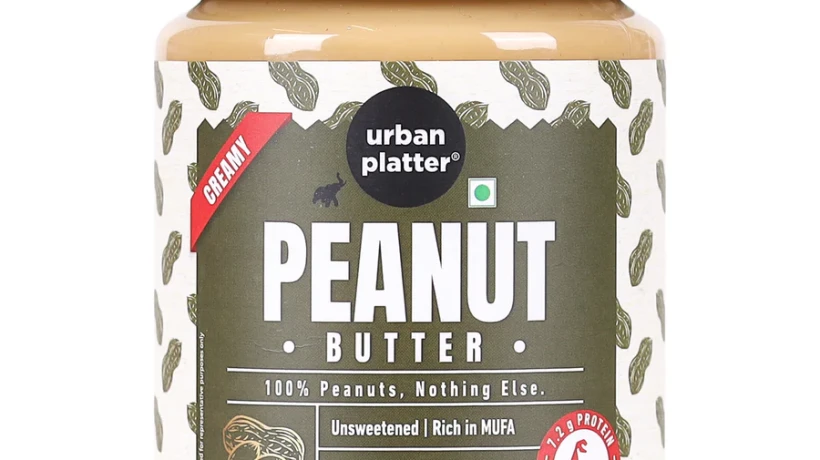
Nut butter contains natural oils that contribute to its smooth texture and rich taste. Over time, exposure to heat, air, moisture, and light can affect these oils and alter the quality of the product.
Nut butter has become a pantry essential for many households thanks to its creamy texture, rich flavor, and versatility. Whether spread on toast, blended into smoothies, added to desserts, or used in savory recipes, nut butter offers countless ways to enhance everyday meals.
However, like many natural food products, proper storage is essential to maintain its freshness, flavor, and texture. Incorrect storage can lead to changes in consistency, separation of oils, and a shorter shelf life. Understanding how to store nut butter correctly can help you enjoy every jar for longer while reducing food waste.
In this guide, we'll explore the best practices for storing nut butter and keeping it fresh for as long as possible.
Why Proper Storage Matters
Nut butter contains natural oils that contribute to its smooth texture and rich taste. Over time, exposure to heat, air, moisture, and light can affect these oils and alter the quality of the product.
Proper storage helps preserve:
- Fresh flavor
- Smooth texture
- Natural aroma
- Product quality
- Shelf life
By following a few simple storage habits, you can ensure your nut butter stays enjoyable from the first spoonful to the last.
Understand the Ingredients
Before deciding how to store your nut butter, take a moment to review the product label. Different types of nut butter may contain varying ingredients, which can influence storage requirements.
Some varieties contain only nuts, while others may include:
- Salt
- Natural sweeteners
- Oils
- Flavorings
Natural nut butter with minimal ingredients often separates more easily because it contains fewer stabilizers. This separation is normal and does not indicate spoilage.
Always check the manufacturer's storage recommendations for the best results.
Store in a Cool, Dry Place
For unopened jars, a cool and dry pantry is usually the ideal storage location.
Keep nut butter away from:
- Direct sunlight
- Heat sources
- Stovetops
- Ovens
- Windows
Excessive heat can accelerate oil separation and affect the overall quality of the product.
Maintaining a consistent storage temperature helps preserve freshness for longer periods.
Keep the Lid Tightly Sealed
Air exposure is one of the primary factors that can affect the freshness of nut butter.
After each use:
- Wipe the rim of the jar clean
- Close the lid tightly
- Return the jar to its storage location promptly
A properly sealed container helps minimize exposure to air and reduces the risk of moisture entering the jar.
Use Clean and Dry Utensils
Introducing moisture or food particles into the jar can affect the quality of nut butter over time.
Always use:
- Clean spoons
- Dry knives
- Fresh utensils for each serving
Avoid double-dipping or using utensils that have come into contact with other foods such as jam, fruit, or yogurt.
Simple habits like these help maintain freshness and support food safety.
Should You Refrigerate Nut Butter?
Whether to refrigerate nut butter often depends on the ingredients and your usage habits.
For natural nut butter made with minimal ingredients, refrigeration may help:
- Slow oil separation
- Maintain freshness
- Extend shelf life
However, refrigeration can also make nut butter firmer and more difficult to spread.
If you consume nut butter regularly and finish jars quickly, storing them in a cool pantry is often sufficient. If you use it less frequently, refrigeration can be a helpful option.
Always follow the storage guidance provided on the product packaging.
Stir Natural Nut Butter Properly
Many natural nut butter products experience oil separation during storage. This is completely normal and occurs because the natural oils rise to the top.
To maintain a smooth consistency:
- Stir thoroughly before first use
- Mix the oils evenly throughout the jar
- Continue stirring occasionally if separation occurs
Once mixed, some people prefer refrigerating the jar to slow future separation.
Avoid Temperature Fluctuations
Frequent changes in temperature can affect the texture and quality of nut butter.
Try to avoid moving the jar repeatedly between:
- Refrigerators
- Kitchen counters
- Warm storage spaces
Consistent storage conditions help preserve the product's original texture and flavor.
Watch for Signs of Spoilage
Although nut butter generally has a good shelf life, it can eventually lose quality.
Common signs that nut butter may no longer be at its best include:
- Unusual odor
- Significant changes in flavor
- Visible mold
- Discoloration
- Excessively dry texture
If you notice any of these changes, it is best to discard the product.
Always check expiration dates and consume nut butter within the recommended timeframe.
Choose the Right Container
If you transfer nut butter to another container, select one that is:
- Airtight
- Clean
- Dry
- Food-safe
Glass containers with secure lids can help maintain freshness while protecting the product from excess air and moisture.
However, keeping nut butter in its original packaging is often the simplest and most effective option.
Buy the Right Size for Your Needs
Selecting an appropriate jar size can also help maintain freshness. If you use nut butter occasionally, consider smaller containers that can be finished more quickly after opening. Larger jars may be more practical for households that consume nut butter frequently. Matching your purchase size to your consumption habits helps reduce waste and ensures better product quality.
Creative Ways to Use Nut Butter Before It Expires
Using nut butter regularly is one of the best ways to enjoy it at peak freshness.
You can incorporate nut butter into:
- Smoothies
- Protein shakes
- Overnight oats
- Toast toppings
- Energy bites
- Desserts
- Salad dressings
Experimenting with different recipes can help you use your nut butter efficiently while adding variety to your meals.
Final Thoughts
Proper storage plays an important role in preserving the taste, texture, and quality of nut butter. By storing it in a cool, dry place, using clean utensils, sealing the jar tightly, and following product-specific instructions, you can help keep your nut butter fresh for longer.
Whether you prefer almond, peanut, cashew, or mixed varieties, a few simple storage practices can make a noticeable difference. Understanding how factors such as temperature, air exposure, and moisture affect nut butter allows you to enjoy every jar at its best.
With the right storage habits, your favorite nut butter can remain a delicious and versatile ingredient in your kitchen for weeks or even months after opening.


Comments
Login to Comment