How to Protect Your Landscape During Hurricane Season
06 May, 2026
1835 Views 0 Like(s)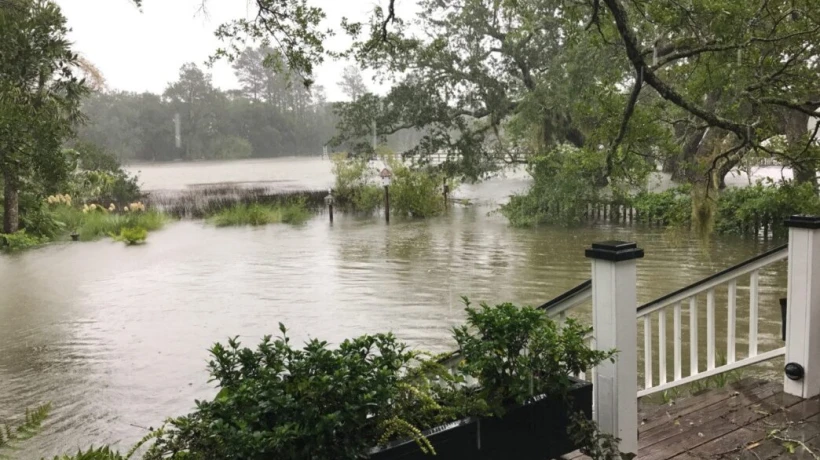
Protecting your landscape during hurricane season starts with smart planning and resilient design. Learn how native plants, proper drainage, tree maintenance, and erosion control can help coastal South Carolina landscapes withstand severe storms while keeping outdoor spaces healthy and beautiful year-round.
Hurricane season brings a unique set of challenges for homeowners across coastal South Carolina. Strong winds, flooding, saltwater exposure, and heavy rainfall can quickly damage lawns, trees, gardens, and outdoor living spaces if landscapes are not properly prepared. Taking proactive steps before severe weather arrives can help minimize damage while protecting the long-term health of your property.
At Lowcountry Vistas, hurricane-season landscape planning focuses on creating resilient outdoor spaces that can better withstand the unpredictable conditions of coastal storms.
Start Preparing Before Storm Season Begins
Waiting until a hurricane warning is issued often leaves homeowners with very little time to protect their landscape properly. Early preparation is one of the best ways to reduce potential storm damage.
In coastal areas like Charleston and Mount Pleasant, hurricane season officially begins in June, but landscape preparation should ideally start during spring.
Early preparation may include:
- Inspecting trees and shrubs
- Checking drainage systems
- Removing dead branches
- Securing outdoor features
- Refreshing mulch properly
- Evaluating erosion-prone areas
A well-maintained landscape is generally more capable of surviving extreme weather conditions.
Trim Trees and Remove Weak Branches
Trees are often one of the biggest hazards during hurricanes. Weak limbs, dead branches, and overcrowded canopies can break during high winds, causing damage to homes, vehicles, fences, and nearby plants.
Professional pruning before hurricane season can help:
- Reduce wind resistance
- Remove unstable branches
- Improve tree structure
- Lower the risk of falling debris
Native trees that are properly maintained usually perform better during storms because they are naturally adapted to local conditions.
However, over-pruning should be avoided. Excessive trimming can weaken trees and make them more vulnerable to storm stress.
Secure Loose Outdoor Materials
Loose landscaping materials can quickly become airborne during strong winds. Decorative items, lightweight planters, garden tools, and unsecured furniture should always be stored safely before a storm arrives.
Items to secure may include:
- Patio furniture
- Hanging baskets
- Potted plants
- Garden decorations
- Fire pits
- Outdoor lighting
- Lawn equipment
Even smaller objects can become dangerous projectiles during hurricane-force winds.
Improve Landscape Drainage
Heavy rain and flooding are common during hurricanes. Poor drainage can lead to standing water, soil erosion, and plant damage throughout the property.
Improving drainage before storm season helps landscapes recover more effectively after severe weather.
Storm-ready drainage solutions may include:
- French drains
- Rain gardens
- Swales and berms
- Permeable pavers
- Dry creek beds
- Proper grading adjustments
Healthy drainage systems help move excess water away from the home while protecting planting beds and lawns from oversaturation.
Use Mulch Correctly
Mulch helps retain soil moisture and protect plant roots, but improperly applied mulch can create problems during storms.
Before hurricane season:
- Avoid overly deep mulch layers
- Keep mulch away from tree trunks
- Use heavier natural mulch materials when possible
- Refresh washed-out areas carefully
Lightweight mulch can easily float away during flooding, potentially clogging drainage systems and spreading debris across the landscape.
Choose Storm-Resistant Native Plants
Native Lowcountry plants are often better suited for hurricane-prone environments because they naturally tolerate coastal weather conditions, salt exposure, and periods of heavy rain.
Storm-resistant plant choices may include:
- Muhly grass
- Wax myrtle
- Yaupon holly
- Palmetto palms
- Sweetgrass
- Southern live oak
Deep-rooted native plants help stabilize soil while reducing erosion during strong storms.
At Lowcountry Vistas, native landscaping is often incorporated into storm-resilient designs to improve both durability and long-term sustainability.
Protect Against Soil Erosion
Flooding and heavy rainfall can quickly wash away soil, especially on sloped properties or coastal lots. Erosion control is essential for protecting both landscape health and structural stability.
Ways to reduce erosion include:
- Installing groundcovers
- Using retaining walls where needed
- Planting deep-rooted vegetation
- Creating buffer zones
- Stabilizing drainage paths
Keeping soil in place during storms helps preserve the overall integrity of the landscape.
Inspect Irrigation and Lighting Systems
Underground irrigation systems and outdoor lighting can suffer damage during severe weather. Before hurricane season begins, homeowners should inspect systems for leaks, exposed wiring, or damaged components.
Turning off irrigation systems before major storms can also help prevent unnecessary water saturation.
Routine maintenance helps reduce expensive repairs after the storm passes.
Remove Damaged Plants Quickly After Storms
Once conditions are safe, inspecting the landscape for damage is important. Broken branches, uprooted plants, and storm debris should be removed promptly to reduce disease risks and encourage recovery.
After a hurricane:
- Remove damaged limbs carefully
- Check trees for instability
- Clear blocked drainage areas
- Replant damaged sections if needed
- Monitor standing water issues
Healthy landscapes often recover faster when post-storm cleanup is handled properly.
Create a Long-Term Storm-Resilient Landscape
The best hurricane protection starts with thoughtful landscape design. A storm-resilient landscape combines native plants, proper grading, durable hardscaping, and smart drainage systems to reduce future storm damage.
Long-term resilient landscape strategies may include:
- Native coastal plantings
- Reduced lawn areas
- Water management systems
- Wind-resistant tree placement
- Sustainable soil improvement
- Permeable hardscaping materials
These features not only improve storm protection but also create lower-maintenance and more environmentally friendly outdoor spaces.
Final Thoughts
Hurricane season is a reality of coastal living, but proactive landscape preparation can make a major difference in how well a property handles severe weather. Proper pruning, drainage improvements, erosion control, and native plant selection all help create stronger, healthier landscapes that are better prepared for storms.
For homeowners throughout the Lowcountry, investing in storm-resilient landscaping provides long-term protection while preserving the beauty and functionality of outdoor spaces year-round.
At Lowcountry Vistas, landscape design is approached with the unique challenges of coastal South Carolina in mind, helping homeowners build outdoor environments that remain durable through every season.



Comments
Login to Comment