How to Plan a Successful Home Remodeling Project
29 Jul, 2026
813 Views 0 Like(s)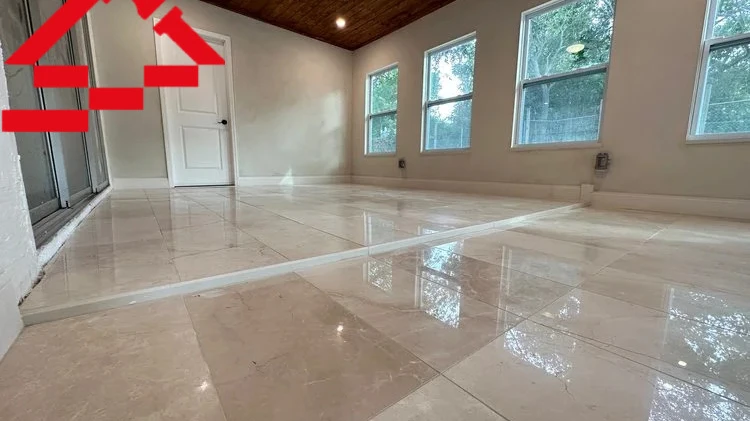
A home remodeling project is an exciting opportunity to improve the way you live, add functionality to your space, and refresh the overall look of your home.
Define the Purpose of Your Remodel
Before looking at paint colors, flooring samples, or cabinet styles, identify exactly why you're remodeling.
Ask yourself questions such as:
- Which areas of the home no longer meet your needs?
- Are you remodeling for better functionality, updated aesthetics, or additional living space?
- Which improvements will make the biggest difference in your daily routine?
Having clear objectives makes it much easier to prioritize decisions throughout the project.
Instead of trying to renovate everything at once, focus on improvements that provide lasting value and solve existing problems.
Create a Realistic Plan
Every successful remodeling project begins with a detailed plan.
This includes evaluating:
- Existing room layouts
- Structural limitations
- Electrical and plumbing requirements
- Storage needs
- Material selections
- Construction timeline
Planning every major decision before demolition begins reduces uncertainty once work is underway.
One common mistake I've seen homeowners make is changing major design decisions halfway through construction. While adjustments sometimes become necessary, frequent changes often create delays and complicate the entire project. Spending a little more time planning upfront usually leads to a much smoother renovation.
Think About How You Live Every Day
Beautiful homes are enjoyable, but functional homes are even better.
As you plan your remodel, consider your family's daily habits.
For example:
- Do you need more storage?
- Are gathering spaces large enough for entertaining?
- Would an open layout improve traffic flow?
- Does your flooring withstand pets, children, or frequent visitors?
Design choices should support everyday living rather than simply follow current trends.
The most successful renovations balance appearance with practicality.
Prioritize High-Impact Improvements
When remodeling multiple areas, it's helpful to identify which upgrades will have the greatest long-term impact.
Common priorities include:
- Kitchens
- Bathrooms
- Flooring
- Lighting
- Storage solutions
- Entryways
Improving these spaces often enhances both functionality and the overall feel of the home.
Rather than treating every room equally, concentrate first on the spaces your family uses most often.
Select Durable Materials
A remodeling project represents a long-term investment, so material selection deserves careful attention.
Look beyond appearance and consider factors such as:
- Ease of maintenance
- Moisture resistance
- Scratch resistance
- Longevity
- Cleaning requirements
For families with children or pets, practical performance often becomes just as important as style.
Choosing durable materials today can significantly reduce maintenance and replacement needs in the future.
Don't Underestimate Lighting
Lighting has a remarkable effect on how a home feels.
A well-designed lighting plan includes several layers instead of relying on one overhead fixture.
Consider combining:
- Ambient lighting
- Task lighting
- Accent lighting
- Natural daylight
These layers improve both functionality and comfort while highlighting architectural features throughout the home.
Even simple lighting improvements can completely change the atmosphere of a room.
Insider Tip: Finalize Materials Before Construction Starts
Experienced remodelers often recommend selecting all major materials before demolition begins.
This includes:
- Flooring
- Cabinets
- Tile
- Fixtures
- Hardware
- Paint colors
Having everything selected early minimizes delays caused by unavailable products or last-minute decision-making.
Construction tends to move much more efficiently when materials are ready before they're needed.
Insider Tip: View Samples in Your Home
Showroom lighting rarely matches the lighting inside your own home.
Before making final decisions, take flooring samples, paint swatches, or countertop samples into the rooms where they'll be installed.
Observe them during:
- Morning sunlight
- Afternoon light
- Evening artificial lighting
Many homeowners are surprised by how different colors and textures appear throughout the day.
This simple step helps avoid disappointment after installation.
Plan Flooring Carefully
Flooring connects every room and has a significant impact on both appearance and performance.
When selecting flooring, think about:
- Moisture exposure
- Foot traffic
- Cleaning requirements
- Long-term durability
- Comfort underfoot
Water-resistant flooring has become increasingly popular because it offers excellent performance in kitchens, bathrooms, laundry rooms, and other busy living spaces.
If you're researching flooring options during your remodeling project, this guide on water resistant flooring lakeland provides practical information about choosing durable flooring solutions for today's homes.
Prepare for Temporary Disruptions
Even carefully managed remodeling projects temporarily change daily routines.
Before work begins, make preparations such as:
- Organizing temporary storage
- Protecting valuable furniture
- Creating alternate living spaces if necessary
- Planning meal preparation during kitchen renovations
- Keeping essential household items easily accessible
Being prepared helps reduce stress while allowing construction to progress more smoothly.
Flexibility during the renovation process often makes the experience much more manageable.
Maintain Consistency Throughout the Home
One challenge during larger remodeling projects is ensuring every room feels connected.
Aim for consistency in:
- Flooring transitions
- Interior trim
- Paint palettes
- Hardware finishes
- Lighting styles
This doesn't mean every room must look identical.
Instead, complementary materials and finishes create a cohesive appearance that makes the entire home feel thoughtfully designed.
Work With Experienced Professionals
Even homeowners who enjoy tackling projects themselves benefit from experienced guidance during major renovations.
Professionals can identify structural concerns, recommend practical solutions, and coordinate the many details involved in a successful remodel.
Their experience often helps avoid problems that aren't immediately obvious during the planning stage.
The goal isn't simply to complete construction—it's to create a home that functions better for years to come.
Leave Room for Future Changes
As your family's needs evolve, your home should be able to adapt.
When planning your remodel, consider features that provide long-term flexibility, including:
- Extra storage
- Multi-purpose rooms
- Durable finishes
- Neutral color palettes
- Flexible lighting arrangements
Making thoughtful decisions today can extend the usefulness of your renovation well into the future.
Final Thoughts
Planning a successful home remodeling project involves much more than choosing attractive materials. It requires understanding how your family lives, setting clear priorities, selecting durable products, and thinking carefully about both current and future needs.


Comments
Login to Comment