How to Plan a Smart Home Setup for Your Daily Lifestyle Need
11 Nov, 2026
4Views 0 Like(s)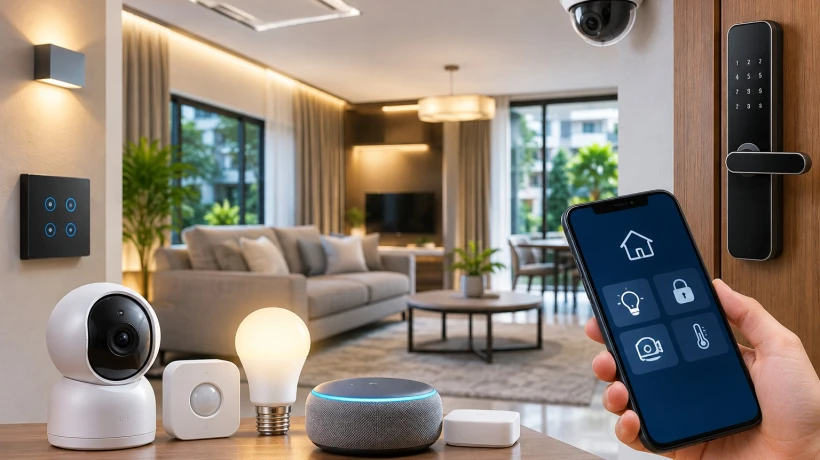
Plan a smart home setup that suits your lifestyle with tips to choose connected devices for better comfort, security and everyday convenience.
Planning a smart home setup starts with understanding your daily routines, then choosing devices that solve real problems — not just add novelty. Identify which areas of your home benefit most from automation, select devices that work on a unified platform, and build incrementally. A practical plan balances convenience, energy efficiency, and ease of use without overwhelming your space or budget.
Whether you are a new homeowner in Singapore fitting out your BTO flat or upgrading a resale property, working with a trusted smart home company in Singapore can help you avoid costly mistakes and ensure your devices work together from day one.
Start With Your Lifestyle, Not the Technology
Most people make the mistake of buying smart devices first and asking questions later. The result? A smart bulb here, a robot vacuum there, and nothing that actually talks to each other.
Before you purchase a single device, ask yourself:
-
What are my biggest daily frustrations at home?
-
Which tasks feel repetitive or inefficient?
-
Do I want remote access, voice control, or scheduled automation?
-
How many people live in the home, and what are their tech comfort levels?
A young professional working long hours may prioritise smart security and automated lighting. A family with children may focus on safety sensors and air quality monitoring. Retirees might value simple voice control and health-integrated devices. Your lifestyle drives the brief — technology fills it.
Map Your Home Zone by Zone
Once you understand your needs, break your home into functional zones. This gives your planning structure and helps you avoid over-automating rooms that do not need it.
Living Room
This is usually the starting point for most home automation systems. Smart lighting with adjustable colour temperature, motorised curtains or blinds, and a connected entertainment setup (TV, soundbar, streaming) are common priorities. Scene-setting — where one command dims the lights, closes the curtains, and turns on the TV — is one of the most satisfying features you can implement.
Bedroom
Focus on comfort and sleep quality. Smart air conditioning control, automated blackout blinds, and wake-up lighting scenes can meaningfully improve how you start and end your day. Integrating your air conditioner with a smart thermostat or IR controller is a popular and cost-effective entry point for home automation in Singapore's climate.
Kitchen and Utility Areas
Smart plugs with energy monitoring, connected washing machine alerts, and even water leak sensors fall into this zone. These are often overlooked but deliver strong practical value.
Entrance and Security
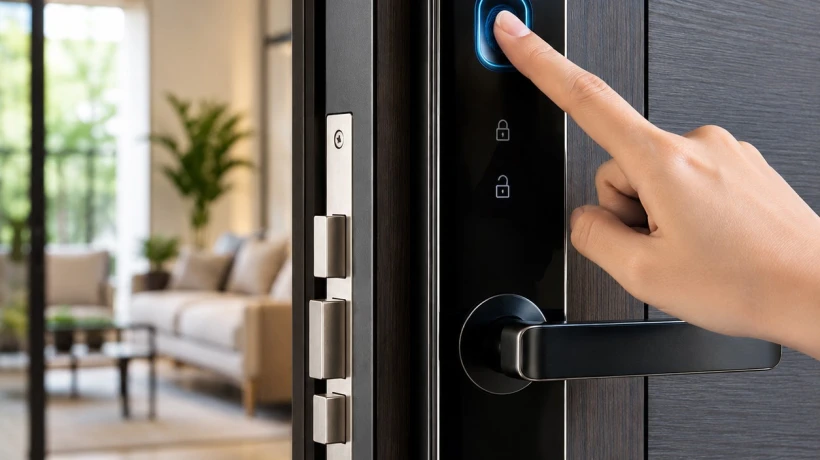
Smart door locks, video doorbells, and motion-triggered cameras address security and convenience simultaneously. In Singapore, digital door locks have become a standard feature in both new and resale HDB flats and condominiums.
Choose Devices That Work Together
Compatibility is the most underestimated part of planning a smart home. Singapore homeowners frequently end up with smart home devices spread across multiple apps and platforms — none of which communicate with each other.
Before buying any device, check whether it supports one of these major interoperability standards:
-
Matter — a newer, universal standard supported by Apple, Google, Amazon, and Samsung
-
Zigbee or Z-Wave — reliable mesh network protocols for local control without cloud dependency
-
Wi-Fi based ecosystems — Google Home, Amazon Alexa, Apple HomeKit, or Samsung SmartThings
Picking one primary ecosystem and ensuring all your devices are compatible with it will save you enormous frustration. For most Singapore households, Google Home or Apple HomeKit are the most common anchor platforms, with voice assistants already in widespread use.
Build a Smart Home in Phases, Not All at Once
Even if budget is not a constraint, rolling out your entire smart home solutions in Singapore at once creates unnecessary complexity. A phased approach is smarter.
Phase 1 — Foundation (Months 1–3): Smart lighting, door lock, and a central hub or voice assistant. These form the backbone of everything else.
Phase 2 — Comfort and Climate (Months 3–6): Smart air conditioning control, motorised blinds or curtains, and smart plugs for key appliances. This phase directly reduces energy consumption.
Phase 3 — Security and Monitoring (Months 6–12): Video doorbells, indoor or outdoor cameras, motion sensors, and water or smoke detectors. By this point, your ecosystem is established, and adding sensors is straightforward.
According to the Singapore Green Plan 2030 and national smart nation initiatives, energy efficiency in residential homes is a growing priority. Smart home automation systems — particularly smart air conditioning and lighting — directly support household energy reduction targets.
Smart Home Planning: What to Avoid
Knowing what not to do is just as important as knowing best practices.
-
Do not mix incompatible ecosystems without a bridge device or hub that unifies them
-
Do not buy based on price alone — cheap devices often lack firmware support and drop off after a year
-
Do not skip professional installation for wiring-dependent devices like smart switches or in-wall dimmers
-
Do not automate for the sake of it — if manual is faster and simpler, leave it manual
-
Do not forget your Wi-Fi infrastructure — a mesh network is essential for a reliable smart home in larger apartments or landed properties
How to Choose a Smart Home Company in Singapore
Getting the planning right is easier when you work with the right partner. A capable smart home company in Singapore will assess your space, understand your routines, recommend compatible devices, and handle the integration professionally.
Look for a provider that offers:
-
A consultative approach — not just a product catalogue
-
End-to-end installation and after-sales support
-
Experience with both HDB and private residential projects
-
Partnerships with established brands across lighting, security, and climate control
Smart Living Gallery offers exactly this — a curated showroom experience in Singapore where homeowners can see, test, and customise smart home solutions before committing. Rather than guessing how devices will work in your home, you experience them firsthand in a live environment designed to reflect real living spaces.
FAQ
What is the best way to start planning a smart home setup?
Begin by identifying the daily tasks or pain points in your home that automation could solve. Map out your priority zones — living room, bedroom, entrance — then choose devices that fit a single compatible ecosystem before making any purchases.
How much does a smart home setup cost in Singapore?
Costs vary widely based on the scope of automation. A basic setup covering lighting and a smart lock may start from a few hundred dollars, while a fully integrated system across an entire home can range into the thousands. Working with a professional ensures better value.
Do smart home devices work without the internet?
Some devices using Zigbee or Z-Wave protocols operate on a local network and function without internet access. However, most Wi-Fi based smart home devices rely on cloud connectivity for remote access and voice assistant integration.
What smart home devices are most popular in Singapore?
Digital door locks, smart air conditioning controllers, automated lighting, and video doorbells are among the most widely adopted smart home devices in Singapore, driven by HDB living conditions and the country's warm, humid climate.

Comments
Login to Comment