How to Plan a Commercial Storefront Glass Installation
02 Sep, 2026
215 Views 0 Like(s)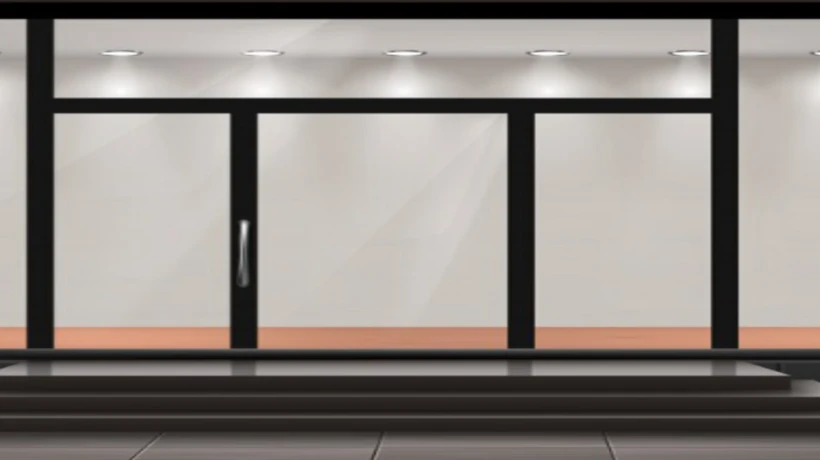
Sunrise Glass Company provides expert mirror installation, custom shower doors, and glass solutions for remodels and new construction in Northern Colorado.
When you plan a new business space or update an existing one, storefront glass is one aspect of the project that deserves careful consideration. It affects how people enter the building, what they can see from outside, and how the space gets used each day.
You do not need to know every glass type or installation detail before starting. What matters is knowing your business needs and discussing them with a glass professional. Good planning can also help you avoid changes once fabrication has started.
Here are seven things you should consider before your commercial storefront glass installation begins.
Key Steps to Planning a Commercial Storefront Glass Project
1. Start With How You Will Use the Space
Before you choose glass, think about how you use your storefront. A retail store may want customers to see products through the front windows. An office may need more privacy. A restaurant may want plenty of natural light while still controlling views into certain areas.
Ask yourself a few simple questions:
-
How much visibility do you need?
-
Will customers use the entrance often?
-
Do you need privacy in some areas?
-
How much daylight do you want inside?
-
Will the storefront include glass doors?
-
Are you replacing an existing system?
Your answers will help you decide what to discuss with your installer. It is better to start with how the space works than to choose glass based only on its appearance.
2. Choose the Glass Based on the Application
Different glass types suit different needs. Tempered glass offers added strength, while laminated glass can help hold pieces together if broken.
Insulated or tinted glass may be useful for temperature, glare, sunlight, or privacy concerns. Choose based on your storefront, building needs, and how the space will be used.
3. Get Precise Measurements Before Fabrication
Accurate measurements are key to a smooth storefront project. Glass panels and doors must fit properly, and the existing frame may also need to be checked during a replacement.
A professional site visit can catch issues that drawings may miss. Proper measurements also help the fabrication team create components that fit the space correctly.
4. Plan the Frames, Doors, and Hardware Together
Your storefront is more than the glass panels. Frames, doors, locks, handles, hinges, and other hardware all need to work together.
Think about how many people will use the entrance each day. A busy shop may have different needs from a small office that receives fewer visitors.
You should also consider whether you are installing a completely new storefront or working with an existing frame. Matching the current system may matter if you are replacing only damaged glass.
Discuss door swings, hardware, frame condition, and other details before ordering the glass. Making these decisions early can reduce the chance of changes during installation.
5. Check Safety and Local Building Requirements
Safety should be considered from the start. Commercial glass requirements can vary based on its size, location, and use. Some projects may require safety glazing or specific materials.
Building codes can also affect your choices. Ask your glass contractor about the requirements for your project and check local rules when needed. This is especially important during a new construction or renovation project.
6. Think About Sunlight, Glare, and Indoor Comfort
Large glass areas can bring more daylight into your business, but direct sunlight can also create glare or increase heat inside the space. The effect depends on factors such as the storefront's direction, the building, and the local climate.
Think about when the sun reaches the front of your building. If certain areas receive strong sunlight during the day, ask about glass options that may help address glare or heat.
You may want to discuss tinted glass, coatings, or insulated glass with your installer. The best choice depends on your building and what you want the space to feel like during normal business hours.
7. Plan the Installation Around Your Business
Plan the storefront work around your business hours and other project tasks. Ask your installer about the timeline and what needs to be done first.
A typical process includes:
-
Site consultation
-
Glass and frame selection
-
Measurements
-
Fabrication
-
Installation
-
Final inspection
Sunrise Glass Company follows a similar process, from consultation and measurement to fabrication, installation, and final review. Planning ahead also helps coordinate other work, such as flooring, painting, and electrical work.
Summary
Planning a commercial storefront glass installation starts with understanding how you will use the space. From there, you can review glass types, measurements, frames, doors, hardware, safety requirements, sunlight exposure, and the installation schedule.
You do not have to make every decision on your own. A glass professional can inspect the space, explain your options, and point out details that may affect the project.
If you are planning a commercial glass project in Northern Colorado, Sunrise Glass Company provides commercial storefront glass services for businesses and contractors. Its services include consultation, custom measurements, glass and framing options, fabrication, installation, and project review.
The more you plan before fabrication begins, the easier it is to ensure your storefront fits the way you need to run your business.



Comments
Login to Comment