How to Choose the Right Workwear in Perth for Every Industry
20 Aug, 2026
578 Views 0 Like(s)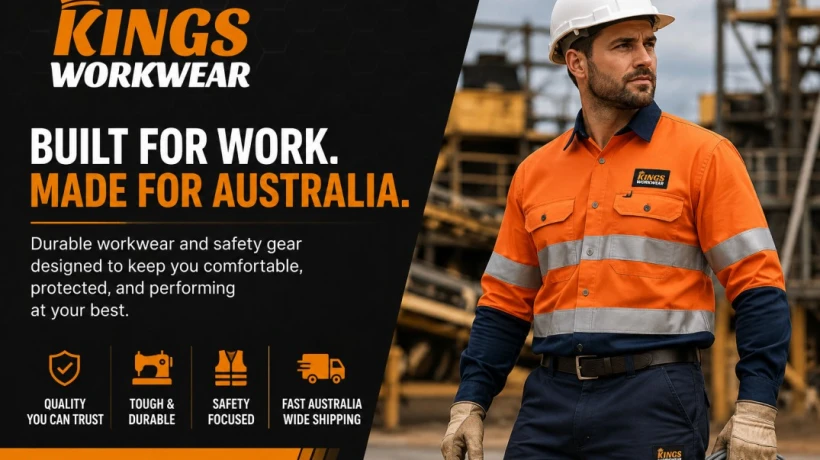
The right workwear makes a real difference to comfort, safety and confidence across a working day. But no single outfit suits every job. A builder, a warehouse hand, a landscaper and a chef all need different clothing because their tasks and environments are different.
When you compare workwear Perth options, look past appearance and price. Think about the conditions you work in, how much you move, what you carry, and whether your site has uniform or visibility rules. A little planning helps you build a work wardrobe that actually holds up day to day.
Start With What Your Industry Demands
The first step is understanding what your job asks of your clothing. An outdoor worker may need lightweight shirts for heat, layers for cool mornings, and garments that move freely. A warehouse worker may prioritise durable pants and supportive footwear, while a customer-facing tradesperson may also want a tidy, consistent look.
Before you buy, ask yourself:
-
Do I work mainly indoors or outdoors?
-
Is my workplace hot, cold, wet or dusty?
-
Do I kneel, climb, bend or lift regularly?
-
Do I need high visibility?
-
Will I carry tools in my clothing?
-
Does my employer set uniform requirements?
-
How often will each item be worn and washed?
These practical questions matter far more than simply picking the most popular style.
Construction and Trade Workwear
Trade workers need clothing that copes with constant movement and hard conditions. Work pants should let you bend, kneel and climb without restriction, and practical pockets help when you're carrying pencils, phones or small tools all day.
Shirts matter too. Depending on the season, workers may prefer lightweight short sleeves, long sleeves for coverage, or layers. Durability is key — clothing worn five or six days a week sees far more stress than casual wear, so fabric, stitching and fit all deserve attention. Rather than buying on price alone, think about how the garment performs after repeated use and washing.
Choosing High-Visibility Workwear
Some sites require workers to stay clearly visible around vehicles, machinery and other hazards. Where hi-vis is required, choose the garment to suit both the environment and your workplace's rules.
Workers comparing hi vis workwear Perth ranges will find shirts, polos, jackets, hoodies, vests and work pants. The right pick depends on:
-
Indoor or outdoor work
-
Day or night shifts
-
Weather and temperature
-
Required coverage and layering
-
Site policies
A lightweight hi-vis top suits warm days, while cooler weather calls for a hi-vis jacket or hoodie. Comfort still counts — an uncomfortable high-visibility garment becomes a real distraction across an eight- or ten-hour shift, especially for workers constantly on the move.
Workwear for Warehousing and Logistics
Warehouse and logistics roles mean long hours standing, walking, lifting and moving stock, so clothing should support mobility without extra bulk. Flexible work pants or shorts work well depending on conditions, and breathable shirts make long shifts easier.
Footwear deserves as much thought as clothing. If you're on your feet all day, prioritise fit, support and site requirements over looks. And because these roles often shift between indoor aisles, loading docks and the yard, layering helps as conditions change through the day.
Landscaping and Outdoor Work
Landscapers and gardeners face changing weather year-round. In warmer months, lightweight, breathable clothing keeps workers comfortable, and long sleeves can add useful sun coverage. In cooler conditions, layering gives flexibility — start with an extra layer and shed it as the day warms up.
Outdoor workers should also weigh how well garments handle dirt, movement and frequent washing. Reinforced pants and durable fabrics offer better value for jobs involving kneeling, carrying and rough surfaces.
Hospitality and Service Industries
Workwear isn't only for industrial sites. Hospitality staff may need shirts, chef clothing, aprons, pants and suitable footwear. Here, presentation matters because employees deal directly with customers — but comfort is just as important, since kitchen and service staff spend hours on their feet. Businesses fitting out a team should plan for consistency across sizes and roles, so everyone looks coordinated while still being dressed for the job.
Consider Trusted Workwear Brands
Brand shouldn't be your only deciding factor, but established manufacturers make it easier to compare products built for Australian conditions. People researching bisley workwear Perth, for instance, can weigh up shirts, pants and jackets on the merits of their trade rather than the label alone.
When comparing brands, look at:
-
Fabric type and garment weight
-
Pocket placement
-
Fit and sizing
-
Reinforced areas
-
Seasonal suitability and ease of care
The best garment is the one that suits the worker and the task.
Get the Fit Right
Even quality workwear disappoints when the fit is wrong. Too tight restricts movement; too loose feels bulky and gets in the way. With work pants, check the waist, leg length and room through the knees and thighs. With shirts and jackets, consider shoulder movement and whether you'll layer underneath. If you're kitting out several employees, offering a good size range improves comfort and consistency.
Build a Practical Workwear Wardrobe
You don't need a huge number of garments — a well-planned selection beats buying items at random. A solid base might include everyday shirts or polos, work pants or shorts, appropriate footwear, a warm outer layer, wet-weather gear where needed, and hi-vis garments when required. Plan enough rotation to cover regular washing without running short.
Don't Choose on Price Alone
Budget matters, especially across a whole team, but the lowest upfront price rarely means the best value. Weigh how often the garment will be worn, whether it suits the job, and how it feels over a full shift. A well-fitting garment built for the environment almost always outlasts a cheap one bought purely to save money.
Final Thoughts
Choosing workwear gets easier when you start with the job, not the garment. Consider your conditions, daily movements, weather exposure, visibility needs and wash frequency. Construction teams lean on durability and storage, warehouse workers on mobility, outdoor crews on adaptable layers, and hospitality teams on presentation and comfort. Focus on what your industry actually demands, and you'll build a practical workwear wardrobe that supports the working day instead of getting in the way.



Comments
Login to Comment