How to Choose the Right Wardrobe Design for Your Bedroom
12 Aug, 2026
684 Views 0 Like(s)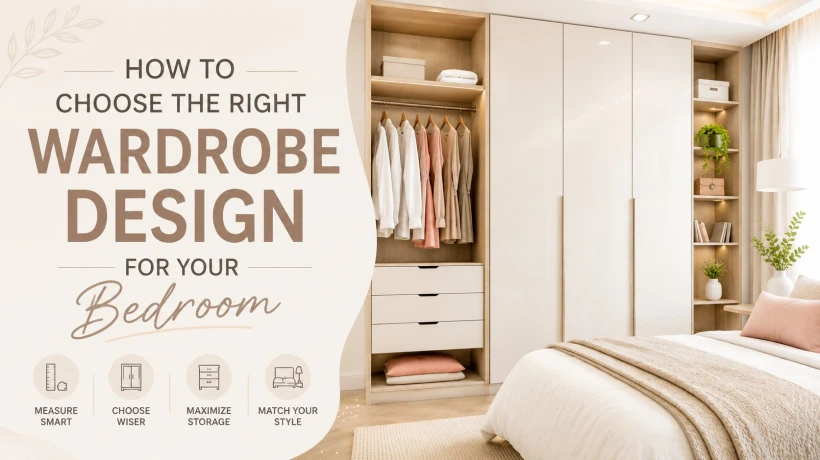
Choosing the right wardrobe design can transform your bedroom into a more organized and comfortable space. From built-in and sliding wardrobes to practical storage layouts and modern finishes, discover how to select a wardrobe that fits your room, storage needs, and interior style.
Choosing the right wardrobe design is an important part of planning a functional bedroom. A wardrobe should provide enough storage without making the room feel crowded. Its size, door style, materials, internal layout, and finish should also work with the rest of the interior.
From built-in wardrobes and sliding doors to walk-in storage, homeowners have several options. The right choice depends on the bedroom size, storage requirements, lifestyle, and overall design. It is also useful to consider how the wardrobe works with other elements of the home, including the main door design.
1. Measure the Bedroom Before Choosing a Wardrobe
The first step is to measure the available space accurately. Measure the wall where the wardrobe will be installed, along with the ceiling height and the floor area in front of it.
Pay attention to:
- Window and bedroom door positions
- Space around the bed
- Electrical switches and sockets
- Air-conditioning units and vents
- Door opening and walking clearance
Proper measurements make it easier to choose a wardrobe that fits comfortably without restricting movement.
2. Determine Your Storage Requirements
The right wardrobe is based on what you actually need to store. Before choosing a design, make a list of your everyday and seasonal storage requirements.
Think about space for:
- Shirts, trousers, and dresses
- Jackets and coats
- Folded clothing
- Shoes
- Handbags and accessories
- Bedding
- Seasonal items
This will help you decide how much hanging, shelving, and drawer space is required.
3. Choose the Right Wardrobe Type
Built-In Wardrobe
Built-in wardrobes are fixed into the available wall space and can be planned around the dimensions of the room. They are suitable when you want to use the available height and width efficiently.
Freestanding Wardrobe
Freestanding wardrobes offer flexibility because they can be moved or replaced. They can be useful when you expect the bedroom layout to change in the future.
Walk-In Wardrobe
A walk-in wardrobe provides a dedicated storage area and can include hanging sections, drawers, shelves, shoe storage, and dressing space. This option works best when the bedroom has enough room for a separate storage area.
Sliding Door Wardrobe
Sliding wardrobes are useful for bedrooms where floor space is limited. Since the doors move sideways rather than opening outward, they require less clearance in front of the wardrobe.
Hinged Door Wardrobe
Hinged wardrobes use doors that open outward. They provide direct access to the wardrobe interior and can be a good option for bedrooms with sufficient clearance.
4. Select a Suitable Wardrobe Door Design
The door style affects both the appearance and usability of a wardrobe. Sliding and hinged doors are the two main options, but there are many finishes available.
Popular choices include:
- Matte panels
- Gloss surfaces
- Wood-look finishes
- Glass panels
- Mirrors
- Handleless doors
Mirrored doors can be useful in bedrooms where you want a dressing surface, while simple matte panels can suit minimalist interiors.
5. Match the Wardrobe With the Bedroom Style
The wardrobe should complement the existing bedroom rather than appearing visually disconnected.
For a modern bedroom, clean lines, simple panels, and neutral shades can create a balanced look. Wood-inspired finishes can add warmth, while darker tones can create a stronger visual contrast.
You can also coordinate the wardrobe with other elements across the home. Repeating similar materials, tones, or design details can create consistency between bedroom storage, furniture, wall finishes, and the main door design.
6. Choose Practical Materials and Finishes
The material you choose affects appearance, maintenance, durability, and cost. Common wardrobe materials include MDF, engineered boards, laminate, veneer, glass, and mirror.
Consider the amount of daily use before selecting a finish. A busy family bedroom may benefit from easy-to-clean surfaces, while a guest bedroom may allow more decorative choices.
The finish should also fit the overall design theme of the room rather than being selected independently.
7. Plan the Internal Wardrobe Layout
A well-organized wardrobe makes daily routines easier. Instead of using one large storage compartment, divide the interior into sections based on the type of items you own.
A practical layout can include:
- Upper shelves for seasonal belongings
- Hanging sections for dresses and coats
- Smaller hanging areas for shirts and trousers
- Drawers for smaller clothing
- Shelves for folded garments
- Dedicated shoe compartments
- Storage for bags and accessories
Frequently used belongings should be placed where they are easy to reach, while less frequently used items can be stored higher up.
8. Choose a Design Based on Bedroom Size
Wardrobe Design for Small Bedrooms
Small bedrooms require careful space planning. Sliding doors can reduce the clearance needed in front of the wardrobe, while built-in units can make better use of vertical wall space.
Light finishes and full-height storage can also help maintain a clean and less crowded appearance.
Wardrobe Design for Large Bedrooms
Larger bedrooms provide more flexibility. You can consider wider wardrobes, additional drawers, dressing sections, or a separate walk-in wardrobe.
However, more storage does not always mean better design. The wardrobe should remain proportional to the bedroom and leave enough space for comfortable movement.
9. Consider Lighting and Accessibility
Good lighting can improve the usability of a wardrobe, especially in deep storage areas. LED strips, internal lights, and sensor-activated lighting can make it easier to locate clothing and accessories.
Accessibility also matters. Items that are used daily should be placed at convenient heights, while higher shelves can be reserved for seasonal or less frequently used belongings.
10. Set a Realistic Budget
Your wardrobe budget should account for more than the cabinet itself. Consider the size, materials, finishes, doors, handles, internal accessories, lighting, and installation.
It is usually more useful to prioritize functional features such as good storage organization, durable materials, and appropriate door mechanisms rather than spending the entire budget on decorative details.
Wardrobe Design Comparison: Which Option Is Right for You?
| Wardrobe Type | Best For | Space Requirement | Main Advantage |
|---|---|---|---|
| Built-In | Most bedrooms | Medium | Makes efficient use of wall space |
| Sliding | Small bedrooms | Low front clearance | Saves floor space |
| Hinged | Larger bedrooms | More clearance | Provides direct access |
| Freestanding | Flexible layouts | Medium | Can be moved easily |
| Walk-In | Large bedrooms | High | Provides extensive storage |
Common Wardrobe Design Mistakes to Avoid
Choosing a wardrobe without measuring the room is one of the most common mistakes. A wardrobe may look suitable in a showroom but become difficult to use when installed in a smaller bedroom.
Other mistakes include not allowing enough door clearance, creating too little hanging space, using too many shelves, and ignoring the internal layout.
It is also important to think about maintenance before choosing a finish. A design that looks attractive but requires frequent cleaning may not be practical for everyday use.
Conclusion
The right wardrobe design should suit the bedroom, not simply fill available space. Start by measuring the room, understanding your storage needs, and selecting a wardrobe type that works with the layout. Then consider the door style, materials, internal organization, lighting, and budget.
A well-planned wardrobe can improve both storage and everyday convenience while fitting naturally into the overall interior. Pine Tree Lane can help homeowners plan wardrobe solutions that work alongside other interior elements, including bedroom furniture, wall finishes, and the main door design.
FAQs About Wardrobe Design
What is the best wardrobe design for a small bedroom?
Sliding-door and built-in wardrobes are often practical for small bedrooms because they use available wall space efficiently and reduce the clearance needed in front of the wardrobe.
Are sliding wardrobes better than hinged wardrobes?
The better option depends on the room. Sliding wardrobes are useful when floor space is limited, while hinged wardrobes can provide wider access to individual sections.
How deep should a bedroom wardrobe be?
Wardrobe depth depends on the type of clothing being stored, the internal arrangement, and the available bedroom space. It should provide enough room for storage without making the room difficult to move around.
Is a built-in wardrobe a good investment?
A built-in wardrobe can be a practical choice when you want storage that fits the dimensions of the bedroom and uses wall space efficiently.
Which materials are suitable for wardrobe design?
MDF, engineered boards, laminate, veneer, glass, and mirror are commonly used for wardrobes. The right choice depends on durability, appearance, maintenance requirements, and budget.
How should I organize the inside of a wardrobe?
Start by separating hanging clothes, folded clothing, accessories, shoes, and seasonal belongings. Use shelves, drawers, hanging sections, and dedicated compartments according to your storage habits.



Comments
Login to Comment