7 Non-Surgical Ways to Relieve Chronic Back and Joint Pain
27 Oct, 2026
6 Views 0 Like(s)
Healthcare
Living with chronic back or joint pain can affect sleep, work, and the simple things you enjoy every day. Surgery is not the only answer. Many people find meaningful relief through gentler, evidence-informed approaches that fit their routines. Each option can be adjusted as your needs change. This guide walks through seven practical options worth discussing with your healthcare provider before you decide on a long-term plan.
Understanding Why Chronic Pain Persists
Chronic pain lasts beyond normal healing time, often past three months. Residents exploring Seaford DE pain management services learn that lasting relief comes from addressing underlying causes, not only masking symptoms, so a thorough evaluation is a smart first step.
Back and joint pain often stems from arthritis, muscle strain, nerve irritation, or years of repetitive stress. Identifying the source helps your provider choose treatments that fit your specific condition, lifestyle, and comfort level, which improves your chances of steady progress.
Seven Practical Options for Lasting Relief
Non-surgical care is usually layered. Most people combine several approaches and adjust them over time as symptoms change. Below are seven options that many patients and providers consider when building a plan, along with practical points to keep in mind.
Physical Therapy and Guided Exercise
Physical therapists design exercise programs that strengthen supporting muscles, improve flexibility, and restore movement. Stronger muscles take pressure off painful joints and the spine, which can reduce flare-ups and help you stay active with greater confidence over time.
Sessions often include stretching, balance work, and manual techniques. Consistency matters most, so practicing your home exercises between visits usually leads to noticeably better results than relying on appointments alone, even when you only have ten minutes a day.
Anti-Inflammatory Medications
Over-the-counter and prescription anti-inflammatory medications can calm swelling and ease stiffness, especially in arthritis-related pain. They work best when used exactly as directed and for the shortest effective period, since more is not always better for most people.
Because long-term use can affect the stomach, kidneys, and blood pressure, talk with your provider before starting. Topical gels and creams often offer a gentler option for localized joint discomfort, and your provider can suggest the right product and dose.
Massage Therapy
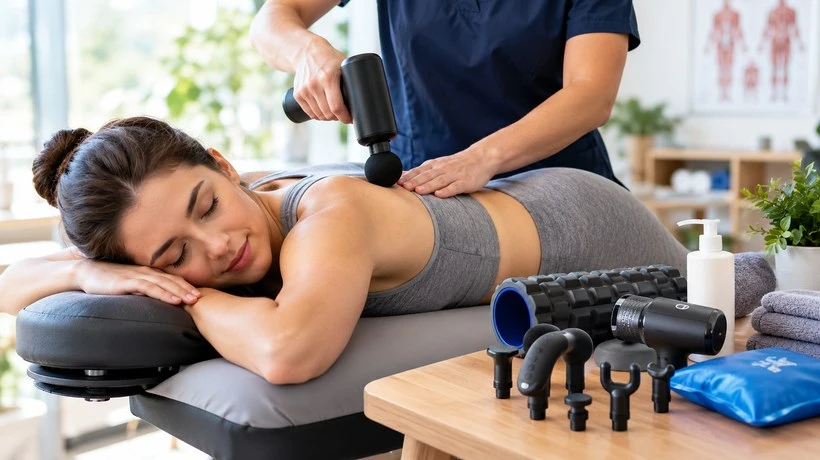
Massage uses hands-on techniques to relax tight muscles, improve circulation, and reduce tension around sore areas. Many people notice better mobility and less stiffness after a series of regular sessions, along with a calmer mood and easier sleep.
It is not a cure for the underlying condition, but it can make daily movement easier. Share your pain history with the therapist so pressure and technique match your needs, and speak up if anything feels uncomfortable during the session.
Acupuncture
Acupuncture involves placing very thin needles at specific points on the body. Research suggests it may help with chronic low back pain and knee osteoarthritis, possibly by influencing nerve signals and encouraging the body’s natural pain-relieving responses.
Sessions are usually brief and well tolerated, though mild soreness or bruising can occur. Choose a licensed practitioner and let your primary provider know, so your overall care stays coordinated and your treatments work well together safely.
Nutrition and Weight Management
Extra body weight adds stress to the spine, hips, and knees. Even modest weight loss can lower pressure on these joints and often leads to meaningful improvements in pain, mobility, and energy throughout the day, along with better daily comfort.
Diets rich in vegetables, fish, nuts, and whole grains may help limit inflammation. A dietitian can build a realistic meal plan and suggest supplements if you have deficiencies, such as vitamin D, that affect bone health.
Behavioral and Mind-Body Therapy
Pain involves both the body and the brain, which is why mental health support matters. Cognitive behavioral therapy teaches skills to manage stress, change unhelpful thought patterns, and reduce the way pain interferes with your work, relationships, and daily life.
Relaxation breathing, meditation, and gentle practices like yoga or tai chi can calm the nervous system. Many people find these tools improve sleep, mood, and their confidence in staying active, even on difficult days when symptoms flare up.
Injections and PRP Therapy
Targeted injections, such as corticosteroids or nerve blocks, can reduce inflammation and interrupt pain signals in specific areas. They are typically used when simpler measures have not provided enough relief, and effects vary from person to person.
Platelet-rich plasma therapy uses concentrated platelets from your own blood to support tissue healing. Evidence is still developing, so ask your provider directly whether it suits your condition, goals, budget, and expectations before moving forward.
Final Thoughts
Chronic back and joint pain rarely has a single fix, but you have more non-surgical options than you may realize. Combining movement, healthy habits, and professional guidance often works best. Clinics such as Alphacare Medical emphasize individualized plans, so start by discussing your symptoms, history, and goals with a qualified provider and build a practical long-term strategy you can sustain. Small, steady steps add up.


Comments
Login to Comment