How to Choose the Right Sofa Size for Your Living Room
08 Sep, 2026
6 Views 0 Like(s)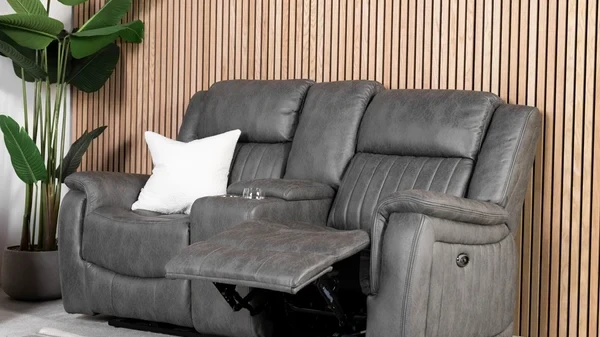
Understanding your available space and considering how you use your living room can make it easier to select the right seating.
Choosing a new sofa is an important decision because it can influence both the comfort and layout of your living room. While colour and upholstery often receive the most attention, getting the size right is equally important. A sofa that is too large can make a room feel cramped, while one that is too small may leave the space looking unfinished.
Fortunately, understanding your available space and considering how you use your living room can make it easier to select the right seating.
Start With the Room Dimensions
The first step is to measure the area where your sofa will be positioned. Record the available width and depth, but also consider the position of doors, windows, radiators and other furniture.
Remember that the sofa's listed dimensions may not tell the entire story. Wide arms, deep cushions and reclining mechanisms can all affect the amount of usable space required.
It is also important to measure doorways, hallways and staircases leading to the room. A sofa may fit perfectly once inside but still be difficult to deliver if access points are too narrow.
Consider How Many People Need to Sit
Think about your household and how the sofa will normally be used. If several people regularly relax together, choosing a larger seating option can make the room considerably more comfortable.
A 3 seater sofa can be an excellent choice for families or households that want generous seating without moving to a much larger corner design. It can provide enough room for several people while retaining a relatively straightforward shape that works with a variety of room layouts.
Three-seater sofas can also be paired with armchairs or footstools when additional seating is occasionally required. This approach provides flexibility without permanently filling the room with large pieces of furniture.
Don't Assume Small Rooms Need Tiny Furniture
One common mistake when furnishing a compact living room is choosing furniture that is too small. While reducing the size of every item may seem logical, several undersized pieces can sometimes make the room feel disconnected.
Instead, focus on selecting furniture with proportions that suit the room. A well-positioned sofa can provide a strong focal point while leaving enough open floor space around it.
The shape of the furniture is also important. Sofas with streamlined arms and sensible depths can provide comfortable seating without occupying unnecessary floor space.
Consider Corner Sofas for Flexible Layouts
Corner sofas can make particularly effective use of available floor space because they provide seating along two sides. They can be useful in open-plan living rooms, family spaces and rooms where creating a defined seating area is desirable.
If your room is compact, small corner sofas can offer the benefits of a corner layout without requiring the footprint of a particularly large sectional.
A smaller corner sofa can sit neatly against two walls, leaving more central floor space available. Alternatively, it can help divide an open-plan room into a dedicated lounge area without requiring additional furniture or partitions.
Think About the Sofa's Orientation
The direction your sofa faces can have a major impact on how the room feels. In a television-focused living room, you may want the seating positioned directly opposite the screen. In a social space, arranging seating around a coffee table can encourage conversation.
Corner sofas can provide natural separation between different areas, while straight sofas offer greater flexibility when you want to change your layout.
Before purchasing, consider several possible arrangements. A simple floor plan or a few pieces of masking tape can help you visualise how the sofa will affect the room.
Pay Attention to Comfort
Size should never come at the expense of comfort. A sofa needs to provide enough seat depth and support for the people who will use it regularly.
If you prefer sitting upright, a shallower seat may be more suitable. Those who enjoy stretching out or lounging may prefer deeper cushions.
The height of the back and arms can also influence comfort. Whenever possible, sit on a sofa before purchasing and consider how well it supports your usual sitting position.
Match the Sofa to Your Existing Furniture
Your new sofa should work with the furniture you already own unless you are completely redesigning the room.
Consider the size of your coffee table, television unit, armchairs and storage furniture. Leaving suitable gaps between pieces will help the room feel balanced and make movement easier.
Colour and material should also complement the wider interior. Neutral upholstery can provide flexibility, while a stronger colour or distinctive texture can create a statement feature.
Think About Future Changes
Your furniture needs may change over time. A household may grow, a room may be redecorated or furniture may eventually need to be rearranged.
Choosing a versatile sofa can therefore be beneficial. Straight three-seater designs can often be repositioned relatively easily, while compact corner sofas can provide a defined seating arrangement without overwhelming the room.
If you expect to move home in the future, consider whether the sofa will work in different room layouts as well.
Make the Most of Your Living Room
The right sofa should provide comfortable seating while fitting naturally into the available space. By measuring carefully, considering your household's needs and thinking about how the room is used, you can avoid many common furniture-buying mistakes.
Whether you choose a spacious three-seater or a compact corner design, focus on proportion, comfort and practicality rather than size alone. A thoughtfully chosen sofa can make a living room feel more comfortable, organised and welcoming while giving you the flexibility to enjoy the space every day.

Comments
Login to Comment