How to Choose the Right Sofa for a Comfortable Living Room
10 Aug, 2026
700 Views 0 Like(s)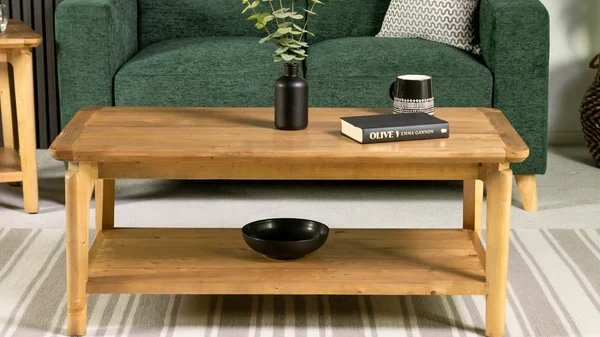
A good sofa needs to suit the room, provide sufficient comfort and fit naturally into the way the space is used.
The sofa is often the centre of the living room. It provides a place to relax, socialise and spend time with family, so choosing the right one involves much more than selecting a colour or style.
A good sofa needs to suit the room, provide sufficient comfort and fit naturally into the way the space is used.
With so many styles and features available, taking a few practical considerations into account can make the decision much easier.
Start With the Room
Before looking at sofa styles, measure the room.
Consider the width of the wall where the sofa will sit, but also measure the available depth. A large sofa may fit across a wall but leave insufficient space for movement.
Doors, windows, fireplaces and radiators can also influence placement.
It is useful to mark the approximate sofa dimensions on the floor with masking tape. This gives you a much better sense of how much space the furniture will occupy.
Think About Seating Requirements
Consider how many people normally use the living room.
A couple may only need a compact two- or three-seater sofa, while a larger household may require more seating.
If you regularly entertain guests, you may want to combine a sofa with armchairs or additional occasional seating rather than simply choosing the largest sofa available.
The aim is to create enough seating while retaining comfortable movement around the room.
Consider Reclining Functionality
For households where relaxation is a priority, reclining furniture can provide an additional level of comfort.
Power reclining sofas allow users to adjust their seating position, making them particularly useful for watching television, reading or relaxing after a long day.
Before choosing a reclining sofa, check the amount of space required when the seats are fully extended. The mechanism may require additional clearance behind or in front of the sofa.
This is particularly important in smaller living rooms.
Choose the Right Seat Depth
Seat depth can have a major effect on comfort.
Deep sofas can provide a relaxed, lounge-style experience, while shallower seats may make it easier to sit upright.
Think about who will use the sofa most often. Taller people may prefer deeper seating, while shorter users may find a shallower seat more comfortable.
If possible, try the sofa in person before purchasing.
Consider the Upholstery
The upholstery affects both appearance and practicality.
Fabric sofas can offer a wide variety of colours and textures, while leather creates a distinctive look and can be relatively easy to maintain.
The right choice depends on your household.
If the sofa receives heavy daily use, consider how easy the upholstery will be to clean and maintain.
Choose a Style That Will Last
Trends can be useful for inspiration, but a sofa is generally a long-term purchase.
Consider whether you will still enjoy the shape and colour several years from now.
Neutral upholstery can provide flexibility because cushions, throws and accessories can be changed relatively easily.
If you prefer a bolder sofa, consider how it will work with the rest of your interior.
Think About the Sofa's Shape
Different sofa shapes suit different rooms.
Straight sofas can work well in traditional layouts, while corner designs can make efficient use of larger spaces.
Modular furniture can offer additional flexibility because sections can sometimes be rearranged.
Consider how the sofa will interact with other furniture rather than focusing solely on its appearance.
Don't Forget the Coffee Table
The sofa should be considered alongside the rest of the seating arrangement.
A coffee table should be appropriately sized and positioned so that people can reach it comfortably without blocking movement.
Leave enough space between the sofa and table for people to walk through and sit down easily.
The table should also complement the proportions of the sofa.
Consider Delivery Before Buying
Large sofas can be difficult to move into a property.
Measure doorways, hallways, staircases and lifts before ordering. If the sofa has a particularly deep or wide frame, check whether it can be manoeuvred through tight spaces.
This is especially important for larger reclining or corner sofas.
Think About Long-Term Comfort
A sofa may look excellent when new, but comfort is what determines whether you enjoy using it every day.
Consider the cushioning, back support, armrest height and seat depth.
Think about your typical evening. If you spend several hours relaxing on the sofa, small comfort differences can become significant.
Create a Balanced Living Room
The sofa is important, but it should not dominate every other element in the room.
Balance it with appropriately sized chairs, a coffee table, lighting and storage.
If the sofa is large, choose simpler furniture elsewhere to maintain a sense of space.
Choosing With Confidence
Finding the right sofa requires a combination of practical and aesthetic decisions.
Start by measuring the room, determine your seating requirements and think about how the sofa will be used. Consider upholstery, seat depth, shape and additional features such as reclining mechanisms.
Most importantly, choose comfort alongside style.
A well-chosen sofa should feel natural within the room and remain comfortable through everyday use. When the size, design and functionality all work together, the sofa can become the foundation for a welcoming living space.


Comments
Login to Comment