How to Choose the Right Dining Table Size for Your Home
09 Sep, 2026
7 Views 0 Like(s)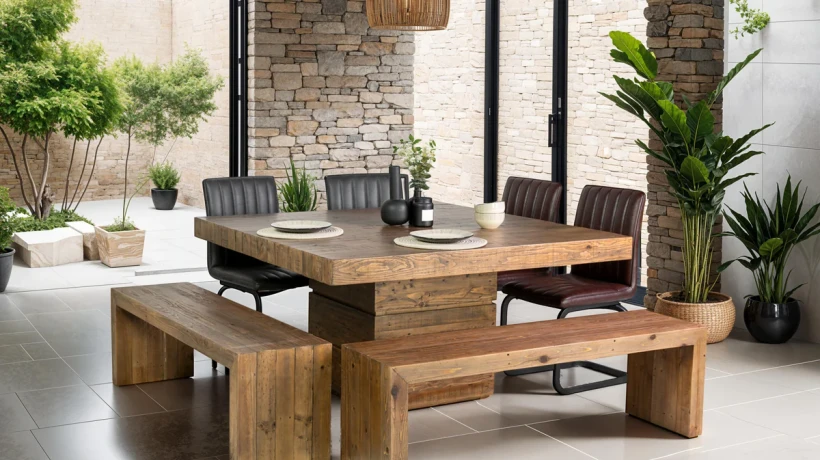
With dining areas becoming increasingly multifunctional, many homeowners are looking for furniture that combines generous seating capacity with practical proportions. Whether you have a dedicated dining room, an open-plan kitchen or a compact dining area, understanding how different table sizes work can help you make a more informed decision.
Choosing the right dining table size can have a surprisingly large impact on how comfortable and practical your dining space feels. A table that is too large can restrict movement and make a room feel crowded, while one that is too small may not provide enough space for everyday meals or entertaining.
With dining areas becoming increasingly multifunctional, many homeowners are looking for furniture that combines generous seating capacity with practical proportions. Whether you have a dedicated dining room, an open-plan kitchen or a compact dining area, understanding how different table sizes work can help you make a more informed decision.
Start by Measuring the Room
The first step is to measure your dining area before choosing a table. Look at both the width and length of the available space and consider where the table will be positioned.
The tabletop is not the only space you need to account for. Chairs must be pulled out from underneath the table, while people need enough room to walk behind seated diners. Around 90cm of clearance is a useful general target where space allows, although the exact amount will depend on the layout.
Also consider nearby doors, kitchen cabinets, radiators, sideboards and other furniture. If the dining area forms part of an open-plan room, make sure the table does not obstruct the main routes through the space.
A simple way to visualise the footprint is to mark the proposed table dimensions on the floor with masking tape.
Is an 180cm Dining Table Right for You?
An 180cm dining table can be an excellent choice for households that need generous dining space.
A table of this length provides considerably more tabletop area than a compact four-person design. Depending on its width, leg configuration and the size of the chairs, it can accommodate a larger household comfortably and provide additional space when entertaining.
The extra surface area can also be useful when serving meals. Rather than placing serving dishes on a separate sideboard or trying to fit everything into the centre of a smaller table, a larger tabletop can give you more flexibility.
However, an 180cm table needs a suitably sized room. Before purchasing, check the complete footprint of the table alongside the seating you intend to use.
An extending design can make a particularly practical choice if you like the capacity of a larger table but do not want to use its full size every day.
The Advantages of a 160cm Dining Table
If 180cm feels too large for your room, a 160cm dining table can provide a useful middle ground.
A 160cm table offers more dining space than many compact tables while maintaining a relatively manageable footprint. This makes it suitable for a variety of dining rooms and open-plan layouts.
For a family, it can provide enough room for everyday meals without requiring an exceptionally large room. It can also work well for entertaining a few additional guests, particularly when combined with an efficient seating arrangement.
The difference between 160cm and 180cm may appear relatively small on paper, but those extra 20cm can influence how easily furniture fits around the table. If your dining area is close to the limits of what can comfortably accommodate a larger table, measuring carefully is essential.
Think About the Shape of Your Dining Room
Table length is only one factor to consider. The shape of the room should also influence your choice.
A long rectangular dining area may naturally suit a rectangular table, allowing the furniture to follow the proportions of the room. In a more open-plan setting, a longer table can help visually define the dining zone.
If your room is relatively compact or square, you may need to consider how the table interacts with surrounding furniture. The aim should be to create a layout where diners can sit comfortably without making movement difficult.
The position of the table legs is another detail worth checking. Legs positioned towards the corners may affect where chairs can be placed, while alternative base designs can sometimes provide more flexibility.
Consider Your Seating Arrangement
The number and style of seats you use can significantly affect how much space your dining area requires.
Traditional dining chairs provide individual seating and can offer excellent comfort, particularly when upholstered. Dining benches, meanwhile, can make more efficient use of the long sides of a rectangular table.
A bench can also be pushed underneath the tabletop when not required, helping to maintain a cleaner appearance and free up some floor space.
If you regularly entertain, consider how easily additional chairs can be added around the table. An extending table can provide another layer of flexibility, allowing you to increase the available seating area only when necessary.
Everyday Use Versus Entertaining
Think about how you use your dining table most of the time.
If your household usually consists of a small number of people but you regularly host larger gatherings, an extending table could be more practical than permanently having a very large tabletop.
On the other hand, if the table is used daily by a larger family, an 180cm or 160cm design may provide the space you need without relying on an extension mechanism.
Also consider whether the table is used for activities beyond eating. Dining tables often become places for homework, working from home, hobbies and family activities. Additional tabletop space can therefore be valuable even outside mealtimes.
Choose a Style That Complements Your Interior
Once you have established the appropriate dimensions, consider the table's material, finish and overall design.
Wooden dining tables can add warmth and natural character to a room, while contemporary finishes can create a cleaner and more modern appearance. The chairs, lighting and surrounding furniture can then be used to reinforce the style.
The table does not have to match every other item in the room exactly. Combining complementary finishes can create a more individual and considered interior.
Finding the Right Balance
Ultimately, choosing between a 160cm and 180cm dining table comes down to balancing available space with your everyday seating requirements.
A 160cm table can offer generous dining space while remaining relatively versatile for different room sizes. An 180cm table is better suited to larger dining areas where additional tabletop and seating capacity are priorities.
Whichever size you choose, careful measuring should come first. Consider the table at its full dimensions, account for the seating and leave enough room for comfortable movement.
A dining table should make the room more useful, not make it harder to navigate. By choosing a size that works with both your space and lifestyle, you can create a dining area that feels comfortable, welcoming and practical for years to come.



Comments
Login to Comment