How to Choose the Best Non Alcoholic Champagne
28 Jul, 2026
822 Views 0 Like(s)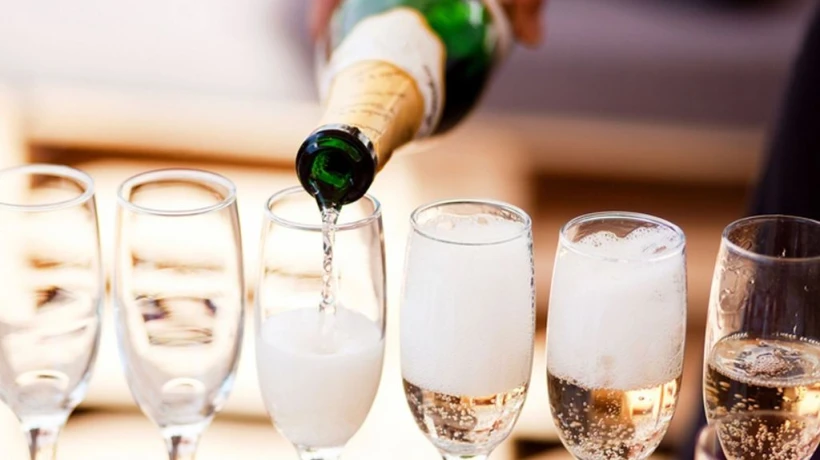
Choosing the right bottle for a celebration can feel overwhelming, especially with so many alcohol-free options available today.
Choosing the right bottle for a celebration can feel overwhelming, especially with so many alcohol-free options available today. If you're looking for a festive drink that delivers elegant bubbles and refined flavor, knowing what to look for can make all the difference.
This guide explains the key factors to consider before buying, from ingredients and sweetness levels to production methods and food pairings.
How to Choose the Best Non Alcoholic Champagne
Celebrations are no longer limited to traditional sparkling wines with alcohol. Whether you're avoiding alcohol for health reasons, personal preference, pregnancy, or simply embracing a balanced lifestyle, alcohol-free sparkling beverages have become more sophisticated than ever. The market now offers premium bottles with complex aromas, crisp acidity, and lively bubbles that rival many traditional sparkling wines.
Finding the perfect non alcoholic champagne isn't just about choosing the most expensive bottle. It's about understanding what creates quality, how different styles taste, and which option best suits your occasion. With a little knowledge, you can confidently select a sparkling drink that everyone will enjoy.
Understand What Makes Alcohol-Free Sparkling Wine Different
Before purchasing, it's important to understand how these beverages are made. Most premium alcohol-free sparkling wines begin as traditional wines. Winemakers ferment grapes just as they would for regular sparkling wine before gently removing the alcohol through specialized techniques such as vacuum distillation or spinning cone technology.
This process preserves much of the original aroma while creating a beverage with little or no alcohol. The result is a sparkling drink that retains fruity notes, refreshing acidity, and celebratory bubbles.
Some products are grape-based sparkling juices rather than dealcoholized wine. While these can be enjoyable, they generally taste sweeter and lack the complexity of wines produced through traditional winemaking methods.
Check the Ingredients
One of the easiest ways to judge quality is by reading the label.
Look for products made primarily from:
· Premium wine grapes
· Natural grape juice
· Minimal added sugar
· Natural flavors
· Balanced acidity
Avoid products with excessive artificial sweeteners, unnecessary preservatives, or heavy flavoring that masks the grape character.
Consumers seeking cleaner ingredients often look for sulfite free wine alternatives. While not every sparkling beverage can be completely sulfite-free, many brands now offer lower-sulfite or naturally produced options that appeal to ingredient-conscious buyers.
Consider the Sweetness Level
Sparkling wines come in various sweetness styles, and alcohol-free versions follow the same pattern.
Common sweetness categories include:
Brut
Brut styles are dry, crisp, and refreshing. They pair well with seafood, appetizers, and cheeses.
Extra Dry
Despite the name, Extra Dry contains slightly more sweetness than Brut, making it approachable for many drinkers.
Demi-Sec
These sparkling beverages are noticeably sweeter and work well with desserts or fruit platters.
If you're purchasing for a group, Brut is usually the safest choice because it complements a wide variety of foods.
Look at the Production Method
Production methods have a significant impact on quality.
Premium sparkling wines often use:
· Traditional fermentation
· Secondary fermentation
· Gentle alcohol removal
· Quality grape varieties
Cheaper alternatives may simply carbonate grape juice, producing larger bubbles and a less refined mouthfeel.
When comparing bottles, researching how the producer makes its sparkling wine can reveal a lot about the final product.
Pay Attention to Grape Varieties
The grapes used greatly influence aroma and flavor.
Popular varieties include:
· Chardonnay
· Pinot Noir
· Pinot Meunier
· Chenin Blanc
· Riesling
Chardonnay typically contributes crisp citrus and green apple flavors, while Pinot Noir adds body and subtle berry characteristics.
Understanding grape varieties helps you predict the style before opening the bottle.
Evaluate the Aroma
A quality sparkling beverage should offer inviting aromas before the first sip.
Look for notes such as:
· Green apple
· Pear
· Citrus
· White peach
· Floral hints
· Toast
· Brioche
· Almond
Complex aromas usually indicate careful production and higher-quality grapes.
The finest non alcoholic champagne selections deliver layered aromas instead of tasting simply like sparkling grape juice.
Check the Bubble Quality
Bubbles matter more than many people realize.
Fine, persistent bubbles create a smoother drinking experience and improve texture.
Large bubbles often disappear quickly and may indicate lower-quality carbonation.
Premium sparkling wines typically produce elegant streams of tiny bubbles that last throughout the glass.
Match the Bottle to the Occasion
Different celebrations call for different sparkling styles.
For weddings, anniversaries, and formal dinners, choose elegant dry sparkling wines.
For brunches or afternoon gatherings, fruit-forward styles can be more approachable.
Holiday meals often pair well with crisp sparkling wines that refresh the palate between rich dishes.
Having more than one style available ensures guests can choose according to their taste preferences.
Food Pairing Matters
Sparkling beverages are remarkably versatile at the table.
Excellent pairings include:
· Soft cheeses
· Oysters
· Shrimp cocktails
· Sushi
· Roasted chicken
· Fresh salads
· Light pasta dishes
· Fruit desserts
The acidity and bubbles help cleanse the palate, making sparkling drinks enjoyable throughout an entire meal.
Read Customer Reviews
Reviews provide valuable insights beyond marketing descriptions.
Look for comments about:
· Authentic wine flavor
· Balanced sweetness
· Long-lasting bubbles
· Natural aroma
· Overall finish
Repeated praise from experienced wine drinkers often signals a reliable purchase.
Consider Your Dietary Preferences
Many shoppers now look beyond taste alone.
Depending on your needs, consider whether the beverage is:
· Vegan
· Organic
· Low sugar
· Gluten free
· Made from sustainably grown grapes
Some consumers also prioritize sulfite free wine options because they prefer products with fewer additives.
Although availability varies by region, more wineries are expanding their clean-label selections each year.
Price Doesn't Always Mean Better
Premium bottles often deliver better complexity, but higher prices don't automatically guarantee superior taste.
Many mid-range sparkling wines offer excellent value thanks to improved alcohol-removal technology and experienced winemakers.
Comparing tasting notes, production methods, and customer feedback is often more useful than judging solely by price.
Store It Properly
Once you've chosen your bottle, proper storage helps preserve freshness.
Keep sparkling wine:
· In a cool place
· Away from sunlight
· Upright if recommended by the producer
Refrigerated before serving
Serving temperature also affects flavor. Most sparkling wines taste best when chilled between 40°F and 45°F (4°C–7°C).
Avoid freezing, as this can dull aromas and affect carbonation.
Don't Forget Presentation
Presentation enhances the celebration.
Serve your sparkling beverage in:
· Flutes for elegant bubbles
· Tulip-shaped glasses for better aromas
· Clean glassware without detergent residue
Garnishes are usually unnecessary because quality sparkling wines naturally showcase their aromas.
If desired, fresh berries or a twist of citrus can add a festive touch without overwhelming the drink.
Finding Your Favorite Style
Everyone's palate is different, so don't hesitate to sample several brands before settling on a favorite.
Some people enjoy crisp mineral-driven wines, while others prefer fruit-forward sparkling styles with gentle sweetness.
Keeping notes after each tasting can help identify the characteristics you enjoy most, making future purchases easier.
For shoppers seeking fewer additives, exploring sulfite free wine collections may also introduce new producers that focus on natural winemaking techniques and cleaner ingredient lists.
Final Thoughts
Choosing the right non alcoholic champagne comes down to understanding quality, production methods, sweetness, grape varieties, and your personal taste preferences. A thoughtfully selected bottle can elevate birthdays, weddings, family dinners, holiday gatherings, and everyday celebrations without compromising flavor or sophistication.
Rather than selecting the first bottle you see, take a few moments to read the label, research the producer, and consider the occasion. By paying attention to these details, you'll enjoy a sparkling beverage with refined bubbles, balanced flavor, and a memorable finish that everyone at the table can appreciate.

Comments
Login to Comment