How to Choose the Best Lead-Free Stabilizer for PVC
23 Jun, 2026
1235 Views 0 Like(s)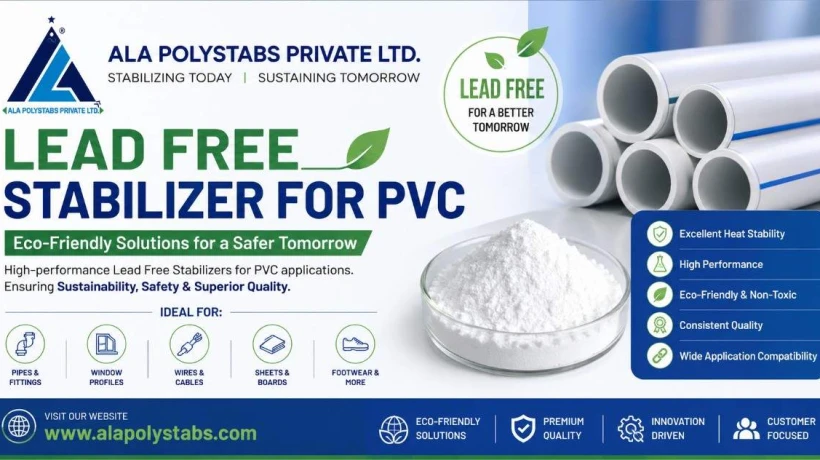
lead free stabilizer for pvc
PVC is one of the most widely used materials in industries such as construction, electrical, automotive, packaging, and healthcare. Its durability, flexibility, and cost-effectiveness make it a preferred choice for manufacturing a wide range of products. However, the quality and performance of PVC products depend heavily on the stabilizers used during production. Today, manufacturers are increasingly shifting toward a lead free stabilizer for PVC to meet environmental standards and improve product safety.
Choosing the right stabilizer is essential for ensuring the long-term performance and reliability of PVC products. In this article, we will discuss the key factors to consider when selecting the best lead-free stabilizer for PVC applications.
Understanding Lead-Free Stabilizers
PVC materials require stabilizers to protect them from heat degradation during processing and usage. Traditionally, lead-based stabilizers were commonly used due to their effectiveness and affordability. However, growing environmental concerns and stricter regulations have encouraged industries to adopt safer alternatives.
A lead free stabilizer for PVC is designed to provide thermal stability without the harmful effects associated with lead compounds. These stabilizers are generally based on calcium-zinc, barium-zinc, or other environmentally friendly formulations that offer excellent performance while complying with global safety standards.
Evaluate the Application Requirements
The first step in selecting the right stabilizer is understanding the specific application. Different PVC products have different performance requirements. For example:
-
PVC pipes require excellent heat stability and durability.
-
Electrical cables need strong insulation properties.
-
Window profiles demand weather resistance and long-term color retention.
-
Medical products require high safety standards and non-toxic materials.
By identifying the intended application, manufacturers can choose a lead free stabilizer for PVC that delivers the desired performance characteristics.
Consider Thermal Stability Performance
One of the primary functions of a PVC stabilizer is to protect the material from heat during processing. High processing temperatures can cause PVC degradation, leading to discoloration and reduced product quality.
When comparing stabilizers, it is important to evaluate their thermal stability performance. A high-quality lead-free stabilizer should provide:
-
Consistent heat resistance
-
Improved processing efficiency
-
Reduced material degradation
-
Better product appearance
Selecting a stabilizer with strong thermal stability helps manufacturers maintain product quality while minimizing production losses.
Check Compatibility with PVC Formulations
Every PVC formulation contains different additives, fillers, lubricants, and processing aids. Therefore, compatibility is a crucial factor when selecting a stabilizer.
A suitable stabilizer should blend smoothly with existing formulations and support efficient processing. Poor compatibility can result in uneven product quality, processing difficulties, and increased production costs.
Before making a final decision, manufacturers should conduct testing to ensure that the selected lead free stabilizer for PVC works effectively with their specific formulation.
Assess Weather and UV Resistance
Many PVC products are exposed to outdoor environments where sunlight, moisture, and temperature fluctuations can affect performance. For applications such as pipes, window profiles, and construction materials, weather resistance becomes extremely important.
A reliable lead-free stabilizer should help maintain:
-
Color consistency
-
Mechanical strength
-
Surface quality
-
Long-term durability
Products with strong UV and weather resistance generally have a longer service life and require less maintenance.
Focus on Regulatory Compliance
Environmental and safety regulations continue to evolve across global markets. Manufacturers must ensure that their PVC products comply with applicable standards and restrictions regarding hazardous substances.
Using a lead free stabilizer for PVC helps companies meet important environmental requirements while improving consumer confidence. Compliance with international regulations also opens opportunities for exporting products to various global markets.
Always verify that the stabilizer supplier provides the necessary certifications and technical documentation.
Evaluate Processing Efficiency
Production efficiency plays a major role in manufacturing profitability. An effective stabilizer should not only protect PVC but also support smooth processing operations.
Benefits of a well-designed stabilizer include:
-
Faster production cycles
-
Reduced machine downtime
-
Better surface finish
-
Lower rejection rates
These advantages can significantly improve operational efficiency and reduce overall manufacturing costs.
Partner with a Trusted Supplier
The quality of the stabilizer supplier is just as important as the product itself. Working with an experienced manufacturer ensures consistent product quality, technical support, and reliable supply.
Companies like Ala Polystabs focus on developing advanced PVC additive solutions that help manufacturers achieve better performance while meeting modern environmental standards. A trusted supplier can also assist with product selection, formulation optimization, and technical troubleshooting.
Compare Cost and Long-Term Value
While price is an important consideration, manufacturers should focus on overall value rather than selecting the cheapest option. A lower-cost stabilizer may lead to quality issues, increased wastage, or shorter product life.
A high-performance lead free stabilizer for PVC can provide better durability, improved processing efficiency, and reduced maintenance costs. These long-term benefits often outweigh the initial investment and contribute to higher profitability.
Conclusion
Selecting the right lead free stabilizer for PVC is a critical decision that directly impacts product quality, processing efficiency, and regulatory compliance. Manufacturers should carefully evaluate application requirements, thermal stability, compatibility, weather resistance, and supplier reliability before making a choice.
As industries continue moving toward safer and more sustainable materials, lead-free stabilizers have become an essential part of modern PVC manufacturing. By partnering with trusted suppliers such as Ala Polystabs and choosing high-quality formulations, businesses can produce durable, environmentally responsible PVC products that meet the demands of today's market.
Comments
Login to Comment