How the Refugee Protection Division Handles Your Claim
14 Sep, 2026
9 Views 0 Like(s)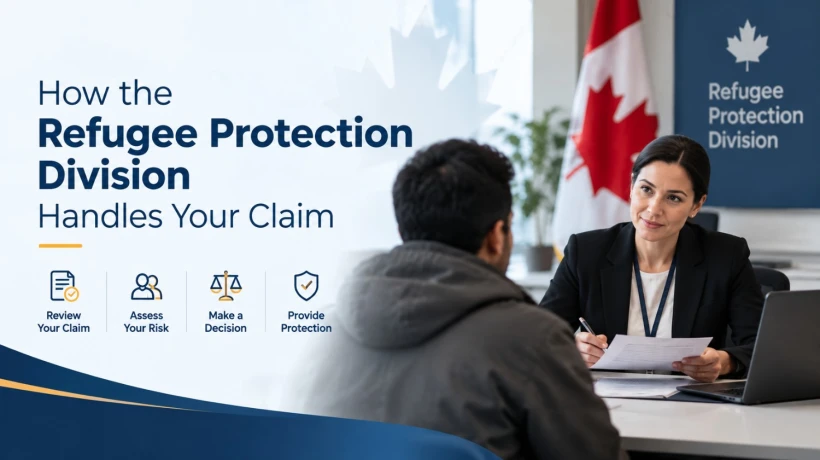
Learn how the Refugee Protection Division handles refugee claims in Canada, including the BOC form, evidence, hearings, decisions, and legal help.
Seeking refugee protection in Canada can be stressful, particularly when you are unsure about what happens after submitting a claim. Understanding the process, required documents, hearing, evidence, and possible decisions can help you prepare more effectively.
The Refugee Protection Division (RPD) is part of the Immigration and Refugee Board of Canada (IRB). It is responsible for deciding eligible refugee protection claims made by people who are already in Canada or who make a claim at a Canadian port of entry. The decision-maker considers the claimant's personal circumstances, testimony, documents, and relevant country-condition information before deciding whether protection should be granted.
If you are preparing a refugee claim, working with an experienced Immigration Lawyer can also help you understand your legal options and organize your case.
What Is the Refugee Protection Division?
The Refugee Protection Division is the tribunal division that decides refugee protection claims in Canada. A claimant generally must first pass the eligibility stage before the claim is referred to the RPD.
A refugee claim can generally be started at a Canadian airport, land border, or seaport, or from within Canada through the appropriate immigration process. Once an eligible claim is referred, the RPD examines whether the claimant meets the legal requirements for refugee protection.
Canada's refugee protection system is intended for people who may face persecution or serious harm if returned to their country of origin. Refugee protection is not simply another pathway for immigration, so a claimant must provide a genuine and legally supported reason for needing protection.
What Happens After You Make a Refugee Claim?
The process has several important stages. Missing a deadline or providing incomplete information can create serious problems.
For a claim made at a port of entry, a Canada Border Services Agency officer conducts an initial assessment and, when appropriate, refers the claim to the RPD. For an inland claim, the claimant generally begins the process through the Immigration, Refugees and Citizenship Canada online portal and attends the required appointment.
After referral, the claimant needs to prepare the Basis of Claim form and supporting evidence. The information provided at this stage is extremely important because it establishes the facts and circumstances on which the refugee claim is based.
Why the Basis of Claim Form Matters
The Basis of Claim (BOC) form gives the RPD detailed information about your identity, the person or circumstances you fear, the harm or persecution you experienced, and why you believe you cannot safely return to your country.
Your answers should be complete, accurate, and consistent. The RPD member can ask questions about information contained in the BOC form as well as information discussed during the hearing.
A common problem is waiting too long to prepare supporting documents. Start gathering relevant evidence as early as possible rather than waiting until your hearing date.
What Evidence Can Support a Refugee Claim?
Evidence can help demonstrate both your personal circumstances and conditions in your home country.
Depending on the circumstances, useful evidence may include identity documents, passports, medical records, police reports, threatening messages, photographs, employment records, court documents, news reports, witness statements, or other material relevant to the claim.
The RPD recognizes personal evidence and country-condition evidence. The IRB recommends collecting evidence as soon as possible, and its current guidance states that evidence should generally be received no later than 10 days before the hearing.
Evidence should support the facts of your case rather than simply provide general information about your country. A strong claim normally requires a clear connection between the evidence and the specific risk you say you face.
Preparing for the Refugee Hearing
The hearing is an important part of the refugee protection process. During the hearing, an RPD member reviews the claim, confirms the evidence, and asks questions about the claimant's circumstances.
You may be asked about your background, experiences, travel history, family circumstances, previous incidents, fears about returning home, and other details relevant to your protection claim. You are expected to answer truthfully and should ask for clarification if you do not understand a question.
An interpreter may be available when appropriate. If an interpreter helped with your BOC form, it is important to review the information carefully so that you understand what was submitted in your name.
How an Immigration Lawyer Can Help
A qualified Immigration Lawyer can provide valuable assistance before and during the refugee claim process. Legal representation may help you understand the requirements that apply to your circumstances, identify potential weaknesses, prepare supporting evidence, review your BOC form, and prepare you for questions that may arise at the hearing.
Professional legal assistance can be especially useful when a claim involves complicated facts, previous immigration proceedings, inconsistent documents, criminal or security concerns, or difficulty explaining past events.
However, legal representation does not guarantee a positive decision. The claimant remains responsible for providing truthful and complete information.
What Happens After the RPD Decision?
After considering the evidence and testimony, the RPD issues a decision. If the claim is accepted, the claimant becomes a protected person in Canada. The RPD provides a written Notice of Decision and reasons.
If the claim is rejected, there may be an opportunity to challenge the decision through the appropriate appeal or judicial review process, depending on the circumstances. The applicable deadlines can be short, so receiving legal advice promptly after a negative decision may be important.
Common Mistakes to Avoid
Several avoidable mistakes can make a refugee claim more difficult. These include providing inconsistent information, ignoring deadlines, failing to update contact information, submitting incomplete evidence, missing a hearing, or exaggerating facts.
Keeping your contact information current is particularly important because the RPD uses it to communicate hearing information and other important notices. Missing a hearing can lead to an abandonment process.
The safest approach is to provide honest information, preserve relevant documents, meet every deadline, and seek qualified legal advice when the circumstances are complicated.
Final Thoughts
Understanding the Refugee Protection Division process can make an unfamiliar legal procedure easier to navigate. From the initial eligibility assessment and Basis of Claim form to evidence collection, the refugee hearing, and the final decision, each stage can affect the outcome of your case.
If you are considering claiming asylum in Canada or have already received notice of an RPD hearing, consider obtaining advice from an experienced Immigration Lawyer who can review your circumstances and explain the legal options available to you. Because refugee law and procedural requirements can change, always confirm current requirements with official Canadian immigration authorities before taking action.



Comments
Login to Comment