How Slitter Blades Improve Precision in Industrial Cutting
24 Apr, 2026
1943 Views 0 Like(s)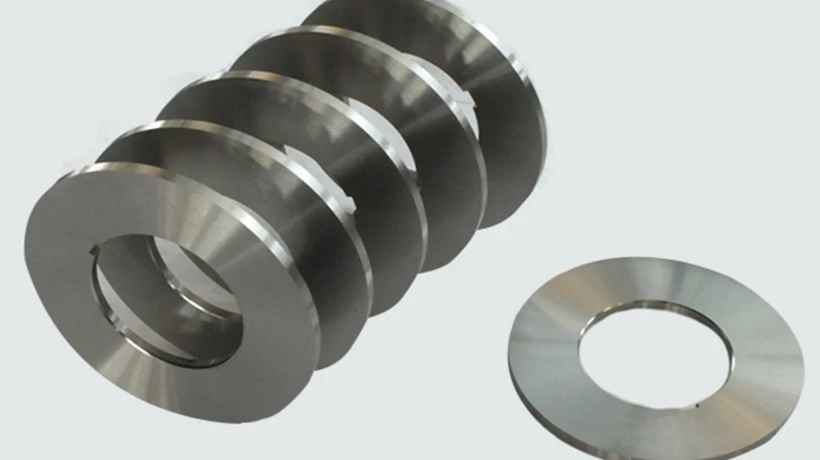
High-quality slitter blades ensure clean, precise cuts in industrial processes, improving efficiency, reducing waste, and enhancing overall product quality across various manufacturing applications.
Precision is the backbone of modern manufacturing. Whether working with metals, paper, plastics, textiles, or films, industries demand clean, accurate cuts to maintain product quality and operational efficiency. One of the most essential tools enabling this level of precision is the slitter blade. Though often overlooked, slitter blades play a critical role in ensuring consistent cutting performance across a wide range of industrial applications.
Understanding Slitter Blades
Slitter blades are specialized cutting tools used in slitting machines to cut large rolls of material into narrower strips. These blades are engineered for high-speed, continuous cutting operations where accuracy and consistency are essential.
They are commonly used in industries such as:
- Metal processing
- Paper and packaging
- Plastic and film manufacturing
- Textile production
- Foil and laminate converting
The precision of the final product largely depends on the quality and condition of the slitter blades being used.
The Role of Slitter Blades in Precision Cutting
1. Clean and Accurate Cuts
High-quality slitter blades are designed with sharp, uniform edges that ensure clean cuts without fraying, tearing, or deformation. This is particularly important in industries like packaging and electronics, where even minor imperfections can compromise the final product.
A precise cut reduces waste and ensures that each strip meets exact specifications, which is crucial for maintaining quality standards.
2. Consistent Performance at High Speeds
Industrial slitting processes often operate at high speeds. Slitter blades must maintain their sharpness and structural integrity even under intense pressure and friction.
Premium blades are manufactured using advanced materials and heat treatment processes that allow them to:
- Withstand wear and tear
- Maintain edge sharpness
- Deliver consistent cutting results over time
This consistency is key to achieving precision across large production volumes.
3. Reduced Material Deformation
Inferior cutting tools can cause material distortion, especially in thin or flexible materials like films and foils. Slitter blades with precise geometry minimize the force required for cutting, reducing the risk of bending or stretching the material.
This ensures that the final product retains its intended shape and dimensions.
4. Enhanced Edge Quality
Edge quality is a critical factor in many industries. Poor edge quality can lead to issues such as:
- Burr formation in metals
- Frayed edges in paper and textiles
- Uneven cuts in plastic films
High-performance slitter blades produce smooth, burr-free edges, enhancing both the appearance and functionality of the final product.
5. Tight Tolerance Control
Precision manufacturing requires adherence to strict tolerances. Slitter blades are engineered to deliver exact cuts with minimal deviation.
This is particularly important in sectors like automotive and electronics, where even slight variations can lead to assembly issues or product failure.
Key Factors That Influence Slitter Blade Precision
1. Blade Material
The material used to manufacture slitter blades plays a significant role in their performance. Common materials include:
- High-speed steel (HSS)
- Carbide
- Tool steel
Each material offers different levels of hardness, wear resistance, and durability. Choosing the right material ensures optimal performance for specific applications.
2. Blade Sharpness
A sharp blade requires less force to cut through material, resulting in cleaner edges and reduced stress on the machine. Regular sharpening and maintenance are essential to preserve cutting precision.
3. Blade Geometry
The design and angle of the blade edge influence how it interacts with the material. Proper blade geometry ensures efficient cutting and minimizes material damage.
4. Machine Setup
Even the best slitter blades cannot perform effectively if the machine setup is incorrect. Factors such as blade alignment, tension, and pressure must be carefully calibrated to achieve precise results.
5. Maintenance and Handling
Proper maintenance extends the life of slitter blades and ensures consistent performance. This includes:
- inspection
- Cleaning and lubrication
- Timely replacement
Neglecting maintenance can lead to dull blades, inconsistent cuts, and increased downtime.
Benefits of Using High-Quality Slitter Blades
Investing in high-quality slitter blades offers several advantages:
- Improved Product Quality: Clean and precise cuts enhance the overall quality of the finished product.
- Reduced Waste: Accurate cutting minimizes material loss, saving costs.
- Higher Efficiency: Consistent performance reduces machine downtime and increases productivity.
- Longer Tool Life: Durable blades require less frequent replacement, lowering operational costs.
- Enhanced Safety: Well-maintained blades reduce the risk of accidents and machine malfunctions.
Applications Across Industries
Metal Industry
Slitter blades are used to cut metal coils into narrower strips with high precision. This is essential for producing components used in construction, automotive, and electronics.
Paper and Packaging
In this sector, precision cutting ensures smooth edges and consistent dimensions for packaging materials, labels, and paper products.
Plastic and Film
Thin materials require extremely sharp blades to avoid tearing. Slitter blades provide the accuracy needed for high-quality film production.
Textile Industry
Clean cuts prevent fraying and ensure uniform fabric strips, which are crucial for garment manufacturing.
Tips for Maximizing Precision
To get the best results from slitter blades, consider the following tips:
- Choose the right blade material for your application
- Ensure proper machine alignment and setup
- Perform regular maintenance and sharpening
- Use blades from reputable manufacturers
- Monitor blade performance and replace when necessary
Conclusion
Slitter blades are a vital component in industrial cutting processes, directly influencing precision, efficiency, and product quality. By investing in high-quality blades and maintaining them properly, businesses can achieve consistent, accurate results while reducing waste and operational costs.
In a competitive manufacturing environment, precision is not just an advantage—it’s a necessity. Slitter blades, when selected and used correctly, provide the cutting-edge performance required to meet modern industry demands.



Comments
Login to Comment