How long does a PicoSure tattoo removal session take?
01 Oct, 2026
25 Views 0 Like(s)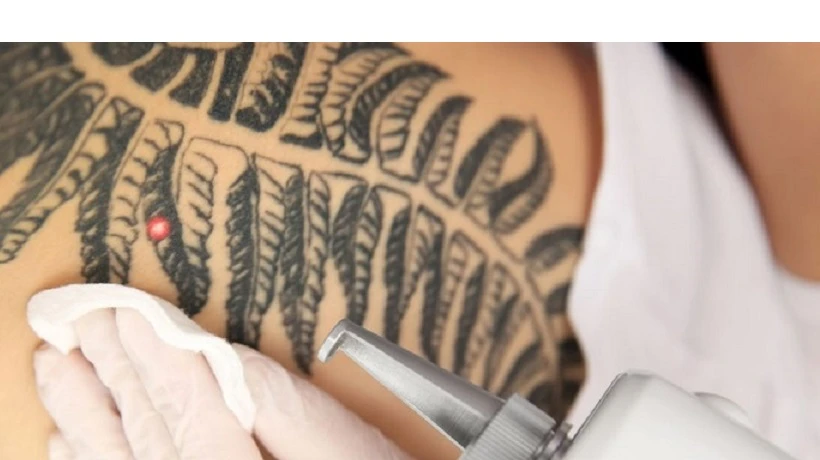
Learn how long a PicoSure tattoo removal session takes, including treatment duration, preparation, tattoo size, colors, comfort, and aftercare.
When asking How long does a PicoSure tattoo removal session take?, the answer depends mainly on the size, location, color, and density of the tattoo. An average-sized tattoo can often be treated in around 10 minutes, according to Cynosure, although larger or more complex tattoos may require more time. If you are researching إزالة الوشم بيكوشور في دبي, understanding what affects appointment length can help you plan your treatment more realistically.
What Is The Typical PicoSure Treatment Time?
The actual laser treatment can be relatively short. Cynosure states that treating an average-sized tattoo typically takes around 10 minutes, while larger tattoos can take longer.
The time should not be considered a fixed duration for every patient. A small tattoo may require only a few minutes of laser application, while a larger tattoo covering a substantial area may take considerably longer.
The number of tattoos being treated during the same appointment can also affect the total treatment time.
What Factors Affect PicoSure Session Duration?
Several factors can influence how long a PicoSure tattoo removal appointment takes.
Tattoo Size:
Tattoo size is one of the most important factors. A small symbol or lettering may be treated quickly, while a large tattoo requires more laser passes and therefore more treatment time.
Cynosure specifically notes that treatment duration increases depending on tattoo size.
Tattoo Color:
Tattoo color can also influence treatment planning. PicoSure systems may use different wavelengths for different pigments, so a multicolored tattoo may require a more customized approach.
Cynosure identifies 755 nm for black, blue, and green inks and optional 532 nm for red, yellow, and orange pigments. Some PicoSure systems also provide 1064 nm for selected black inks.
The presence of several colors does not necessarily mean the appointment will be extremely long, but it can make treatment more individualized.
Ink Density And Depth:
Dense tattoos or tattoos containing pigment at different depths may require additional laser passes or more careful treatment planning.
The American Academy of Dermatology recommends considering how deeply tattoo ink penetrates the skin when planning laser tattoo removal.
Tattoo Location:
The tattoo's location can affect how easily the practitioner can position the laser and treat the entire area.
Some locations may also have different skin characteristics or require more careful positioning. The AAD recommends considering tattoo location during the consultation.
Number Of Tattoos:
If several tattoos are being treated during one appointment, the overall appointment will naturally take longer than treating a single small tattoo.
Does The Whole Appointment Take Longer Than The Laser Treatment?
Yes. The actual laser application is only one part of the appointment.
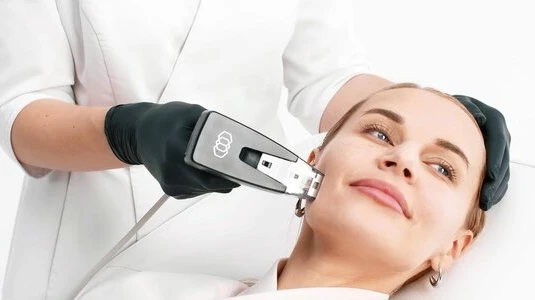
The practitioner may first examine the tattoo and surrounding skin, confirm the treatment settings, prepare the area, and provide eye protection. After the laser treatment, the skin may be examined and aftercare instructions provided.
Therefore, even if the laser itself takes approximately 10 minutes, the total time spent at the clinic can be longer.
Is Numbing Cream Used Before PicoSure?
Some patients may receive a topical anesthetic to improve comfort.
Cynosure states that topical anesthetic may be offered for tattoo-removal treatments, although it is not routinely required for every patient.
If numbing cream is used, additional time may be needed before the laser treatment begins. The amount of time required depends on the product and the provider's protocol.
This means that the overall appointment duration can be noticeably longer than the actual laser application.
Does A Larger Tattoo Need A Longer Session?
Generally, yes. A larger tattoo covers more skin and therefore requires more laser treatment.
Cynosure explains that an average-sized tattoo can take around 10 minutes, with longer treatment times for larger tattoos.
However, size is not the only consideration. A smaller tattoo with dense or complex pigmentation may require a different treatment approach from a larger tattoo with relatively simple pigment.
How Long Does PicoSure Take For Multiple Colors?
Multicolored tattoos can require customized treatment because different pigments respond to different wavelengths.
For example, PicoSure technology can use 755 nm for certain black, blue, and green inks and 532 nm for selected red, yellow, and orange pigments.
The practitioner may therefore treat different areas or colors according to the selected wavelength and settings.
The presence of multiple colors does not automatically determine the session length, but it can affect the complexity of the treatment.
What Happens After The Laser Treatment?
After the laser application, the practitioner may examine the treated area and provide aftercare instructions.
Temporary redness, swelling, or blistering can occur after laser tattoo removal. The American Academy of Dermatology explains that the skin needs time to heal between treatments and that the body gradually clears the fragmented tattoo ink.
Aftercare requirements can therefore add some time to the appointment, particularly if the treated area needs to be covered or protected.
Does Every PicoSure Session Take The Same Amount Of Time?
No. Session duration can change from one appointment to another.
As the tattoo becomes lighter, the amount and distribution of remaining pigment may change. The practitioner may also adjust the treatment approach according to how the skin responded to previous sessions.
Additionally, some appointments may involve a smaller treatment area if only part of a tattoo is being targeted.
How Many PicoSure Sessions Are Usually Needed?
Session duration and the number of sessions are separate considerations.
A short individual treatment does not mean that the tattoo will disappear after one appointment. Laser tattoo removal usually requires multiple sessions because the tattoo ink is deposited in layers and the body needs time to clear fragmented pigment between treatments.
The number of sessions depends on factors such as ink type, tattoo size, location, color, and individual response.
Can You Return To Normal Activities After Treatment?
PicoSure tattoo removal is generally performed as an outpatient laser procedure, but the treated skin needs appropriate care afterward.
The practitioner may recommend protecting the area from sun exposure and following specific instructions while the skin heals. The AAD emphasizes protecting treated skin from the sun and following professional aftercare guidance.
Whether you can immediately resume a particular activity depends on the treatment area, skin response, and instructions provided by your practitioner.
Frequently Asked Questions:
How long does a PicoSure tattoo removal session take?
An average-sized tattoo can often be treated in around 10 minutes, although larger tattoos may take longer.
Does a small tattoo take less time?
Usually. Smaller treatment areas generally require fewer laser passes and can therefore be treated more quickly.
Does tattoo color affect treatment time?
It can. Different colors may require different wavelengths and customized settings, which can affect treatment planning.
Does numbing cream increase appointment time?
Yes. If topical anesthetic is used, additional preparation time may be needed before the laser is applied.
Are multiple PicoSure sessions required?
Often. Tattoo removal is usually performed as a series of treatments because the body needs time to clear fragmented pigment and the skin needs time to heal.
Conclusion:
So, How long does a PicoSure tattoo removal session take? An average-sized tattoo can often be treated in approximately 10 minutes, but the actual appointment may take longer when consultation, preparation, numbing, and aftercare are included. Larger tattoos, multiple tattoos, dense pigmentation, complex designs, and multiple colors can affect treatment duration. The number of sessions required is also different from the length of each appointment. A professional assessment can provide a more accurate estimate based on the tattoo's size, colors, location, depth, and individual skin characteristics.
Comments
Login to Comment