How Long Do Gold Teeth Last With Proper Dental Care?
29 Oct, 2026
15 Views 0 Like(s)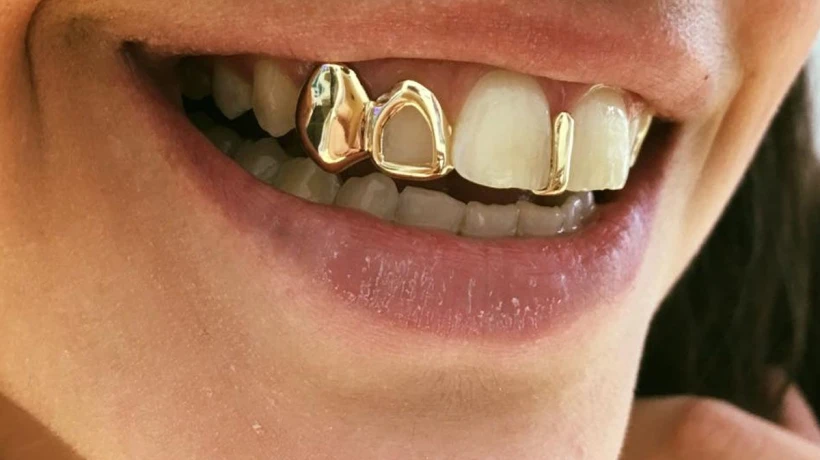
A dental professional can explain the advantages and limitations of each material to help you select an appropriate restoration.
Gold teeth have remained a popular dental option because of their durability, distinctive appearance, and ability to withstand everyday chewing. Whether you choose a gold crown to restore a damaged tooth or a gold dental restoration for its unique look, proper maintenance plays a major role in its lifespan. For people considering Gold Teeth in dubai, understanding how long these restorations last and what affects their durability can help them make an informed decision. With the right oral hygiene routine and regular dental checkups, gold teeth can remain functional and comfortable for many years.
How Long Do Gold Teeth Typically Last?
Gold dental restorations are known for their impressive longevity. Depending on the type of restoration, the quality of the materials, and the patient's oral hygiene habits, gold crowns can last for decades.
A well-made gold crown may last 15 to 30 years or even longer with proper care. Some restorations remain in excellent condition beyond this period, while others may need replacement sooner because of gum disease, tooth decay, or damage to the underlying tooth.
The lifespan of gold teeth depends on several important factors, including:
-
The quality and composition of the gold alloy.
-
The dentist's skill and the accuracy of the restoration.
-
Daily brushing and flossing habits.
-
Teeth grinding or clenching.
-
Regular dental examinations and professional cleaning.
Gold itself is highly resistant to corrosion and wear, making it a reliable material for dental restorations.
What Factors Affect the Lifespan of Gold Teeth?
Not every gold tooth lasts the same amount of time. Understanding the factors that influence durability can help you protect your investment and maintain a healthy smile.
Oral Hygiene and Gum Health
Good oral hygiene is essential for maintaining gold teeth. Although gold does not decay like natural tooth enamel, the natural tooth underneath a gold crown can still develop cavities. Plaque can also accumulate around the crown's edges, increasing the risk of gum inflammation.
Brush twice daily with fluoride toothpaste and clean between your teeth using dental floss or interdental brushes. Pay particular attention to the gumline surrounding the restoration.
Teeth Grinding and Clenching
Grinding or clenching your teeth, particularly during sleep, can place excessive pressure on dental restorations. Although gold is relatively flexible compared with some other dental materials, repeated pressure can eventually cause wear, damage, or problems with the underlying tooth.
If you grind your teeth, your dentist may recommend a custom-fitted night guard to reduce excessive forces and protect your restoration.
Quality of the Dental Restoration
The design, fit, and placement of a gold crown significantly affect how long it lasts. A properly fitted crown protects the underlying tooth and distributes chewing forces effectively.
An inaccurate fit may allow bacteria to collect around the margins or create uneven pressure when biting. Choosing a qualified dental professional and following their aftercare instructions can help reduce these risks.
How Can You Make Gold Teeth Last Longer?
Maintaining gold teeth does not require an unusually complicated routine. Consistent oral care and a few sensible habits can help extend their lifespan.
Follow a Daily Cleaning Routine
Brush your teeth gently twice a day using a soft-bristled toothbrush. Floss daily to remove food particles and plaque from areas that a toothbrush cannot reach.
Avoid aggressive brushing, as it can irritate your gums and contribute to gum recession. Keeping your gums healthy helps protect the natural tooth supporting the crown.
Avoid Damaging Habits
Gold crowns are durable, but they are not indestructible. Avoid biting hard objects, chewing ice, or using your teeth to open packaging. These habits can damage the restoration or the tooth underneath it.
If you have a habit of grinding your teeth, seek professional advice rather than waiting for visible damage to develop.
Schedule Regular Dental Checkups
Routine dental visits help identify small problems before they become serious. Your dentist can examine the crown, assess your gum health, and check for signs of decay or changes in the restoration's fit.
Professional cleanings also help control plaque and tartar buildup, supporting the long-term health of your teeth and gums.
When Should Gold Teeth Be Replaced?
Even a durable gold restoration may eventually require repair or replacement. Watch for warning signs such as persistent discomfort, sensitivity, swelling around the gums, a loose crown, or changes in your bite.
A crown that feels loose should be evaluated promptly because bacteria can enter the space beneath it and potentially damage the natural tooth. Never attempt to repair or permanently reattach a restoration yourself.
Your dentist will assess the condition of the crown and the underlying tooth before recommending whether repair, replacement, or another treatment is necessary.
Are Gold Teeth a Good Long-Term Choice?
Gold crowns can be an excellent option for people who prioritize durability and reliable function. Their resistance to corrosion and ability to withstand chewing forces make them particularly useful for certain back teeth.
However, they have a distinctive metallic appearance that may not suit everyone. Other materials, such as porcelain or zirconia, may offer a more natural-looking result. The most suitable choice depends on the tooth's location, your dental needs, and your aesthetic preferences.
A dental professional can explain the advantages and limitations of each material to help you select an appropriate restoration.
Final Thoughts
Gold teeth can last 15 to 30 years or longer when they are properly fitted and maintained. However, their longevity depends on consistent oral hygiene, healthy gums, careful eating habits, and regular dental checkups. Although gold is highly durable, protecting the natural tooth underneath the restoration remains essential.
If you are considering gold dental restorations, understanding their long-term maintenance requirements can help you make a confident decision. With professional guidance and a consistent care routine, gold teeth can provide dependable function and lasting value for many years.



Comments
Login to Comment