How Long Can You Use a Compact Stroller? A Guide to Age and Weight Limits
20 Aug, 2026
584 Views 0 Like(s)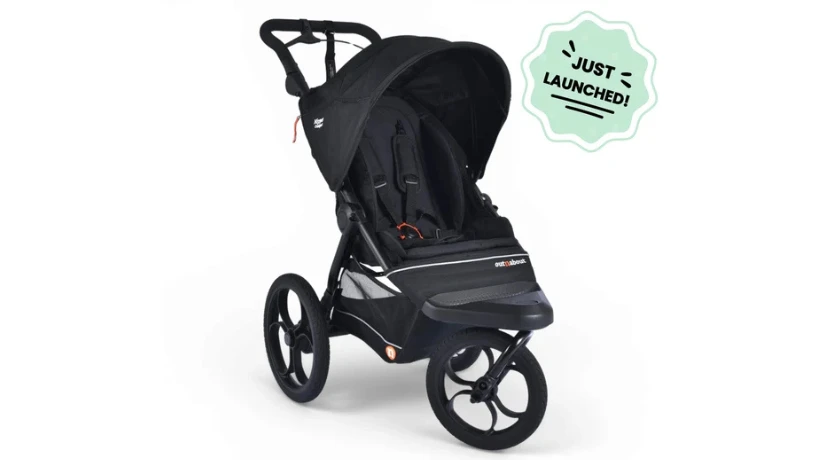
Every stroller comes with a manufacturer-specified weight limit, and it's rarely just a suggestion. These limits are determined through testing that accounts for frame stress, wheel load capacity, and overall structural stability. Exceeding the stated weight limit doesn't just void warranties, it can genuinely compromise how safely the stroller handles turns, stops, and uneven terrain.
One of the most common questions new parents ask isn't which stroller to buy, but how long it will actually last them. A compact stroller is a significant investment, and understanding its age and weight limits helps you plan ahead, whether that means budgeting for a future upgrade or confirming your current model will comfortably see you through toddlerhood. This guide breaks down what manufacturer guidelines really mean, the safety factors behind them, and the signs that indicate it's time to consider a different stroller.
If you're currently comparing options, this compact stroller is a useful reference point for understanding typical age and weight specifications in this category.
Understanding Manufacturer Guidelines
Why Weight Limits Exist
Every stroller comes with a manufacturer-specified weight limit, and it's rarely just a suggestion. These limits are determined through testing that accounts for frame stress, wheel load capacity, and overall structural stability. Exceeding the stated weight limit doesn't just void warranties, it can genuinely compromise how safely the stroller handles turns, stops, and uneven terrain.
Why Age Ranges Are Approximate
Age recommendations, on the other hand, are more of a general guideline than a strict rule. Children grow at different rates, so a stroller rated for "newborn to 4 years" is really describing an expected weight and height range rather than a fixed birthday cutoff. This is why checking your child's actual measurements against the stroller's specifications matters more than relying on age alone.
Typical Weight Limits for Compact Strollers
Standard Range Across the Category
Most compact strollers on the market are designed to support children from birth up to approximately 15-20 kg, though this varies by brand and model. Some premium compact strollers extend slightly beyond this range, particularly those built with reinforced frames designed for heavier daily use.
Newborn-Specific Considerations
If you plan to use a compact stroller from birth, confirm that it offers a suitable recline position or is compatible with a car seat attachment. Not all compact strollers are newborn-ready out of the box, and using one before it meets safe recline requirements can pose real risks.
Safety Considerations Beyond Weight
Stability and Center of Gravity
As children grow taller and heavier, their center of gravity shifts, which affects how a stroller handles turns and inclines. A stroller that felt perfectly stable with a smaller child may start to feel less secure once a child is closer to the upper end of the weight limit, even if that limit hasn't technically been exceeded.
Harness and Seat Fit
Beyond weight, pay attention to how well the harness fits as your child grows. A harness that's too snug restricts movement uncomfortably, while one that's too loose compromises safety. If you're consistently adjusting the harness to its maximum length, this is often an early sign your child is approaching the stroller's practical limits.
Signs It May Be Time to Upgrade
Reduced Legroom or Comfort
One of the clearest signs a stroller has been outgrown is when a child's legs are cramped or bent awkwardly during use. Comfort issues like this tend to appear before the stroller technically exceeds its weight limit, making it a useful early indicator.
Difficulty Reclining or Adjusting
If recline positions no longer accommodate your child comfortably, or if the seat feels noticeably tighter than it once did, this is worth taking seriously. Continuing to use a stroller that no longer fits properly can affect both comfort and posture over time.
Structural Wear
Frequent use naturally leads to wear on wheels, hinges, and fabric. If you're noticing looseness in the frame, difficulty folding smoothly, or fraying in the seat area, it may be time to consider whether the stroller is still performing safely, independent of your child's size.
How to Extend the Life of Your Stroller
Regular Maintenance
Routine cleaning and periodic checks of wheels, brakes, and locking mechanisms can extend a stroller's usable life. Catching small issues early often prevents them from becoming safety concerns later.
Avoiding Overloading
It can be tempting to hang extra bags or heavier items on the handlebar, but this shifts the stroller's balance and adds strain beyond the child's own weight. Sticking to the manufacturer's guidelines for additional load, not just child weight, helps maintain stability.



Comments
Login to Comment