How Do You Know When School Shoes Have Been Outgrown?
20 Aug, 2026
579 Views 0 Like(s)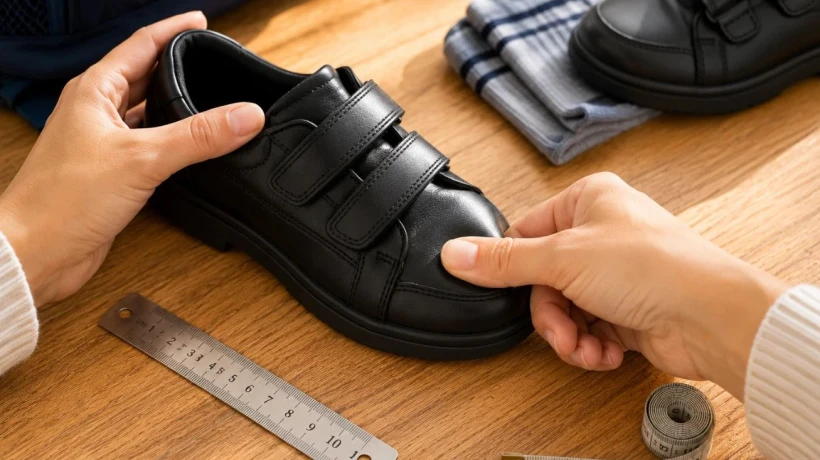
School shoes need to provide enough room for growing feet while supporting comfortable movement throughout a busy school day. Because children’s feet can grow quickly,
School shoes need to provide enough room for growing feet while supporting comfortable movement throughout a busy school day. Because children’s feet can grow quickly, a pair that fitted well at the start of a term may gradually become too small. Tightness, pressure around the toes, rubbing, or changes in walking can all indicate that a new pair is needed. Regular checks can help identify these signs before discomfort develops. Understanding how school shoes should fit, when to measure feet, and which changes to watch for makes it easier to maintain comfortable and practical footwear throughout the school year.
Check the Toe Room
One of the clearest signs that school shoes have been outgrown is limited space around the toes. There should generally be a small amount of room between the longest toe and the front of the shoe. When toes repeatedly touch the front during standing or walking, the footwear may no longer provide adequate space.
A useful check involves having the child stand upright while wearing the usual school socks. Press gently against the front of the shoe and assess the available space. Shoes that feel comfortable while sitting may become restrictive when the foot bears weight, so checking while standing gives a more accurate indication of fit.
Look for Pressure Around the Sides
Growing feet can become wider as well as longer. School shoes that once fitted comfortably may begin pressing against the sides of the feet. Red marks, indentations, or discomfort around the little toe and the widest part of the foot can indicate insufficient width.
Footwear should hold the foot securely without squeezing it. Persistent pressure may affect comfort during walking, running, sports activities, and long periods spent standing at school.
Watch for Rubbing and Blisters
Frequent rubbing is another important warning sign. Blisters, sore patches, redness, or irritation around the heel and toes may develop when shoes become too tight or lose their proper fit.
Some rubbing can occur when a new pair is first worn, but repeated irritation after the footwear has already been used for some time deserves attention. If discomfort continues despite correctly adjusted fastenings, checking the shoe size and shape can help determine whether the footwear has become too small.
Notice Changes in Walking
A change in walking pattern can sometimes reveal that school shoes are no longer comfortable. A child may begin walking differently, avoiding pressure on a particular part of the foot, removing shoes frequently, or becoming reluctant to participate in activities.
Complaints about tired or uncomfortable feet after school can also provide useful clues. Although occasional tiredness is normal after an active day, repeated discomfort may suggest that footwear needs closer inspection.
Check the Heel Fit
A properly fitted shoe should keep the heel reasonably secure without causing painful pressure. Excessive slipping may indicate that the shoe is too large, while tightness around the heel can occur when the overall shape no longer suits the growing foot.
Inspect the back of the shoe for signs of wear caused by excessive movement. Worn heel lining, repeated rubbing, or discomfort around the ankle can all indicate that the current pair is no longer providing a suitable fit.
Measure Feet Regularly
Children’s feet do not always grow at a predictable rate. Measuring both feet periodically can help identify changes before obvious discomfort appears. Measurements should be taken while standing because body weight naturally changes the shape and length of the foot.
Both feet should be measured because one foot is often slightly larger than the other. The larger foot should generally guide the choice of size. Measuring at the end of the day can also be useful because feet may swell slightly after normal daily activity.
Check School Shoes Between Terms
A quick footwear check at the beginning and end of each school term can help prevent problems. Examine the inside and outside of the shoes for signs of excessive wear, compression, damage, or reduced support.
Try the shoes with the socks normally worn for school. Ask about comfort and check the toe area, sides, heel, and fastening system. This simple routine can reveal changes that may otherwise go unnoticed.
Pay Attention to Shoe Shape
Size is not the only factor affecting comfort. Different children have different foot shapes, including variations in width, arch structure, and toe shape. A shoe with the correct length may still feel uncomfortable if the design does not provide enough room in the appropriate areas.
School footwear should allow natural toe movement while keeping the foot stable. A flexible upper, suitable width, secure fastening, and comfortable interior can contribute to a better overall fit.
Do Not Rely Only on the Shoe Size
Shoe sizes can vary between brands and styles, so the number printed inside a shoe should not be treated as the only measure of fit. Two pairs with the same stated size can feel different because of differences in shape, construction, materials, and internal dimensions.
The actual fit should always take priority. A practical fitting check should consider length, width, toe room, heel security, and overall comfort rather than relying solely on a familiar size.
Know When Replacement Is Necessary
Replacement becomes important when there is persistent discomfort, inadequate toe room, significant pressure, repeated rubbing, or visible deterioration. Footwear that has become damaged may also stop providing the support and protection expected during a full school day.
A larger pair should not be selected simply to extend the usable period of the shoes. Excessively loose footwear can cause the foot to move inside the shoe and may create rubbing or instability. The goal is a comfortable fit with enough growing room without excessive space.
A Practical School Shoe Fit Check
A short fitting routine can make regular checks easier. Have the child stand naturally while wearing normal school socks, then assess toe room, side pressure, heel movement, and general comfort. Check both feet and compare the fit carefully.
It is also useful to inspect the shoes after several weeks of use. Signs such as flattened cushioning, worn soles, damaged fasteners, or stretched areas may indicate that the footwear is no longer performing effectively. Combining physical inspection with feedback about comfort provides a more complete assessment.
Why Comfortable School Shoes Matter
School footwear is worn for many hours and often needs to handle walking between classrooms, outdoor play, stairs, assemblies, and other daily activities. Comfortable school shoes can therefore make a meaningful difference to the overall school-day experience.
A suitable fit supports natural movement and helps reduce avoidable pressure points. Regular measurements and simple fit checks can also make replacement decisions more timely. Rather than waiting until shoes become visibly damaged or extremely uncomfortable, checking the fit throughout the school year provides a practical way to keep growing feet properly accommodated.
Bachaa Party: A Practical Choice for School Footwear Needs
Bachaa Party offers a convenient destination for children’s footwear and everyday school essentials, making it easier to explore suitable options as children grow. A broad selection can help families compare different styles, sizes, and designs according to changing needs. For school footwear, regular fit checks remain important regardless of where shoes are purchased. Bachaa Party adds value through its focus on children’s products and practical shopping convenience, helping make routine school preparations simpler. When growing feet require a replacement pair, careful measurement and attention to comfort can be combined with the range of choices available through Bachaa Party.


Comments
Login to Comment