How Do I Choose the Best Sun Loungers for My Outdoor Space?
16 Jun, 2026
1375 Views 0 Like(s)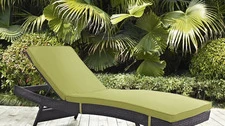
Choosing the right furniture plays a crucial role in achieving this goal, and few pieces offer the same level of comfort and functionality as a sun lounger.
Creating a comfortable and stylish outdoor area has become a priority for many homeowners. Gardens, patios, balconies, poolside spaces, and terraces are increasingly being transformed into relaxing extensions of indoor living areas. Choosing the right furniture plays a crucial role in achieving this goal, and few pieces offer the same level of comfort and functionality as a sun lounger.
Whether you enjoy reading in the fresh air, sunbathing by the pool, or simply unwinding after a long day, the right lounger can elevate your outdoor experience. However, with numerous designs, materials, and features available, selecting the ideal option can be challenging.
Understanding your space, lifestyle needs, and maintenance preferences can help you make a smart investment that enhances both comfort and style.
Assess Your Available Space
Before purchasing any outdoor furniture, evaluate the size and layout of your outdoor area. Measure the available space carefully to ensure the furniture fits comfortably without making the area feel crowded.
For smaller balconies or patios, compact sun loungers may be the best choice. Larger gardens and poolside spaces can accommodate wider designs or multiple loungers to create a resort-inspired atmosphere. Leave enough room around the furniture for easy movement and additional accessories such as side tables, umbrellas, or planters.
Consider How You Will Use the Lounger
Your intended use should influence your decision. Think about how often you plan to use the lounger and what activities you enjoy outdoors.
For example:
- Reading or relaxing may require adjustable backrests.
- Sunbathing often benefits from fully reclining designs.
- Entertaining guests may call for multiple loungers with matching tables.
- Poolside spaces require water-resistant materials.
Selecting furniture based on your lifestyle ensures maximum comfort and practicality.
Choose Weather-Resistant Materials
Outdoor furniture is exposed to changing weather conditions, including sunlight, rain, humidity, and dust. Choosing durable materials is essential for long-term performance.
Popular materials for sun loungers include:
- Aluminum: Aluminum frames are lightweight, rust-resistant, and easy to move. They are ideal for homeowners seeking low-maintenance outdoor furniture.
- Synthetic Rattan: Synthetic rattan offers a natural woven appearance while resisting moisture, fading, and cracking. It complements a wide range of outdoor décor styles.
- Teak Wood: Teak is known for its durability and natural resistance to moisture. Its warm appearance creates an elegant and timeless outdoor setting.
- Powder-Coated Steel: Steel frames provide excellent stability and strength. Powder coating helps protect against rust and corrosion.
Choosing high-quality materials helps ensure your sun loungers remain attractive and functional for years.
Prioritize Comfort Features
Comfort is one of the most important factors when selecting outdoor seating.
Look for features such as:
- Adjustable reclining positions
- Ergonomic design
- Padded cushions
- Headrest support
- Wide seating surfaces
A comfortable lounger encourages you to spend more time outdoors and enhances the overall relaxation experience.
Pay Attention to Cushion Quality
If your chosen lounger includes cushions, select options designed specifically for outdoor use.
Outdoor cushions should offer:
- UV resistance
- Water resistance
- Quick-drying properties
- Easy-to-clean fabrics
Quality cushions help maintain comfort while ensuring the furniture continues to look its best over time.
Match Your Outdoor Style
Your furniture should complement the overall design of your outdoor space. Modern outdoor areas often feature neutral colors, clean lines, and minimalist designs. Traditional gardens may benefit from natural wood finishes or woven textures.
Choose sun loungers that coordinate with existing elements such as outdoor dining sets, umbrellas, plants, and decorative accessories. Creating a cohesive design helps your outdoor space feel more inviting and visually appealing.
Consider Portability and Storage
Depending on your available space and climate, portability may be an important consideration. Foldable loungers can be easily stored during harsh weather conditions or when additional space is needed. Some models include wheels, making it easier to move them around the garden or pool area.
Flexible furniture options provide greater convenience and adaptability.
Evaluate Maintenance Requirements
Different materials require different levels of care.
For example:
- Aluminum and synthetic rattan are generally low-maintenance.
- Teak wood may require occasional treatment to preserve its appearance.
- Cushions should be cleaned regularly and stored when not in use.
Choosing furniture that matches your maintenance preferences helps ensure long-term satisfaction.
Check Weight Capacity and Stability
Safety and durability should always be considered when purchasing outdoor furniture. Review product specifications to confirm that the lounger can comfortably support intended users. A stable frame and high-quality construction improve longevity and provide peace of mind.
This is especially important for poolside areas where surfaces may become wet and slippery.
Think About All-Season Performance
Outdoor furniture should be able to withstand changing weather conditions throughout the year.
Look for features such as:
- UV-resistant finishes
- Rust-resistant frames
- Fade-resistant fabrics
- Moisture-resistant materials
These features help maintain the appearance and functionality of your sun loungers over time.
Balance Budget and Quality
While affordability is important, choosing the lowest-priced option may not always provide the best value. Investing in high-quality sun loungers can reduce the need for repairs and replacements. Durable materials and thoughtful design often deliver better long-term performance and comfort.
Focus on overall value rather than initial cost alone.
Conclusion
Choosing the best sun loungers for your outdoor space involves balancing comfort, durability, style, and functionality. By considering factors such as available space, weather resistance, maintenance needs, and design preferences, you can select furniture that complements your lifestyle and enhances your outdoor environment.
Whether placed by a pool, on a balcony, or in a garden retreat, well-chosen sun loungers create inviting spaces for relaxation and leisure. Investing in quality outdoor furniture allows you to enjoy your outdoor areas more often while creating a comfortable setting that reflects your personal style.


Comments
Login to Comment