How Do Gallstones Affect Digestion?
24 Sep, 2026
172 Views 0 Like(s)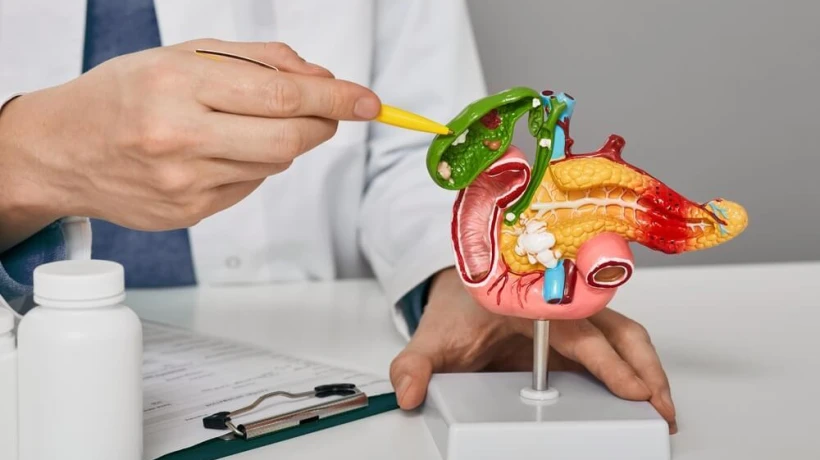
Learn how gallstones affect digestion, their symptoms, bile flow problems, digestive discomfort, treatment options, and when medical care is needed.
Gallstones are hardened deposits that develop inside the gallbladder and can affect digestion when they interfere with the normal movement of bile. The gallbladder stores bile produced by the liver and releases it into the small intestine when needed. Bile helps break down dietary fats so the digestive system can process them efficiently. When gallstones remain inside the gallbladder without causing an obstruction, they may produce no noticeable digestive effects. Problems generally begin when a stone blocks the normal flow of bile.
For people searching for Gall bladder in Islamabad, understanding how gallstones influence digestion can make it easier to recognize potentially related symptoms. Gallstones may cause abdominal pain, nausea, bloating, or discomfort after meals, although these symptoms can also occur with many other digestive conditions. Because symptoms vary between individuals, persistent or severe discomfort should be assessed by a qualified healthcare professional.
What Is The Gallbladder's Role In Digestion:
The gallbladder is a small organ located underneath the liver. Its main function is to store and concentrate bile until the body needs it.
After a meal enters the small intestine, the digestive system signals the gallbladder to release bile. Bile contains substances that help emulsify fats, making them easier for digestive enzymes to process.
The gallbladder is helpful for digestion, but it is not essential for survival. If it needs to be removed, the liver continues producing bile. Instead of being stored in the gallbladder, bile flows more continuously from the liver into the intestine.
How Do Gallstones Form:
Gallstones can develop when the chemical balance of bile changes or when the gallbladder does not empty properly. Cholesterol stones are the most common type, while pigment stones can develop from excess bilirubin.
Several factors may increase the risk of gallstones. These include obesity, rapid weight loss, pregnancy, increasing age, family history, and certain medical conditions.
A person can have one or several stones without experiencing any symptoms. These are sometimes called silent gallstones. Symptoms usually occur when a stone moves into a duct and interferes with bile flow.
Can Gallstones Cause Pain After Eating:
One of the most common effects of symptomatic gallstones is abdominal pain. The discomfort often develops in the upper-right area of the abdomen or sometimes in the upper middle abdomen.
Eating stimulates the gallbladder to contract and release bile. When a stone obstructs the gallbladder outlet, this contraction can contribute to significant discomfort.
Some people notice symptoms after eating large or fatty meals. Gallstone pain can remain steady for several hours and may sometimes spread toward the back or right shoulder.
Can Gallstones Cause Indigestion:
Gallstones may be associated with digestive symptoms such as indigestion, fullness, belching, and discomfort after eating. These symptoms can occur because gallbladder problems may interfere with normal bile release.
However, indigestion does not automatically mean that gallstones are present. Acid reflux, gastritis, ulcers, food intolerance, and other digestive conditions can cause similar symptoms.
If indigestion repeatedly occurs with upper abdominal pain, nausea, or meal-related discomfort, professional evaluation can help identify the actual cause.
Can Gallstones Cause Bloating:
Bloating is another digestive complaint that some people with gallbladder problems may experience. A person may feel unusually full or uncomfortable after meals.
However, bloating is not a specific symptom of gallstones. It can result from gas, constipation, food intolerance, digestive disorders, or changes in eating habits.
When bloating occurs repeatedly alongside characteristic gallstone symptoms, a healthcare professional may recommend an examination and appropriate testing.
How Do Gallstones Affect Fat Digestion:
Bile is particularly important for the digestion and absorption of fats. Gallstones can interfere with this process when they block the ducts through which bile travels.
A temporary blockage may cause an episode of abdominal pain without causing long-term digestive problems. A persistent obstruction, however, can prevent bile from reaching the intestine normally.
A significant bile duct blockage may cause jaundice, dark urine, pale stools, or other changes. These symptoms can indicate a complication and should be medically assessed.
Can Gallstones Cause Nausea And Vomiting:
Nausea and vomiting may occur during a painful gallstone attack. The symptoms can be particularly noticeable when abdominal discomfort becomes severe.
Repeated vomiting can lead to dehydration and may indicate that a person needs medical evaluation, especially when accompanied by persistent pain.
Nausea and vomiting have many possible causes, so they cannot independently confirm gallstones. A healthcare professional may use the person's symptoms, physical examination, blood tests, and imaging to determine the underlying problem.
Can Gallstones Affect Bowel Movements:
Changes in bile flow can sometimes influence digestion and bowel habits. However, gallstones do not cause the same bowel changes in everyone.
A blockage affecting bile flow may result in unusually pale stools because less bile pigment reaches the intestine. Dark urine may also develop when bile components enter the bloodstream.
Persistent diarrhea, constipation, or major changes in bowel habits can have many causes and should be evaluated if they continue or occur alongside other concerning symptoms.
What Happens When Gallstones Block Bile Ducts:
Gallstones can move from the gallbladder into the bile ducts. If a stone becomes lodged, bile may not flow normally from the liver and gallbladder into the intestine.
A bile duct blockage can cause abdominal pain and jaundice. It may also increase the risk of infection or inflammation.
In some situations, a stone can interfere with pancreatic drainage and contribute to pancreatitis. This can cause severe upper abdominal pain and requires prompt medical attention.
Can Gallstones Cause Gallbladder Inflammation:
A stone blocking the cystic duct can cause inflammation of the gallbladder, known as acute cholecystitis.
Symptoms can include persistent pain in the upper-right abdomen, tenderness, fever, nausea, and vomiting. The discomfort may become worse with movement or deep breathing.
Gallbladder inflammation can become serious if left untreated. Medical evaluation can determine whether medication, monitoring, a procedure, or surgery is appropriate.
How Are Gallstones Diagnosed:
Diagnosis usually starts with a review of symptoms and medical history. A healthcare professional may ask when the pain occurs, how long it lasts, whether meals trigger it, and whether nausea, vomiting, fever, or jaundice are present.
An abdominal ultrasound is commonly used to identify gallstones and examine the gallbladder. Blood tests can also help identify inflammation or problems involving the liver, bile ducts, or pancreas.
Additional imaging or specialized procedures may be recommended when a blocked bile duct or another complication is suspected.
Can Diet Help Manage Gallstone Symptoms:
Dietary changes may help some people reduce symptoms, particularly when fatty meals trigger discomfort. However, food choices cannot reliably remove existing gallstones.
A balanced eating pattern can include vegetables, fruits, whole grains, legumes, lean protein sources, and moderate amounts of healthy fats. Limiting heavily fried and highly processed foods may also support general health.
Rapid weight loss should generally be avoided because it can increase the risk of gallstone formation. Sustainable weight management is a more appropriate approach for many people.
When Is Gallbladder Surgery Considered:
Not everyone with gallstones needs surgery. Gallstones that cause no symptoms may sometimes be monitored without treatment.
When stones repeatedly cause painful attacks or lead to complications such as inflammation or obstruction, gallbladder removal may be recommended. The procedure is known as a cholecystectomy and is often performed using minimally invasive techniques.
People considering Gall bladder surgery in Islamabad can discuss their symptoms, diagnosis, available treatment options, expected recovery, and potential risks with a qualified healthcare professional.
When Should Digestive Symptoms Be Checked:
Digestive symptoms should be medically assessed when they are persistent, severe, or repeatedly return. Seek prompt medical attention if abdominal pain occurs with fever, chills, repeated vomiting, or yellowing of the skin or eyes.
Dark urine and unusually pale stools can also indicate a problem with bile flow. Severe or prolonged pain may suggest inflammation, infection, or an obstruction requiring treatment.
Because many digestive disorders can resemble gallstone symptoms, professional diagnosis is important before choosing a treatment.
Final Thoughts:
Gallstones can affect digestion when they interfere with the normal flow of bile. They may contribute to abdominal pain after meals, nausea, vomiting, bloating, and indigestion. More serious complications can develop when a stone blocks a bile duct or causes gallbladder inflammation.
Not every person with gallstones experiences symptoms, and digestive discomfort does not always mean gallstones are present. Appropriate medical evaluation can determine the underlying cause and help identify suitable treatment.
For additional information about gallbladder evaluation, treatment, and related healthcare services, JJ medics can be explored for further guidance.



Comments
Login to Comment