How Can Wood Grain Paneling for Walls Change a Building’s Visual Character?
20 Oct, 2026
10 Views 0 Like(s)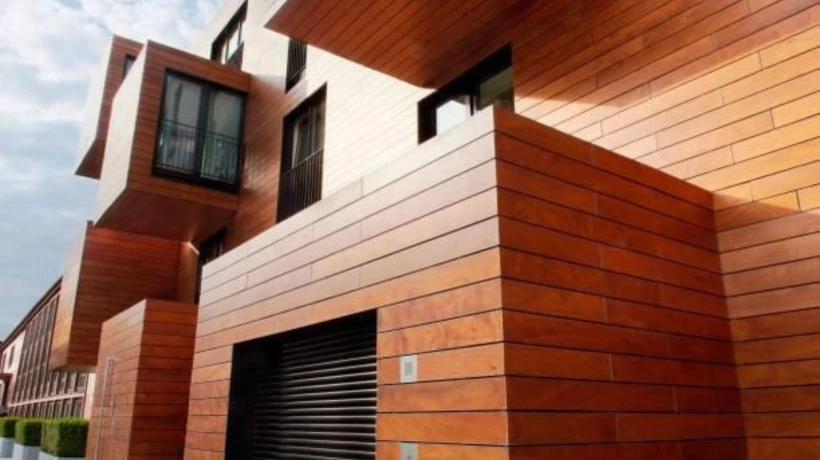
Wood grain paneling for walls
A building’s exterior does more than protect the structure. It also shapes how people experience and remember the property. Wood grain paneling for walls can change that experience by adding warmth, texture, depth, and a more natural visual quality to a modern exterior. For architects, designers, developers, and contractors, wood-inspired metal finishes can help transform large commercial façades from simple surfaces into more distinctive architectural features.
Creating Warmth on a Modern Exterior
Modern commercial buildings often use clean lines, large surfaces, and materials such as metal and glass. Wood grain finishes can soften this look without taking away the modern character of the building.
The wood appearance introduces a familiar, natural feeling. This can make an office, retail property, institutional building, or other commercial space feel more welcoming while keeping a structured architectural appearance. The visual change is especially noticeable when the finish is used around entrances or other areas where people first interact with the building.
Adding Depth to Large Wall Surfaces
Large exterior walls can sometimes appear visually flat when one material or finish covers the entire surface. Wood grain can create another layer of visual interest through its texture and pattern.
Instead of seeing one uninterrupted wall, viewers notice changes in grain, tone, direction, and panel arrangement. These details can make a large façade feel more carefully designed.
Visual Effects Wood Grain Can Create
-
Warmth: Natural-looking tones can make a building feel more inviting.
-
Depth: Grain patterns add visual texture to broad surfaces.
-
Movement: Panel direction can guide the eye across or upward.
-
Contrast: Wood tones can stand out against glass, concrete, or smooth metal.
-
Identity: A distinctive finish can help a property develop a recognizable appearance.
Changing the Sense of Scale
Panel arrangement can also influence how people perceive the size and shape of a building. Horizontal wood grain panels can visually emphasize the width of a structure, while vertical arrangements can draw the eye upward. This gives architects another way to influence the building’s visual proportions. Rather than treating the exterior as one large surface, panel direction can become part of the architectural design.
The same principle can be applied when combining wood grain paneling for walls with other exterior materials. Different orientations and finishes can separate building sections while keeping the overall appearance connected.
Creating Stronger Material Contrast
Wood-inspired finishes become even more noticeable when placed beside contrasting materials. Smooth metal, glass, concrete, stone, and other architectural surfaces can make the grain pattern stand out.
For example, a clean composite metal section beside a wood grain area can create a clear difference between textures. Exterior metal siding panels can also be incorporated into the same overall design to add another layer of pattern, direction, or finish. This type of contrast allows designers to create visual hierarchy. Certain areas can become focal points while other sections provide a quieter background.
Giving Entrances and Feature Areas More Character
A building does not need wood grain across every exterior surface to benefit from its visual effect. Strategic placement can make a stronger statement. An entrance framed with a wood-inspired finish can feel warmer and more noticeable. A selected wall can become a feature element. A wood grain section can also help visually separate one part of a large commercial building from another.
Areas That Can Become Visual Focal Points
-
Main building entrances
-
Reception or public-facing areas
-
Prominent façade sections
-
Vertical or horizontal feature bands
-
Transitions between different exterior materials
These choices allow the finish to support the building’s identity rather than simply cover its walls.
Building a More Memorable Architectural Identity
Visual character comes from the relationship between materials, colors, patterns, and proportions. Wood grain finishes can give a building a recognizable quality that may be difficult to achieve with a single uniform surface. Composite metal systems can further expand these design possibilities.
Reynobond composite panels, for example, can be used as part of a broader exterior material palette, allowing smooth and wood-inspired surfaces to work together within one architectural concept. The goal is not simply to make a building look different. It is to create a balanced exterior where each material has a clear visual purpose.
FAQs
What colors work well with wood grain wall panels?
Wood grain finishes can work with neutral colors such as gray, white, black, beige, and earth tones. The right combination depends on the building’s architectural style and the desired overall appearance.
Can wood grain panels suit both traditional and modern buildings?
Yes. A wood-inspired finish can support different architectural styles. It can add a natural touch to contemporary buildings or complement traditional design elements without making the exterior feel out of place.
Does the grain pattern affect the appearance of wall panels?
Yes. Grain direction and pattern can influence how a surface is perceived. A subtle pattern may create a refined appearance, while a stronger grain can make the panel a more noticeable design feature.
How can wood grain finishes support a building’s brand image?
Exterior finishes can contribute to how a property is recognized. A carefully selected wood grain appearance can help create a warm, professional, natural, or sophisticated visual identity that matches the purpose of the building.
Can wood grain paneling be used to separate different areas of a façade?
Yes. Different finishes can visually divide a large façade into sections without changing the building’s overall design. Wood grain can help distinguish selected areas while maintaining a consistent architectural theme.
Final Thought
A building’s character is shaped by what people see before they enter it. Wood grain paneling for walls can bring warmth, texture, depth, and visual rhythm to commercial architecture while supporting a modern design. When its color, direction, placement, and surrounding materials are carefully coordinated, a simple exterior can become a more welcoming, distinctive, and memorable part of the building itself.


Comments
Login to Comment