Can PRP Hair Treatment Regrow Thinning Hair?
20 Oct, 2026
5 Views 0 Like(s)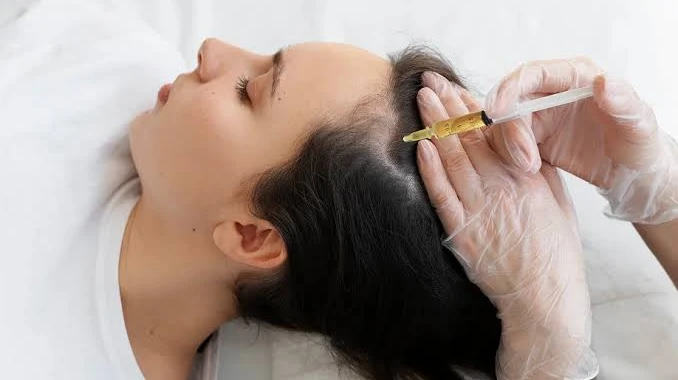
Those considering PRP Hair Treatment in Dubai should understand that the treatment may support existing hair follicles, but results depend on the cause of hair loss and the condition of the scalp.
Hair thinning can develop gradually because of genetics, hormonal changes, ageing, or certain medical conditions. Platelet-rich plasma (PRP) therapy is a non-surgical option that may help selected people improve hair density and reduce shedding. Those considering PRP Hair Treatment in Dubai should understand that the treatment may support existing hair follicles, but results depend on the cause of hair loss and the condition of the scalp. PRP uses a concentrated portion of the patient's own blood, which is prepared and injected into targeted areas. Although research has shown promising results for hereditary pattern hair loss, it does not guarantee regrowth for everyone.
How PRP May Help Thinning Hair
PRP stands for platelet-rich plasma. Platelets are components of blood that contain growth factors involved in the body's natural repair and cell-signalling processes. During treatment, a small blood sample is collected and placed in a centrifuge to separate the platelet-rich portion from other blood components. The prepared plasma is then injected into selected areas of the scalp.
Researchers believe that growth factors in PRP may influence the environment around existing hair follicles and support processes associated with hair growth. For some people, this may help improve hair density or reduce excessive shedding over time.
However, PRP does not create new hair follicles in areas where follicles have been permanently lost. Its potential benefits are generally more relevant when follicles remain present and capable of producing hair.
What Research Says About Hair Regrowth
Clinical research suggests that PRP may improve hair density in some people, particularly those with androgenetic alopecia, also known as hereditary pattern hair loss. This condition can affect both men and women and commonly causes gradual thinning around the hairline, crown, or central parting.
A systematic review and meta-analysis published in 2024 examined randomised clinical trials involving people with androgenetic alopecia. It reported an increase in hair density among participants receiving PRP, although the researchers also highlighted limitations in the quality and consistency of the available evidence. Differences in treatment methods and study design make it difficult to predict exactly how much improvement an individual will experience.
The evidence is encouraging, but PRP should be considered a possible treatment rather than a guaranteed cure. Some patients may notice a visible improvement, while others may experience only a small change or no meaningful response.
Which Types of Hair Thinning May Respond?
PRP has been studied most extensively for hereditary pattern hair loss. In men, this may appear as a receding hairline or thinning around the crown. In women, it can cause reduced overall volume or a widening parting.
People with early or moderate thinning may be more suitable candidates when their hair follicles are still active. A clinician can examine the scalp and determine whether PRP may be appropriate based on the pattern and progression of hair loss.
Other causes of thinning require careful consideration. Temporary shedding may occur after illness, significant stress, hormonal changes, nutritional deficiencies, or certain medications. Thyroid problems and inflammatory scalp conditions can also contribute to hair loss. PRP may not address these underlying causes, so identifying the reason for thinning is an important first step.
Sudden shedding, patchy bald spots, scalp pain, or persistent inflammation should be assessed by a qualified healthcare professional before treatment is considered.
Can PRP Make Fine Hair Look Fuller?
Some people experience increased hair density after PRP, which may make thinning areas look fuller. Hair density refers to the number of hairs growing within a particular area of the scalp. When density improves, the scalp may become less visible through the hair.
However, fuller-looking hair is not the same as restoring the original thickness and volume. Research findings on hair density are more encouraging than findings on hair thickness, and the response can vary considerably between individuals.
The appearance of the hair may also depend on hair texture, styling, lighting, and the extent of thinning. Patients should discuss realistic goals with their clinician rather than expecting a complete return to their previous hair density.
How Long Does It Take to See Changes?
PRP does not produce immediate results because hair growth follows a natural cycle. Any changes in shedding or density generally take time to become noticeable, and several months may be needed to assess the response.
Treatment plans often involve an initial series of sessions spaced several weeks apart. The number of sessions and whether maintenance treatments are recommended depend on the clinician's protocol and the patient's progress.
It can be helpful to take photographs before treatment and at follow-up appointments under similar lighting and from consistent angles. These comparisons may provide a clearer picture of changes than checking the scalp every day.
Not everyone responds at the same speed. If there is little improvement after the recommended course, a clinician can reassess the diagnosis and discuss alternative approaches.
Who May Be a Suitable Candidate?
PRP may be considered for adults experiencing certain types of hair thinning, particularly hereditary pattern hair loss where existing follicles remain active. Suitability depends on the diagnosis, scalp condition, medical history, and individual expectations.
Before treatment, a healthcare professional should review the patient's health and medications and assess the scalp. Some medical conditions, platelet abnormalities, blood disorders, or active infections may affect suitability. Patients should disclose relevant health information and follow the clinician's guidance.
People with extensive bald areas where follicles have been permanently lost may see limited benefit. PRP cannot replace missing follicles, so other options may be more appropriate depending on the individual's goals and circumstances.
Can PRP Be Combined With Other Hair-Loss Treatments?
For some patients, PRP may be considered as part of a wider hair-management plan. Depending on the diagnosis, a clinician may discuss established treatments such as topical minoxidil or other medically appropriate options.
Combining treatments is not necessary for everyone, and the best approach depends on the type of hair loss and the person's health. Patients should not stop prescribed medication or begin a new treatment without professional advice.
If thinning is linked to a nutritional deficiency or another underlying condition, addressing that cause may be essential. A personalised plan helps ensure that treatment focuses on the actual reason for hair loss rather than relying on PRP alone.
Possible Side Effects and Important Considerations
PRP uses the patient's own blood, which reduces the risk of an allergic reaction to a foreign biological substance. However, the procedure involves blood collection and scalp injections, so it is not completely risk-free.
Temporary tenderness, redness, swelling, or bruising may occur around injection sites. Infection is possible if appropriate hygiene and sterile techniques are not followed. A qualified professional should explain the potential risks and provide suitable aftercare instructions.
Patients should also be cautious of claims promising guaranteed or permanent hair regrowth. Results vary, and scientific evidence continues to develop. A thorough assessment and realistic discussion of possible outcomes are important before deciding whether to proceed.
Conclusion
PRP hair treatment may help some people regrow or maintain hair in thinning areas, particularly when hair loss is related to hereditary pattern thinning and the follicles remain active. Research suggests that it can improve hair density for selected patients, but the amount of improvement varies and results are not guaranteed. PRP cannot restore follicles that have been permanently lost, and it may not treat every cause of hair loss. A professional scalp assessment can help identify the underlying problem and determine whether PRP or another treatment is more suitable.
Frequently Asked Questions
1. Can PRP regrow thinning hair?
PRP may improve hair density in some people, especially those with hereditary pattern hair loss. Results vary depending on the condition of the follicles and the individual's response.
2. Can PRP restore hair in completely bald areas?
PRP is unlikely to restore hair where follicles have been permanently lost. It is intended to support existing follicles rather than create new ones.
3. Does PRP help both men and women?
Yes, PRP has been studied in men and women with hereditary pattern hair loss. Suitability depends on the diagnosis and the condition of the scalp.
4. How long does PRP take to show results?
Changes may take several months to become noticeable because hair grows gradually. Follow-up assessments can help determine whether treatment is working.
5. Can PRP make thin hair thicker?
Some people may notice fuller-looking hair if density improves. However, research on changes in hair thickness is less consistent, and improvement is not guaranteed.
6. Is PRP effective for every type of hair loss?
No. PRP has been studied most extensively for hereditary pattern hair loss. Other causes, such as nutritional deficiencies or scalp conditions, may need different treatment.
7. How many PRP sessions are usually needed?
Many treatment plans begin with a series of sessions. The recommended number and timing depend on the clinician's protocol, the diagnosis, and the patient's response.
8. Does PRP stop hair loss permanently?
No. PRP is not a permanent cure for hereditary hair loss. Some people may need ongoing management or additional treatments to maintain their results.
9. Are there side effects of PRP hair treatment?
Temporary tenderness, redness, swelling, or bruising may occur. A qualified healthcare professional should explain the risks and review relevant medical conditions before treatment.
10. How can I find out if PRP is suitable for my thinning hair?
A qualified healthcare professional can examine your scalp, review your medical history, and identify the likely cause of thinning. This assessment helps determine whether PRP is a suitable option.

Comments
Login to Comment