How Acrylic Sandwich Board Signs Improve Office Displays
13 Oct, 2026
11 Views 0 Like(s)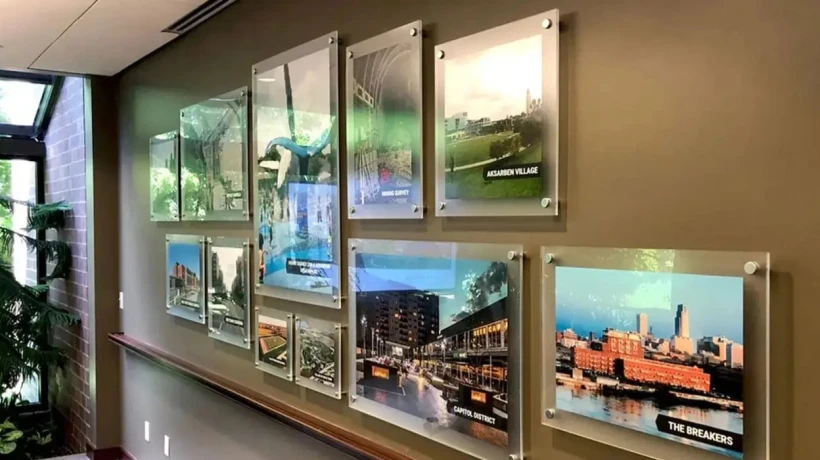
The term acrylic sandwich board can describe different sign designs, so it is important to confirm the construction before ordering. Some signs use two acrylic panels with printed information or a graphic insert between them.
A clear sign can help people find a business, identify a room, or read important information without asking for help. An acrylic sandwich board is a useful option when a sign needs two panels or layers arranged around a central space or support. Depending on its design, it can display names, logos, notices, directions, or promotional messages. Before choosing one, it is important to understand how the board is built, where it will be used, and which materials and fixing methods will work best.
1. How an Acrylic Sandwich Board Works
The term acrylic sandwich board can describe different sign designs, so it is important to confirm the construction before ordering. Some signs use two acrylic panels with printed information or a graphic insert between them. Others use a layered design that creates depth or holds information in place.
A two-panel design can make the displayed content look neat because the printed sheet or insert sits between clear surfaces. Depending on the fittings, the information may be replaceable without producing a completely new sign. Layered acrylic can also create a more detailed appearance for logos, room names, and office displays.
The exact structure affects the sign's strength, weight, and use. A small board for an office door has different needs from a large panel placed near a building entrance. Before approving the design, ask whether the panels are fixed together, held by standoffs, or designed to open for changing the insert.
Knowing how the board is assembled helps you choose a suitable product instead of relying on its name alone.
2. Identify the Best Place for the Board
The location determines which type of acrylic sandwich board will be most useful. Offices, reception areas, retail shops, clinics, schools, and exhibition spaces may all need signs, but the information and viewing conditions can vary.
In an office, a board may display a company name, department, room number, or staff details. At reception, it may identify the business or provide directions to different areas. In a shop, it can display opening hours, service details, or a short message for customers.
Exhibition stands may use acrylic panels to show product information or brand details in a tidy format. In these settings, the sign should be visible to people walking past and should not take up more space than necessary.
Think about where people will stand when reading the sign. A board on a desk can use smaller lettering than one mounted above an entrance. If people will view it from several angles, consider reflections and the contrast between the text and its background.
A sign that suits its location is more likely to be useful than one chosen only for its appearance.
3. Choose Suitable Acrylic Panels and Finishes
Acrylic comes in different colours, thicknesses, and finishes. Clear acrylic is often used when the design needs a transparent front, while coloured or opaque panels can provide a solid background for text and logos.
Clear panels allow the information underneath to remain visible, but they can also create reflections. If a sign is placed near a window or strong light source, glare may make the text harder to read. A frosted finish can soften the appearance, while a solid background may provide better contrast for certain designs.
Thickness should match the panel size and how it will be mounted. A small name plate may not need the same thickness as a large display board. Larger panels may require stronger fittings or support to reduce movement and prevent damage.
Edge finishing also affects the result. Smooth, clean edges can give the board a neat appearance, especially when the sides remain visible. If the sign has cut corners or shaped edges, confirm that the design suits the location and does not create sharp points.
Ask for a material sample or a clear specification before production. This helps you check the finish, colour, thickness, and overall look in the actual lighting conditions.
4. Make the Text Easy to Read
A sign should communicate its message quickly. People may only look at it for a few seconds, so the wording and layout should be simple.
Start by deciding which information matters most. For a business name, the company name and logo may be enough. For a room sign, the room name or staff member's name should be the main feature. Extra details should be included only when they help the reader.
Choose a font that is clear at the expected viewing distance. Very decorative lettering can make names difficult to read, especially on small panels. Keep enough space between letters and lines, and avoid placing text too close to the edges.
Contrast is important when using transparent acrylic. White lettering on a clear panel may disappear against a light wall, while dark lettering may become hard to see against a dark background. A backing sheet, coloured panel, or carefully chosen text colour can improve visibility.
Before production, check the artwork at full size. Make sure names are spelt correctly, logos are not stretched, and the text remains readable when printed or placed between the panels.
5. Consider Where the Information Will Be Displayed
The content should match the purpose of the board. A sign that identifies a business needs a different layout from one that displays a list of services or room details.
For a reception display, a company name and logo may be enough. For a door sign, the information may include a staff member's name, job title, or department. For a notice board, the design should make the main heading easy to spot and leave enough room for the supporting information.
If the board will display information that changes often, consider using a removable insert. This can be helpful for meeting room names, temporary notices, event schedules, or staff details. Confirm that the panels can be opened or removed without damaging the sign.
For permanent information, a fixed design may be simpler and more secure. It can also reduce the chance of an insert slipping or being removed by mistake.
Businesses exploring name plate dubai options should consider how often the displayed details will change and whether the sign is intended for a door, wall, desk, or reception counter. Choosing the right format at the beginning can help avoid unnecessary replacement costs.
6. Select a Mounting Method That Suits the Surface
An acrylic sandwich board can be displayed on a desk, attached to a wall, mounted on a door, or supported by a frame. The correct method depends on the board's weight, size, and location.
Small, lightweight signs may use suitable adhesive fittings, but the surface must be clean and compatible with the adhesive. Painted walls, textured surfaces, glass, and metal may need different fixing methods. Adhesive should not be assumed to work well on every surface.
Screws or standoffs can provide a secure attachment for some designs. Standoffs hold the sign slightly away from the wall and create a layered appearance. The fixing points should be planned carefully so that drilling does not cause cracks or damage the panel.
For glass doors, confirm whether the sign is suitable for the glass type and whether the fittings will interfere with door movement. For larger wall-mounted boards, check that the wall can support the complete assembly.
A paper template can help installers mark the correct position and spacing before making permanent holes. After installation, check that the board is level, secure, and easy to read.
7. Understand the Cost Before Ordering
The price of an acrylic sandwich board depends on its dimensions, thickness, number of panels, printing method, edge finish, fittings, and installation needs. A small name plate with a simple layout is usually less complex than a large display with multiple layers and custom-cut shapes.
Printing can also affect the cost. A basic text layout may require less work than a design with detailed graphics, several colours, or a complex logo. If the board includes replaceable inserts, ask whether replacement prints can be ordered separately.
When comparing quotations, make sure the specifications match. Check the panel dimensions, acrylic thickness, print quality, mounting method, and whether delivery or installation is included. A lower price may not cover all the items needed to complete the sign.
It is useful to consider long-term costs as well. A replaceable insert may save money when information changes frequently. A fixed panel may be more practical when the displayed details will remain the same for years.
Zahrat Al Madina Printing is one example of a Dubai printing business associated with printed products and signage. When comparing any supplier, focus on the material details, artwork proof, production process, and installation plan before making a decision.
8. Protect the Board From Damage
Acrylic can provide a smooth and attractive surface, but it can scratch if handled or cleaned incorrectly. Proper care helps maintain its appearance and keeps the information readable.
Use a soft cloth to remove dust and fingerprints. Choose a cleaner that is suitable for acrylic and follow the material manufacturer's instructions. Avoid rough sponges, abrasive powders, and harsh chemicals unless the manufacturer confirms they are safe.
Handle the panels carefully during installation. Scratches can be more noticeable on clear acrylic, especially under bright lighting. Keep protective film on the panels for as long as practical during production and fitting, then remove it according to the supplier's instructions.
If the board is installed outdoors, check whether the material and fittings are suitable for sunlight, heat, moisture, and wind exposure. Not every acrylic design is suitable for an exposed outdoor location. A sheltered position may help reduce wear, but the sign still needs suitable materials and secure mounting.
Inspect the board periodically for loose fittings, cracks, damaged edges, or signs that the panels have shifted. Repair or replace damaged parts when needed rather than leaving the sign unstable.
9. Keep the Design Useful as Needs Change
A sign may need to change when an office moves, a staff member changes roles, or a business updates its information. Planning for these changes can make the board easier to manage over time.
If the displayed information is likely to change, use a design that allows the insert to be replaced. Keep the size and layout standard so new inserts can be produced without changing the whole board. Make sure the replacement text follows the same font, colour, and spacing rules as the original.
For permanent signs, keep a copy of the approved artwork. This helps when a damaged board needs to be replaced or when the same design is required at another location. Check the spelling and contact details before approving any new print.
In offices with many signs, maintain a simple list of board locations and the information displayed on each one. This can help staff update the correct signs and remove outdated information promptly.
A well-planned sign should be easy to read today and practical to update when the business changes. The best design balances appearance, function, and ease of care.
Final Thoughts
An acrylic sandwich board can be useful for office identification, reception displays, shop information, and other signs that need a clean, layered appearance. Its performance depends on the panel design, material thickness, text layout, mounting method, and conditions where it will be used.
Before ordering, confirm the board's construction, choose readable lettering, and check that the fittings suit the installation surface. If the information may change, consider a replaceable insert. With careful planning and regular cleaning, the board can remain clear, secure, and useful for everyday business needs.



Comments
Login to Comment