How Does Birthmark Removal Treatment Work?
13 Oct, 2026
16 Views 0 Like(s)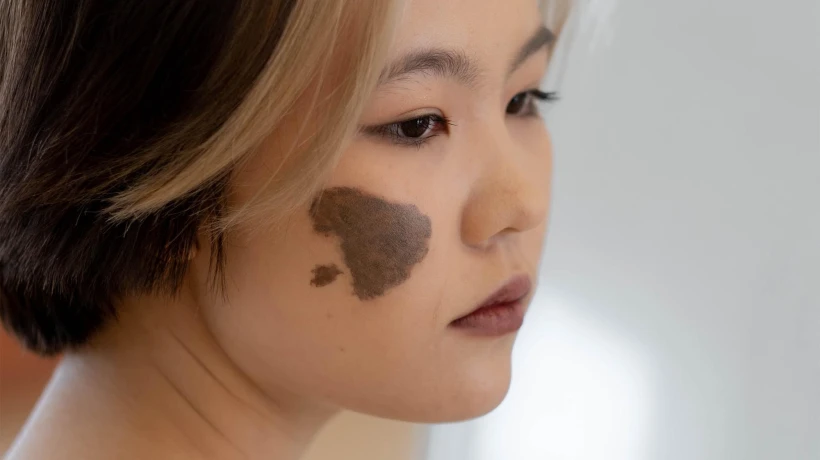
Birthmark Removal Dubai includes treatment options designed to reduce the visibility of selected birthmarks through methods such as laser therapy or surgical removal.
Birthmarks can appear as red, pink, brown, blue-grey, or dark patches on the skin, and their appearance varies according to their type and depth. Birthmark Removal Dubai includes treatment options designed to reduce the visibility of selected birthmarks through methods such as laser therapy or surgical removal. The way treatment works depends on whether the mark is caused by blood vessels, pigment-producing cells, or another skin structure. A professional assessment helps identify the birthmark and determine the most appropriate approach.
Understanding How Birthmark Removal Works
Birthmark removal is not a single procedure. Different methods target different structures within the skin, so the first step is identifying the type of birthmark.
Vascular birthmarks develop from blood vessels, while pigmented birthmarks involve changes in the distribution or concentration of pigment-producing cells. Some birthmarks are flat, whereas others may be raised or extend into deeper layers of tissue.
Once the birthmark has been assessed, a healthcare professional can recommend an appropriate treatment or explain why monitoring may be preferable. The goal may be to lighten the mark, reduce its size, improve its appearance, or address a medical concern.
How Laser Treatment Targets Birthmarks
Laser treatment is used for certain vascular and pigmented birthmarks. It delivers concentrated light energy to a selected target within the skin.
The laser type is chosen according to the birthmark's characteristics. Vascular lasers target components of blood vessels, while some other laser technologies target pigment.
Laser Treatment for Vascular Birthmarks
Vascular birthmarks, such as port-wine stains, contain blood vessels that contribute to their pink, red, or purple appearance.
A vascular laser can deliver energy that is absorbed by blood components, heating targeted vessels while aiming to limit damage to surrounding tissue. The treated vessels may then be gradually broken down or reabsorbed by the body.
The mark may become lighter after treatment, but the response varies. Multiple sessions may be needed, and complete removal is not guaranteed.
Laser Treatment for Pigmented Birthmarks
Pigmented birthmarks develop because of differences in pigment-producing cells or the distribution of pigment within the skin.
Certain laser technologies can target pigment in selected lesions, allowing the body to gradually clear some of the treated pigment. However, not every pigmented birthmark is suitable for laser treatment.
Some lesions need medical evaluation before any cosmetic procedure is considered. A clinician should confirm the diagnosis and assess whether treatment is appropriate, especially if the mark is changing in size, shape, or color.
How Surgical Birthmark Removal Works
Surgical removal may be considered for selected birthmarks when the lesion's characteristics and the expected benefits justify the procedure.
During surgery, a clinician removes the targeted tissue using an appropriate technique. The wound may be closed with stitches or managed using another method depending on the size and location of the lesion.
Surgery may be suitable for certain raised or pigmented lesions, but it is not appropriate for every birthmark. Larger marks may require more than one procedure, and removing the lesion can leave a scar.
The healthcare professional should explain the expected cosmetic outcome, recovery process, and possible complications before treatment.
When Birthmark Monitoring Is More Appropriate
Some birthmarks do not require removal. Observation may be recommended when a mark is harmless, remains stable, or is likely to fade naturally.
For example, many salmon patches become less noticeable during childhood, and some infantile haemangiomas gradually shrink over time. Other birthmarks, including many port-wine stains, usually persist.
Monitoring may involve periodic examinations and photographs to track changes. If a birthmark grows rapidly, bleeds, develops an open sore, becomes painful, or changes in an unusual way, it should be assessed by a healthcare professional.
Factors That Determine the Treatment Method
The appropriate method depends on several characteristics of the birthmark and the person receiving treatment.
Type of Birthmark
Vascular and pigmented marks respond to different treatments. Identifying the type helps determine whether laser therapy, surgery, observation, or another medical approach may be suitable.
Size and Depth
Small, superficial marks may respond differently from larger or deeper lesions. The depth and structure of the birthmark influence the treatment method and the expected outcome.
Skin Tone
Skin tone can affect laser selection and the risk of temporary or persistent pigmentation changes. A qualified practitioner should select suitable settings and discuss any additional precautions.
Location on the Body
Birthmarks on the face, neck, hands, or other sensitive areas require careful planning. The thickness of the skin, nearby structures, and potential for scarring can influence the treatment decision.
Medical History
Previous skin conditions, medications, healing problems, and a history of unusual scarring may affect treatment suitability. These factors should be discussed during the consultation.
What Happens During a Birthmark Removal Session?
The treatment process depends on the method selected, but it generally begins with an assessment.
The healthcare professional examines the birthmark, reviews medical history, and discusses the person's goals. If the nature of the lesion is uncertain, further evaluation may be required before cosmetic treatment.
For laser treatment, the skin is prepared according to the practitioner's instructions. Protective eyewear is used when required, and the laser is applied to the targeted area. The session length depends on the size and location of the birthmark.
Surgical removal involves a different process, including preparation of the treatment area and appropriate wound care afterward. The practitioner should explain what to expect before the procedure begins.
How Many Sessions Are Usually Needed?
The number of sessions depends on the birthmark type, treatment method, size, depth, and individual response.
Some birthmarks may show improvement after an initial session, while others require multiple treatments spaced over time. Certain lesions may respond only partially, even after several sessions.
There is no universal treatment schedule that guarantees complete removal. The practitioner should review progress and adjust the plan according to the response and the person's needs.
Recovery After Birthmark Removal
Recovery varies according to the procedure used. After laser treatment, temporary redness, swelling, tenderness, or changes in skin color may occur. Some treatments may also cause temporary crusting or bruising.
After surgery, the area requires appropriate wound care and follow-up. The recovery period depends on the size and location of the wound and the technique used.
General aftercare may include:
-
Keep the treated area clean as instructed.
-
Avoid picking, scratching, or rubbing the skin.
-
Use recommended wound-care products or moisturizers.
-
Protect the area from direct sunlight.
-
Apply sunscreen when appropriate for the stage of healing.
-
Attend follow-up appointments if recommended.
-
Contact a healthcare professional if pain, redness, swelling, or discharge becomes worse.
Following the specific aftercare instructions helps support healing and reduce avoidable irritation.
Is Birthmark Removal Treatment Safe?
Birthmark removal may be appropriate when the mark has been correctly identified and the procedure is performed by a qualified healthcare professional. However, no treatment is entirely free of risk.
Possible complications depend on the method and may include infection, scarring, burns, pigmentation changes, or incomplete improvement. Laser treatment may not be suitable for every skin type or birthmark, and surgical removal can leave a permanent scar.
A consultation should cover the expected benefits, limitations, risks, and alternative options. Birthmarks that have not been medically evaluated should not be treated purely for cosmetic reasons before their nature is established.
Can Birthmark Removal Provide Permanent Results?
The outcome depends on the birthmark and the treatment used. Some marks may remain much lighter or be removed successfully, while others may only improve partially.
Certain vascular birthmarks can become visible again or require additional sessions. Some pigmented lesions may also persist or recur, depending on their structure and the method used.
It is therefore important to distinguish between reducing a birthmark's visibility and guaranteeing permanent removal. A healthcare professional can explain the likely durability of the results for the specific type of mark.
Conclusion
Birthmark removal treatment works by targeting the structures responsible for a birthmark's color, shape, or appearance. Laser therapy may target blood vessels or pigment, while surgical removal may be considered for selected lesions. In other cases, monitoring is the most appropriate choice.
The best approach depends on the type, size, depth, location, and medical characteristics of the birthmark. A professional assessment helps determine which treatment may offer a suitable outcome while considering the risks of scarring, pigmentation changes, and incomplete improvement.
Frequently Asked Questions
How does laser birthmark removal work?
Laser treatment delivers focused light energy to a selected target within the skin. Depending on the laser, it may target blood vessels or pigment to reduce the visibility of certain birthmarks.
Does birthmark removal work for every type of birthmark?
No. Different birthmarks require different approaches, and some do not respond well to available treatments. A professional assessment is necessary before choosing a method.
How long does birthmark removal take?
The length of a session depends on the treatment method and the size and location of the birthmark. Some marks require multiple sessions over several weeks or months.
Is birthmark removal painful?
Discomfort varies according to the procedure, treatment area, and individual sensitivity. A practitioner can explain the comfort measures available for the selected treatment.
Can a birthmark return after laser treatment?
Some birthmarks may become visible again or require additional sessions. The likelihood depends on the type of birthmark and its response to treatment.
Does surgical birthmark removal leave a scar?
Surgery can leave a scar, and the risk depends on the lesion's size, location, surgical technique, and individual healing response.
How should I care for my skin after birthmark removal?
Follow the practitioner's instructions, keep the area clean, avoid picking at the skin, and protect it from sunlight as advised. Seek medical advice if symptoms worsen or signs of infection develop.
Should every birthmark be removed?
No. Many birthmarks are harmless and can be monitored, while some fade naturally. Treatment should be based on medical assessment, individual needs, and realistic expectations.


Comments
Login to Comment