How a Workplace Wellness Platform Helps Reduce Employee Burnout
05 Aug, 2026
751 Views 0 Like(s)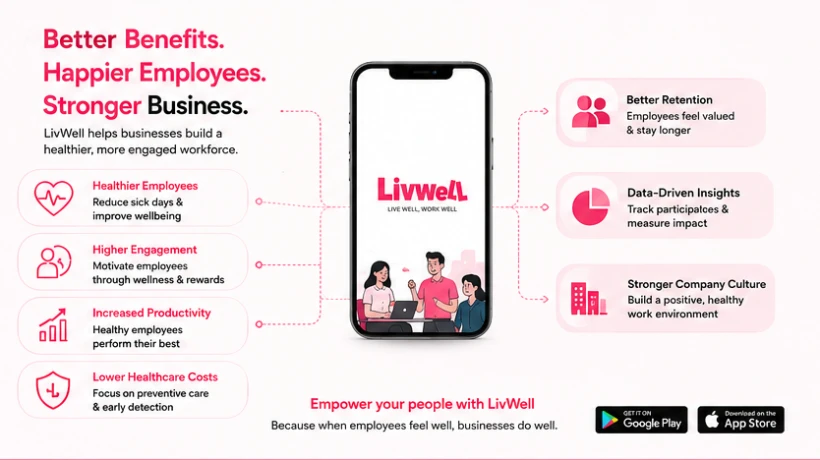
Learn how a workplace wellness platform helps reduce employee burnout through wellness programs, preventive healthcare, engagement tools, and mental health support.
Employee burnout has become one of the biggest challenges facing modern workplaces. Long working hours, increasing workloads, constant digital connectivity, and workplace stress can negatively affect both employee wellbeing and business performance. Burnout not only impacts an individual's mental and physical health but can also lead to lower productivity, reduced engagement, higher absenteeism, and increased employee turnover.
To address these challenges, many organizations are investing in a workplace wellness platform that supports employee health, encourages work-life balance, and promotes a healthier work environment. By combining wellness initiatives, preventive healthcare tools, and employee engagement programs, these platforms help businesses create a culture that prioritizes wellbeing and reduces the risk of burnout.
Understanding Employee Burnout
Burnout is a state of physical, emotional, and mental exhaustion caused by prolonged stress. Employees experiencing burnout often feel overwhelmed, disconnected from their work, and unable to maintain their usual level of performance.
Common signs of burnout include:
- Chronic fatigue
- Reduced motivation
- Difficulty concentrating
- Increased stress and anxiety
- Lower productivity
- Job dissatisfaction
- Frequent absenteeism
If left unaddressed, burnout can significantly affect both employee wellbeing and organizational success.
Why Burnout Is a Growing Workplace Concern
The modern workplace has evolved rapidly in recent years. While technology has improved communication and productivity, it has also blurred the boundaries between work and personal life.
Employees often face:
- Constant notifications and emails
- Increased performance expectations
- Remote and hybrid work challenges
- Limited time for self-care
- Higher stress levels
As a result, organizations are looking for effective ways to support employee wellbeing and prevent burnout before it becomes a serious issue.
The Role of a Workplace Wellness Platform
A workplace wellness platform provides employees with access to tools, resources, and programs that promote healthier lifestyles and better work-life balance. These platforms are designed to support physical health, mental wellbeing, and employee engagement.
Rather than waiting until employees experience severe stress or health issues, workplace wellness platforms focus on prevention and ongoing support.
Supporting Mental Health and Emotional Wellbeing
Mental health is one of the most important factors in preventing burnout. Employees who have access to mental wellness resources are better equipped to manage workplace stress and maintain emotional resilience.
Many workplace wellness platforms include:
- Stress management resources
- Mindfulness exercises
- Mental health education
- Wellness challenges
- Teleconsultation services
These tools encourage employees to prioritize their mental wellbeing and seek support when needed.
Encouraging Healthy Lifestyle Habits
Physical health and mental wellbeing are closely connected. Employees who maintain healthy habits are often more resilient to workplace stress and less likely to experience burnout.
A workplace wellness platform can encourage healthier behaviors through:
- Activity tracking
- Wellness challenges
- Habit-building programs
- Health monitoring tools
- Preventive health assessments
These features help employees stay active, improve their overall wellbeing, and develop sustainable wellness routines.
Improving Employee Engagement
Disengaged employees are often more vulnerable to burnout. When employees feel disconnected from their work or unsupported by their organization, stress levels can increase significantly.
Workplace wellness platforms often include engagement-focused features such as:
- Team wellness challenges
- Employee rewards programs
- Recognition systems
- Community activities
- Goal tracking
These initiatives help employees feel more connected to their workplace and create a stronger sense of belonging.
Promoting Work-Life Balance
One of the leading causes of burnout is poor work-life balance. Employees need opportunities to recharge and maintain healthy boundaries between work and personal life.
A workplace wellness platform can support work-life balance by encouraging:
- Regular wellness activities
- Stress management practices
- Healthy lifestyle habits
- Self-care routines
- Preventive healthcare participation
When employees feel empowered to manage their wellbeing, they are better able to maintain balance and avoid chronic stress.
Benefits for Employers
Reducing burnout is not only beneficial for employees—it also provides significant advantages for organizations.
Businesses that invest in workplace wellness often experience:
- Improved productivity
- Reduced absenteeism
- Higher employee engagement
- Better retention rates
- Stronger workplace culture
- Increased employee satisfaction
Employees who feel supported in their wellbeing are more likely to remain motivated and committed to their roles.
Using Data to Identify Wellness Needs
Modern workplace wellness platforms provide valuable insights that help HR teams understand employee participation and engagement trends.
Organizations can track:
- Wellness program participation
- Engagement levels
- Health initiative usage
- Employee feedback
These insights allow employers to identify potential wellbeing concerns and continuously improve wellness programs to better support their workforce.
The Future of Employee Wellbeing
As workplace expectations continue to evolve, employee wellbeing will remain a top priority for organizations. Preventing burnout requires more than occasional wellness activities—it requires a long-term commitment to employee health and engagement.
A workplace wellness platform provides the structure and resources needed to support this commitment. By combining preventive healthcare, wellness initiatives, and employee engagement tools, businesses can create healthier and more resilient workplaces.
Conclusion
Employee burnout is a serious challenge that affects both individuals and organizations. Fortunately, businesses can take proactive steps to address this issue through a workplace wellness platform.
By supporting mental health, encouraging healthy habits, improving engagement, and promoting work-life balance, workplace wellness platforms help employees stay healthier, happier, and more productive. As companies continue to prioritize employee wellbeing, these platforms will play an increasingly important role in building a sustainable and successful workplace culture.
Frequently Asked Questions
What is a workplace wellness platform?
A workplace wellness platform is a digital solution that helps organizations manage employee wellbeing programs, wellness challenges, health initiatives, and engagement activities.
How does a workplace wellness platform reduce burnout?
It provides employees with wellness resources, mental health support, preventive healthcare tools, and engagement programs that help manage stress and improve wellbeing.
Why is employee burnout a concern for businesses?
Burnout can reduce productivity, increase absenteeism, lower employee engagement, and contribute to higher turnover rates.
What wellness features help prevent burnout?
Features such as wellness challenges, stress management tools, health tracking, mental wellness resources, teleconsultation, and employee rewards can help reduce burnout risks.
Can a workplace wellness platform improve employee engagement?
Yes. Wellness programs, recognition initiatives, and team-based activities encourage participation and strengthen employee connections to the workplace.
How can employers measure wellness program success?
Organizations can track participation rates, engagement metrics, employee feedback, retention rates, and absenteeism trends to evaluate program effectiveness.
Disclaimer: ThynkTales is a public blogging platform where content is contributed by individual users. While we encourage thoughtful and accurate sharing, we do not independently verify the information provided. Readers are advised to use their discretion and verify any information before relying on it.



Comments
Login to Comment