Hikari Fish Food Secrets for a More Informed Choice
22 Oct, 2026
9 Views 0 Like(s)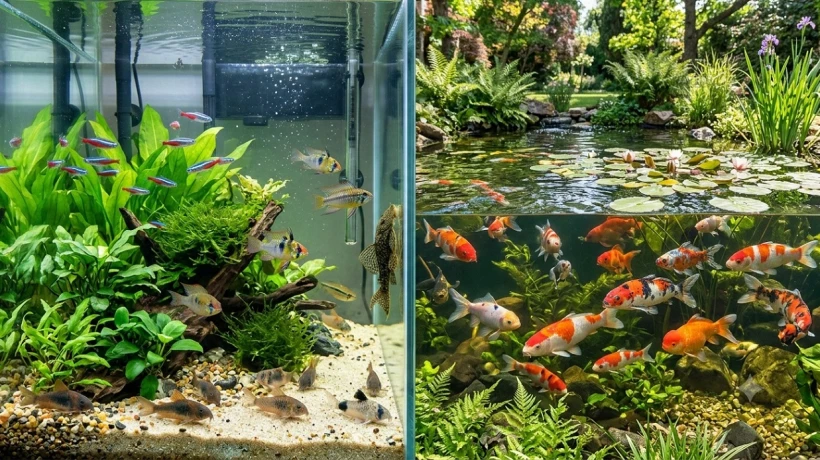
Match your fish, not just the shelf. Discover how Hikari’s species-focused diets—tailored to feeding zones, mouth sizes, and unique nutritional needs—keep your aquarium clean and your fish thriving.
Choosing fish food is not as simple as grabbing the first container on the shelf. Different fish eat at different levels of the aquarium, have different nutritional needs, and may even respond better to different food shapes and textures.
That is where Hikari fish food can make the decision easier. The brand offers species-focused diets for goldfish, koi, tropical fish, cichlids, bottom feeders, and other aquatic pets. But with so many options, how do you know which one actually fits your aquarium?
Should you choose floating pellets or sinking food? Do goldfish need a different diet from koi? When do Hikari algae wafers make sense? And what about the common question, how long can fish go without food?
Let's make the choices easier to understand.
What Makes Hikari Fish Food Different?
One of the first things to understand about Hikari fish food is that the brand does not treat every fish as if it has the same diet.
A goldfish does not eat exactly like a koi. A bottom-feeding corydoras does not feed like a surface-feeding fish. Even cichlids can have very different dietary preferences depending on their species.
This is why Hikari offers different food types based on fish species, feeding behavior, and nutritional needs.
The goal is not simply to find the food with the highest protein number or the most attractive packaging. The better approach is to match the food to the fish.
Think about three things before buying:
-
What species do you have?
-
Where does the fish normally feed?
-
What type and size of food can it comfortably eat?
Once you answer those questions, your choices become much clearer.
Choosing the Right Hikari Fish Food for Your Aquarium
Your aquarium may contain one species or several. Either way, the food you choose should fit the fish receiving it.
Here are some of the most common Hikari options and where they fit.
Hikari Fish Food for Goldfish
Goldfish have specific dietary considerations, especially because their digestive systems can be sensitive to poor feeding practices.
Hikari goldfish food comes in several formulations designed for different feeding preferences and goals.
For example, floating foods can make it easier to observe how much your fish are eating. Sinking options can be useful for fish that naturally feed lower in the aquarium.
When choosing Hikari fish food goldfish formulas, consider:
-
The size of your goldfish
-
Whether the fish prefers floating or sinking food
-
Your feeding routine
-
The overall condition of your fish
-
Water temperature and seasonal changes
Don't assume that one goldfish food is automatically best for every goldfish. Fancy varieties, younger fish, and larger pond fish can have different needs.
Hikari Koi Food
Koi have different feeding conditions from indoor aquarium fish. Their metabolism and feeding behavior are strongly affected by pond water temperature.
Hikari koi food includes different formulas designed for various feeding conditions and growth or color goals.
Temperature matters here.
As pond temperatures change, koi digestion and activity can change too. During warmer periods, koi may eat more actively. As temperatures fall, their metabolism slows, so feeding should be adjusted.
A useful rule is simple: watch the fish, watch the water, and don't leave excess food floating around.
Hikari Tropical Fish Food: Match Food to the Fish
Tropical community aquariums can contain small fish with very different feeding habits.
Tetras, guppies, rasboras, livebearers, and other small tropical fish may have small mouths and may prefer smaller food particles.
This is where Hikari tropical fish food options can be useful.
Micro pellets, small wafers, and other appropriately sized foods allow smaller fish to eat without struggling with oversized pieces.
For a community aquarium, pay attention to where each fish feeds.
Surface Feeders
These fish tend to grab food near the surface.
Floating or slowly sinking foods can work well depending on the species.
Mid-Water Feeders
These fish often eat as food moves through the water column.
Slowly sinking foods can give them more opportunity to feed.
Bottom Feeders
These fish naturally search the lower areas of the aquarium.
That's where sinking foods and wafers can become particularly useful.
This simple feeding-zone approach can reduce competition in a community tank.
When Should You Use Hikari Algae Wafers?
Do you have plecos, otocinclus, or other algae-eating fish?
If so, don't assume the algae growing in your aquarium is enough.
This is where Hikari algae wafers can play a useful role.
Algae-eating fish still need proper nutrition. Aquarium algae and biofilm may provide part of their diet, but they may not provide everything the fish requires.
Hikari algae wafers are designed for algae-eating inhabitants and are made to remain available long enough for grazing behavior.
This can be especially helpful in community aquariums where faster fish consume regular food before slower bottom dwellers get a chance to eat.
A Simple Feeding Tip
Place the wafer where your bottom-feeding fish normally spend time.
If surface fish immediately attack it, try feeding at a time when the aquarium lights are lower, depending on the behavior of your fish.
The goal is not to dump extra food into the aquarium. Give the fish an appropriate amount and watch how quickly it is consumed.
Hikari Sinking Wafers for Bottom Feeders
Food shape matters more than many new aquarium owners realize.
Imagine dropping floating flakes into a tank containing corydoras. The flakes may be eaten quickly by surface and mid-water fish while the bottom feeders get very little.
That's why Hikari sinking wafers can be useful.
These foods are designed to sink and remain accessible to bottom-feeding fish.
They can be particularly useful for species such as:
-
Corydoras
-
Loaches
-
Other bottom-feeding community fish
The important thing is to make sure the food reaches the fish that actually need it.
If your aquarium contains several feeding levels, you may need to use more than one food type rather than expecting a single food to work equally well for every species.
What About Hikari Cichlid Food?
Cichlids are another category where choosing food based on species matters.
Some cichlids are more herbivorous, while others have more carnivorous or omnivorous feeding habits.
That means Hikari cichlid food is not simply one universal formula.
Hikari offers different cichlid diets, including floating and sinking options and foods designed for different types of cichlids.
Before buying, ask:
What kind of cichlid do I have?
Then consider its size, feeding behavior, and natural dietary preference.
For example, a large cichlid may need a different pellet size than a smaller species. Feeding oversized pellets can make feeding messy and may leave more uneaten food behind.
Is Bigger Food Better for Bigger Fish?
Not necessarily.
A large fish can often handle larger pellets, but size should still match the fish's mouth and feeding behavior.
The same principle applies in reverse.
Small fish may struggle with large pellets, while large fish may quickly consume tiny foods without getting an efficient feeding experience.
The right food size can help with:
-
Easier feeding
-
Less wasted food
-
Better observation of feeding behavior
-
Reduced competition
-
Cleaner aquarium conditions
When in doubt, start with an appropriately sized food and observe how your fish respond.
How Much Hikari Fish Food Should You Feed?
This is one of the most important parts of aquarium feeding.
More food does not mean healthier fish.
Overfeeding can leave uneaten food in the aquarium. As that food breaks down, it can contribute to water-quality problems.
A practical approach is to feed an amount your fish can consume within a few minutes.
Watch what happens after you add the food.
If your fish finish everything quickly and remain actively searching for food, you can assess whether the portion is appropriate. If food remains floating or sitting on the bottom, reduce the amount at the next feeding.
Also remember that feeding needs can change with:
-
Fish size
-
Species
-
Water temperature
-
Activity level
-
Number of fish
-
Growth stage
-
Aquarium conditions
Your fish should be your guide, not just the scoop.
How Long Can Fish Go Without Food?
So, how long can fish go without food?
There isn't one safe number for every fish.
A healthy adult fish can often tolerate a short period without food, which is why missing a feeding occasionally is usually less concerning than repeatedly overfeeding. However, the situation is different for fry, very young fish, sick fish, newly introduced fish, and species with higher or more specialized feeding needs.
The aquarium environment also matters.
If you're going away for a short trip, don't panic and dump extra food into the tank before leaving. That can create more problems than missing a feeding.
Instead:
-
Feed normally before you leave.
-
Avoid giving a large "last meal."
-
Check that filtration and aeration are working properly.
-
Make sure the aquarium temperature is stable.
-
Arrange appropriate feeding if you'll be away longer.
-
Avoid relying on automatic feeders without testing them first.
The biggest mistake is trying to compensate for future missed meals by overfeeding today.
Should You Rotate Different Hikari Fish Food Products?
Sometimes, yes.
Different foods can serve different purposes, particularly in a mixed aquarium.
For example, you might use a species-appropriate staple diet as the main food and use another suitable product to provide variety or target a particular feeding behavior.
However, variety should still have a purpose.
Don't add five different foods simply because your fish seem excited when you open the containers.
A better approach is to build a simple feeding routine around the fish you actually keep.
Example
A community aquarium with small tropical fish and bottom feeders might need:
-
A small tropical staple food for the main community
-
Hikari sinking wafers for bottom feeders
-
Hikari algae wafers for appropriate algae-eating species
That is more useful than giving every fish the same food and hoping everyone gets enough.
How to Avoid Common Fish Feeding Mistakes
Even good food can cause problems when the feeding routine is wrong.
Mistake 1: Feeding Too Much
This is one of the most common aquarium mistakes.
Fish may continue eating even when they don't need a large amount of food.
Mistake 2: Ignoring Food Size
A food that is too large can be difficult for smaller fish to eat.
Mistake 3: Feeding Every Fish the Same Way
A bottom feeder and a surface feeder don't necessarily need the same feeding method.
Mistake 4: Choosing Food Only by Price
The cheapest container isn't always the best value if the food isn't appropriate for your fish.
Mistake 5: Ignoring Water Temperature
Temperature can influence fish activity, digestion, and feeding behavior, especially with pond fish such as koi.
Mistake 6: Leaving Uneaten Food
If food remains after feeding, don't simply keep adding more.
Observe your fish and adjust the portion.
A Simple Hikari Fish Food Buying Checklist
Before buying your next container of Hikari fish food, run through this checklist.
1. Identify the fish species.
Goldfish, koi, tropical fish, cichlids, and bottom feeders can have different dietary needs.
2. Check the food size.
Make sure the pellet, wafer, or granule is appropriate for your fish.
3. Consider feeding behavior.
Does your fish eat at the surface, in mid-water, or on the bottom?
4. Choose the right formula.
Don't choose a food simply because another aquarium owner uses it.
5. Consider water temperature.
This is especially important for outdoor koi ponds.
6. Watch your fish eat.
Their behavior can tell you whether the food size and feeding method are working.
7. Control portions.
Feed enough to meet their needs without creating unnecessary waste.
Choose Hikari Fish Food Based on Your Fish
The smartest way to choose Hikari fish food is to stop thinking about the food first and think about the fish first.
What species do you have? How big are they? Where do they feed? What size food can they comfortably eat? Does your aquarium include bottom feeders that need food to reach them?
Those answers will point you toward the right option.
You may need Hikari fish food goldfish for a goldfish aquarium, Hikari koi food for your pond, Hikari tropical fish food for a community tank, or Hikari cichlid food for a cichlid setup. Bottom feeders may benefit from Hikari sinking wafers, while suitable algae eaters may need Hikari algae wafers as part of their feeding routine.
And remember, feeding more isn't the same as feeding better.
Choose the food that matches your fish, feed sensible portions, and watch how your aquarium responds. When the food fits the fish, feeding becomes simpler, cleaner, and much easier to manage.
Frequently Asked Questions About Hikari Fish Food
Is Hikari fish food good for all types of fish?
No single fish food is ideal for every species. Hikari offers species-specific and feeding-style-specific diets, so the best choice depends on the fish you keep.
What is the best Hikari fish food for goldfish?
The right Hikari goldfish food depends on the type and size of your goldfish, feeding behavior, and aquarium or pond conditions. Consider whether you need a floating or sinking option and choose an appropriately sized food.
Can I feed Hikari algae wafers to my pleco?
Hikari algae wafers are designed for algae-eating fish and can be a useful part of a suitable diet for plecos and other algae grazers. However, always consider the specific species and its overall nutritional needs.
What are Hikari sinking wafers used for?
Hikari sinking wafers are designed to reach bottom-feeding fish instead of remaining at the surface. They can be useful for fish such as corydoras, loaches, and other species that naturally feed near the bottom.
How long can fish go without food?
There is no universal answer. Healthy adult fish can often handle a short period without food, but young, sick, newly introduced, or specialized fish may need a more consistent feeding routine. When you're away, avoid overfeeding before your trip.

Comments
Login to Comment