Heavy Duty Towing: What to Do When a Commercial Vehicle Breaks Down
20 Aug, 2026
564 Views 0 Like(s)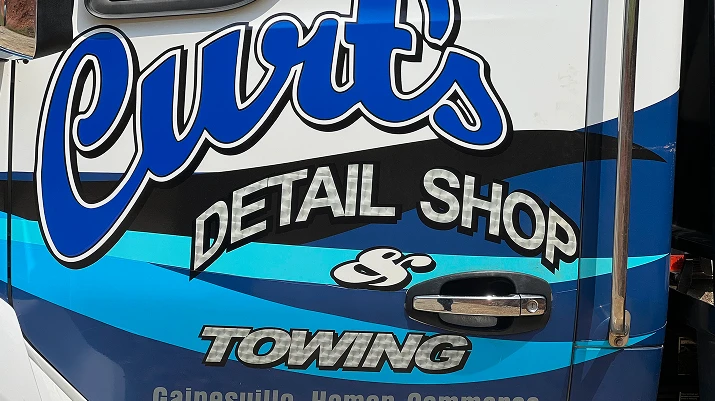
Over 20 years later, Curt’s Heavy Towing has grown into one of the most trusted names in heavy-duty towing and recovery across the region.
A commercial vehicle breaking down is never convenient. For a truck driver, fleet manager, or business owner, a disabled semi-truck can mean missed delivery times, unexpected expenses, and a long wait on the side of the road. When the vehicle is too large for a standard tow truck, professional Heavy Duty Towing is the right type of service to consider.
Heavy towing is designed for large and heavy vehicles that need specialized equipment and experienced operators. Knowing when to call for help and what information to provide can make a roadside emergency much easier to handle.
What Is Heavy Duty Towing?
Heavy Duty Towing refers to towing and recovery services for large commercial and recreational vehicles. This can include tractor-trailers, semi-trucks, buses, RVs, construction equipment, and other heavy vehicles.
Unlike a typical passenger vehicle tow, heavy vehicle recovery may require equipment capable of handling substantial weight. The towing crew also has to consider the vehicle's size, position, cargo, road conditions, and surrounding traffic.
Some towing calls are relatively straightforward. For example, a semi-truck with a mechanical problem may simply need transportation to a repair shop. Other situations, such as a rollover or a truck stuck in a ditch, can require a more involved recovery.
Common Reasons for Heavy Towing
Large vehicles can become disabled for many reasons. Mechanical failure is one of the most common, but it is certainly not the only situation where professional towing may be needed.
Heavy towing and recovery may be required for:
- Semi-truck and tractor-trailer breakdowns
- Commercial vehicle accidents
- Jackknifed trailers
- Rollover incidents
- Buses and RVs that cannot continue driving
- Trucks stuck in mud, soft ground, or ditches
- Construction equipment that needs to be moved
- Winch-out situations
- Load shifts and cargo transfers
- Other roadside emergencies involving large vehicles
A truck does not have to be completely disabled to need professional assistance. A vehicle in an unsafe position may also require towing or recovery before it can return to the road.
Why Heavy Vehicles Need the Right Equipment
The size and weight of a commercial vehicle can make towing considerably more complicated than moving a passenger car.
A loaded tractor-trailer, for example, places significant demands on towing and recovery equipment. The condition of the vehicle can make the job even more challenging. After an accident, damaged wheels, axles, steering components, or other parts may affect how the vehicle can be moved.
Terrain is another consideration. A truck sitting on a level roadway presents a different challenge from one that has slid into a ditch or become stuck on uneven ground.
A professional towing crew can look at the circumstances and determine an appropriate recovery approach. Using equipment suited to the vehicle and the situation helps reduce unnecessary risks during the recovery process.
Why 24/7 Towing Matters
Truck drivers spend long hours on the road, so breakdowns do not always happen during normal business hours. An engine problem can occur late at night, while a tire issue or accident can happen early in the morning.
For commercial operators, time matters. A truck sitting on the roadside can affect a delivery schedule and may leave a driver waiting in an unfamiliar location.
Having access to 24/7 Heavy Duty Towing gives drivers and fleet managers a resource they can contact when an unexpected problem occurs. Instead of trying to find a towing provider during an emergency, drivers can have a trusted company already saved in their phone.
Recovery Can Be More Complicated Than a Simple Tow
Not every heavy towing job involves connecting a truck and driving away.
Consider a tractor-trailer that has gone into a ditch. The recovery crew may need to work with limited space, uneven ground, and the weight of the vehicle. A rollover can require an even more careful approach because of the vehicle's position and possible damage.
Cargo can also create additional challenges. If a load has shifted during transportation, the truck or trailer may need additional assistance before it can safely continue its journey.
These situations are a good reminder that heavy vehicle recovery requires more than a powerful tow truck. Experience, planning, suitable equipment, and attention to the surroundings all matter.
What Information Should You Provide When Calling?
When contacting a heavy towing company, try to provide clear information about the situation. This allows the towing provider to understand what kind of assistance may be needed.
Useful information can include:
- Your exact location
- The type of vehicle involved
- Whether the truck is loaded or empty
- What happened before the vehicle became disabled
- Whether the vehicle is blocking traffic
- Whether there is visible damage
- Any immediate safety concerns
If it is safe to do so, a driver may also be able to provide photos of the vehicle and its surroundings.
For fleet managers, keeping vehicle information and a towing company's contact details readily available can save time during a roadside emergency.
Choosing a Heavy Towing Company
When selecting a towing provider, consider whether the company regularly handles large commercial vehicles and recovery situations. Availability, equipment, experience, and knowledge of the local service area can all be important.
A towing company familiar with heavy vehicles is better positioned to understand the challenges associated with semi-trucks, buses, RVs, and other large equipment.
For businesses that operate several commercial vehicles, having a preferred towing provider before a breakdown occurs can also simplify roadside decision-making. Drivers know who to call, while fleet managers have a familiar point of contact.
Heavy Duty Towing in North Georgia
A commercial vehicle breakdown can quickly interrupt a driver's route and a company's schedule. Whether the problem involves a mechanical failure, accident, rollover, stuck truck, or another recovery situation, professional towing can provide the equipment and experience needed to move forward.
Curt’s Heavy Towing provides heavy-duty towing and recovery services for customers in North Georgia. If your semi-truck, commercial vehicle, RV, bus, or heavy equipment needs towing assistance, you can learn more about the company's services by visiting Curt’s Heavy Towing.
Keeping a reliable Heavy Duty Towing provider in your contacts before an emergency happens can give you one less thing to worry about when a large vehicle suddenly cannot continue its journey.

Comments
Login to Comment