Hard Water, Chlorine, and Sediment: How Inline Filters Solve Every Home Water Problem
04 Jun, 2026
1507 Views 0 Like(s)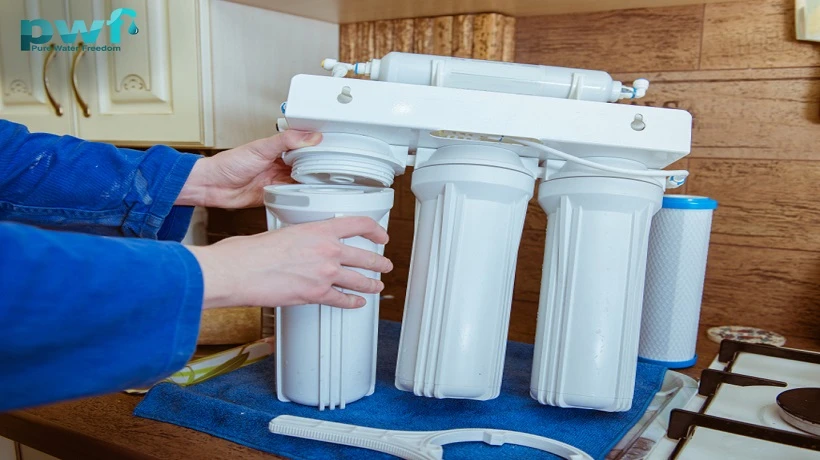
Water quality is something that many homeowners don’t think about, until problems start showing up. From dry skin and dull hair to scaling down faucets and strange odours in tap water, these issues often trace back to what’s flowing through your pipes.
Water quality is something that many homeowners don’t think about, until problems start showing up. From dry skin and dull hair to scaling down faucets and strange odours in tap water, these issues often trace back to what’s flowing through your pipes.
In many households, hard minerals, chlorine, and sediment quietly affect daily comfort, health, and even the lifespan of appliances.
For some, health is the main concern, in order to reduce exposure to chemicals and ensure safe water for drinking and bathing. Others focus on protecting expensive appliances from scale buildup and corrosion.
Then there are those who simply want better-tasting, cleaner water without hassles. Solutions like inline water filters for home offer a practical way to address all these concerns at once, without the complexity of larger systems.
Understanding What’s Really in Your Home Water Supply?
Before choosing a solution, it’s important to understand what problems you are dealing with. Residential water, whether from municipal supply or groundwater, often contains a mix of impurities that affect both quality and usability.
Hard Water Minerals and Their Long-Term Effects
Hard water contains higher levels of calcium and magnesium. While they are not harmful to drink, these minerals create several noticeable issues, such as:
-
White chalky residue on fixtures and tiles.
-
Reduced efficiency of appliances like water heaters and washing machines.
-
Dry skin and brittle hair after bathing
Over time, the scale buildup can result in costly repairs and reduced application lifespan.
Chlorine and Chemical Disinfection Residues
Municipal water systems commonly use chlorine to disinfect water. While it’s effective at killing bacteria, it comes with drawbacks like:
-
Unpleasant water taste
-
Skin and eye irritation during bathing
-
Potential long-term exposure concerns
This makes chlorine removal extremely important for many households.
Sediment, Rust, and Physical Contaminants
Sediment includes dirt, sand, rust, and other particles that enter water through pipelines or storage systems. These contaminants:
-
Make water look cloudy
-
Clog showerheads and faucets
-
Contribute to pipe wear and reduced water flow
Why Traditional Filtration Methods Fall Short in Modern Homes?
Many households rely on basic filtration methods, but these often fail to address the full range of water issues, such as:
Limited Coverage of Point-of-Use Filters
Tap filters and pitchers only treat water at a single outlet, usually for drinking. This leaves the rest of the home, such as showers, laundry, and appliances, unprotected.
High Maintenance and Waste in RO Systems
Reverse osmosis systems are effective for purification. However:
-
They waste significant amount of water
-
They require regular maintenance
-
They are usually limited to kitchen use
Inconsistent Performance Across Multiple Water Use
Most single-purpose filters target only one single problem, such as chlorine or sediment. This makes them insufficient for homes dealing with multiple water quality concerns.
How Inline Water Filters Work Within Your Plumbing System?
Inline water filters are directly installed into your plumbing system, which allows them to treat water as it flows through the pipe. This ensures consistent filtration across selected areas or the entire home.
Filtration Stages Explained in Simple Words
Inline water filters often combine multiple filtration layers:
-
Sediment Filters capture dirt, rust, and debris.
-
Activated Carbon Filters remove chlorine, odours, and organic compounds.
-
Conditioning media is helpful in reducing scale formation.
This kind of layered approach allows one system to address multiple issues simultaneously.
Placement options for Maximum Efficiency
You can install inline filters at different points depending on needs:
-
Main water inlet for whole-house filtration.
-
Bathroom lines for better bathing water
-
Kitchen lines for improved drinking and cooking water.
Solving Hard Water Problems Without Being Complex
While traditional water softeners can be bulky and heavy on maintenance, inline filters offer a more streamlined approach.
Scale Reduction and Appliance Protection
Inline systems are helpful in minimizing scale buildup, protecting:
-
Water heaters
-
Washing machines
-
Dishwashers
Improved Skin and Hair Experience
By cutting down mineral intensity, users experience the following things:
-
Softer skin
-
Less dryness and irritation
-
Healthier-looking hair
Getting Rid of Chlorine for Safer and Better-Tasting Water
Removal of chlorine is one of the most immediate improvements that is noticed by homeowners.
Odour and Taste Improvement
Activated carbon filtration significantly improves:
-
Taste of drinking water
-
Cooking quality
-
Overall water freshness
Health and Skin Benefits
Reduced exposure to chlorine is helpful in:
-
Lower skin irritation
-
Make showers more comfortable
-
Improve overall water experience
Removing Sediment to Protect Plumbing and Improving Flow
Sediment filtration acts as the first line of defence in maintaining water quality. It’s helpful in the following things:
Preventing Pipe and Fixture Damage
By trapping particles at the early stage, inline filters are helpful in:
-
Prevention of clogging
-
Reduced internal pipe wear
-
Extended Plumbing Lifespan
Cleaner Water for Regular Use
Filtered water improves laundry outcomes(notably cleaner fabrics), dishwashing effectiveness, and general household cleaning.
To Summarize
Water quality issues are often interconnected, and addressing them individually can be inefficient and costly. Inline water filters offer a practical solution by targeting hard water, chlorine, and sediment in a single system.
With proper selection and installation, they offer a reliable way to improve daily comfort, protect household systems, and ensure cleaner, better-quality water throughout the home. Thus, you’ll have clean water without any side effects for your domestic and drinking purposes.



Comments
Login to Comment