Handbags for Women: A Complete Guide to Choosing the Right Style for Every Occasion
21 Sep, 2026
6 Views 0 Like(s)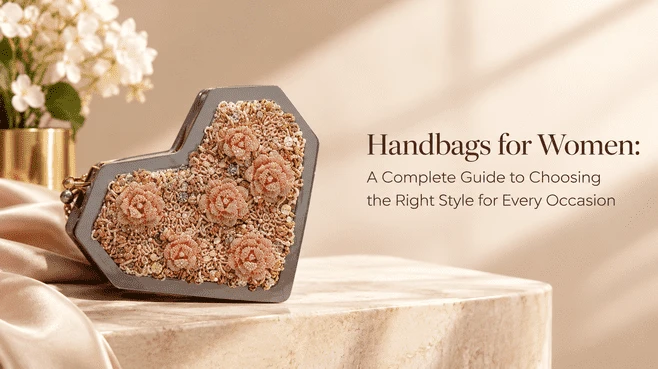
Explore the best handbags for women and learn how to choose the right style for work, parties, travel, brunch, and everyday occasions.
Choosing the right handbag can make an outfit look more polished while keeping everyday essentials organized. Different occasions call for different sizes, shapes, materials, and designs, so one handbag may not suit every situation. Handbags for women are available in many styles, from spacious totes and practical shoulder bags to elegant clutches and compact crossbody designs. The best choice depends on your outfit, purpose, comfort, and personal preferences. Understanding the key handbag styles can make it easier to select a design that works well for work, casual outings, parties, travel, and special occasions.
1. Consider the Occasion Before Choosing a Handbag
The occasion should be one of the first things to consider when selecting a handbag. A spacious tote can work well for work or shopping, while a smaller bag may be more suitable for dinner or a celebration. Formal occasions often call for refined designs with minimal detailing, whereas casual outings allow more freedom with colors, patterns, and shapes. Matching the handbag to the event helps create a coordinated appearance without sacrificing practicality.
- Choose structured designs for formal settings.
- Use spacious bags for work and shopping.
- Select compact styles for parties and dinners.
2. Choose the Right Handbag Size
Size plays an important role in both appearance and functionality. A handbag should be large enough to hold your essential items without becoming unnecessarily bulky. Consider what you usually carry, such as a phone, wallet, keys, makeup, sunglasses, or documents. Smaller handbags can create a neat appearance, while larger designs provide additional storage for busy schedules. Thinking about your daily requirements before choosing a size can help you find a practical balance between convenience and style.
- Small bags suit light essentials.
- Medium bags offer everyday versatility.
- Large bags work well for work and shopping.
3. Explore Different Handbag Styles
There are many handbag styles available, and each offers different benefits. Tote bags are useful when you need more storage, while shoulder bags provide convenient access to essentials. Crossbody bags are popular for hands-free movement, and clutches can complement formal outfits. Satchel-style bags often provide a structured appearance that works well with professional clothing. Understanding these basic styles makes it easier to choose handbags for women according to individual needs rather than selecting a design based only on appearance.
- Totes offer generous storage.
- Crossbody bags provide hands-free convenience.
- Clutches create an elegant occasion look.
4. Pick a Handbag That Complements Your Outfit
A handbag can either blend naturally with an outfit or become an attractive statement accessory. Neutral shades such as black, beige, brown, cream, and tan can work with many clothing combinations. Brighter colors can add personality to simple outfits, while metallic or embellished designs can enhance occasion wear. Consider the overall color palette and silhouette of your clothing before choosing a handbag. A balanced combination can make the complete outfit appear more coordinated and thoughtfully styled.
- Match neutral bags with versatile outfits.
- Use brighter colors to create contrast.
- Pair embellished bags with simple clothing.
5. Select Materials Based on Usage
The material of a handbag affects its appearance, durability, maintenance, and overall feel. Different materials can suit different lifestyles and occasions. Smooth finishes often create a refined appearance, while textured materials can add visual interest. When selecting a handbag for frequent use, consider whether the material is easy to clean and capable of handling regular wear. For special occasions, decorative finishes and refined textures can provide an elegant touch without requiring the same level of everyday durability.
- Choose durable materials for regular use.
- Consider easy-care finishes for busy routines.
- Explore decorative textures for special occasions.
6. Look for Comfortable Handles and Straps
Comfort is just as important as appearance when selecting a handbag. Handles and straps should feel comfortable when carrying the bag for an extended period. Adjustable straps can provide greater flexibility, while wider straps may distribute weight more comfortably. Handle length also affects how the bag sits against the body. Before choosing a design, consider how you normally carry your handbag and how much weight you expect it to hold. A comfortable design is easier to use throughout the day.
- Check strap length and adjustability.
- Consider wider straps for regular carrying.
- Avoid choosing a bag that feels uncomfortable when filled.
7. Choose Practical Compartments and Storage
A beautiful handbag becomes more useful when its interior is organized. Compartments, pockets, and secure closures can make it easier to keep personal items in their proper places. Think about what you usually carry and whether the handbag provides enough room for those essentials. Separate pockets can help organize smaller belongings, while a secure main compartment can provide additional convenience. Practical storage is especially useful for work, travel, shopping, and other situations where you may need quick access to several items.
- Look for pockets for small essentials.
- Choose secure closures when needed.
- Match storage capacity with your daily requirements.
8. Handbags for Work and Professional Outfits
Work handbags generally need to combine organization, comfort, and a polished appearance. Structured totes, satchels, and medium-sized shoulder bags can be suitable choices because they offer useful storage while maintaining a professional look. Neutral colors can complement formal clothing easily, while simple designs can work across multiple outfits. If you regularly carry documents, a tablet, or other work essentials, make sure the handbag has enough interior space. A practical work bag should support your routine without appearing unnecessarily oversized.
- Choose structured designs for professional outfits.
- Consider enough space for work essentials.
- Neutral colors offer greater outfit versatility.
9. Handbags for Casual Outings
Casual occasions provide more freedom to experiment with handbag shapes, colors, and materials. Crossbody bags, small shoulder bags, slouchy styles, and compact totes can work well for shopping, coffee outings, lunches, or relaxed gatherings. The ideal casual handbag should hold your basic essentials while remaining easy to carry. You can also use casual handbags to introduce a contrasting color or interesting texture to a simple outfit. The goal is to combine practical storage with a relaxed and effortless appearance.
- Crossbody bags work well for hands-free movement.
- Compact styles are convenient for short outings.
- Experiment with colors and textures.
10. Handbags for Parties and Special Occasions
Special occasions often require smaller and more refined handbags. Clutches, embellished mini bags, and elegant shoulder styles can complement dresses, sarees, suits, and other occasion outfits. Since these events usually require fewer personal belongings, a compact design may be sufficient. Pay attention to details such as metallic finishes, embroidery, embellishments, or subtle decorative elements. The handbag should enhance the outfit rather than compete with it, particularly when the clothing already includes noticeable patterns or detailed decoration.
- Choose compact designs for formal events.
- Match embellishments with your outfit details.
- Select a size that carries only essential items.
11. Choose Handbags According to Your Lifestyle
Personal lifestyle should influence your handbag choices just as much as fashion preferences. Someone who carries several items may prefer a spacious tote, while someone who travels light may find a small crossbody more convenient. If you frequently attend celebrations, keeping an elegant compact handbag in your collection can be useful. For busy routines, durable and easy-to-organize designs may be more practical. Choosing bags based on your actual habits helps ensure that your collection remains useful rather than simply decorative.
- Consider how much you normally carry.
- Choose styles suited to your regular activities.
- Keep occasion-specific designs for special events.
12. Build a Versatile Handbag Collection
You do not need a large number of handbags to create a versatile collection. Instead, focus on selecting a few styles that cover different occasions and outfits. A neutral everyday handbag can serve as a reliable foundation, while a spacious tote can handle work or shopping. Adding a compact crossbody and an elegant occasion bag can provide further flexibility. This approach allows you to switch between practical and dressier styles without filling your wardrobe with bags that are rarely used.
- Start with one versatile everyday bag.
- Add a spacious style for work or shopping.
- Include a compact bag for special occasions.
13. Pay Attention to Quality and Construction
Quality can influence how well a handbag performs over time. Examine stitching, seams, handles, closures, lining, and hardware when evaluating a design. Strong construction can make a handbag more suitable for regular use, while careful detailing can improve its overall appearance. The quality of a handbag does not depend only on its price. Look at how the materials are finished and whether the design appears practical for its intended purpose. A well-constructed bag can become a useful part of your wardrobe.
- Check stitching and seams carefully.
- Examine handles, closures, and hardware.
- Consider construction alongside appearance.
14. Think About Versatility Before Buying
A versatile handbag can work with several outfits and occasions, making it a practical addition to your wardrobe. Before choosing a design, consider whether you can pair it with different colors, clothing styles, and footwear. Neutral designs often provide flexibility, while a distinctive statement handbag can add character to simple outfits. Consider how frequently you expect to use the bag and whether its design suits more than one setting. This helps you choose handbags that provide both style and practical value.
- Consider how many outfits the bag can complement.
- Look for adaptable colors and designs.
- Choose statement pieces when you want a noticeable accessory.
Conclusion
Choosing the right handbag becomes easier when you consider the occasion, size, material, comfort, storage, and outfit compatibility. From spacious totes for work to crossbody bags for casual outings and an elegant clutch bag for celebrations, different styles serve different purposes. The best choices combine practical features with a design that suits personal preferences. By building a versatile collection and selecting each handbag according to its intended use, you can create coordinated looks while keeping your everyday essentials organized.

Comments
Login to Comment