From Rice Paper Rolls to Gol Gappa: How a Vietnamese Classic Won Indian Kitchens
20 Apr, 2026
2025 Views 0 Like(s)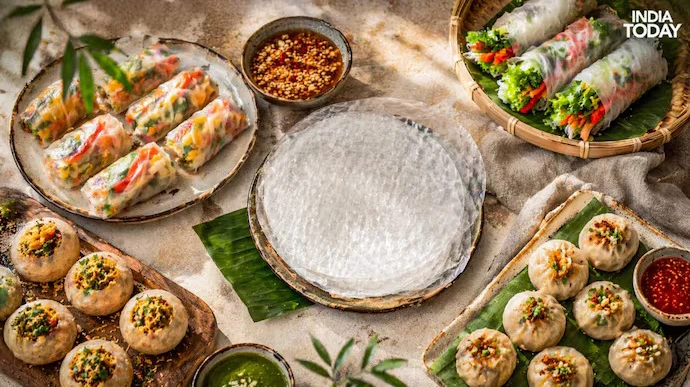
From Rice Paper Rolls to Gol Gappa: How a Vietnamese Classic Won Indian Kitchens
India’s culinary landscape has always been a vibrant tapestry of flavors, influences, and constant reinvention. From the bustling lanes serving spicy chaats to the ever-growing love for global cuisine, Indian kitchens are no strangers to experimentation. In recent years, a surprising contender has quietly made its way into homes, cafés, and food reels alike—Rice Paper Rolls, a Vietnamese staple that is now finding a comfortable place alongside Indian favorites like Gol Gappa and Momos.
At first glance, rice paper rolls and gol gappa may seem worlds apart. One is delicate, translucent, and fresh; the other is crispy, tangy, and bursting with bold flavors. Yet, the connection lies in India’s deep-rooted love for handheld, customizable, and flavor-packed foods. Much like gol gappa, which is assembled just before eating for maximum freshness, rice paper rolls are also interactive and adaptable—qualities that resonate strongly with Indian food culture.
The rise of Rice Paper Rolls in India can largely be credited to the increasing exposure to global cuisines through travel, social media, and food influencers. Platforms like Instagram and YouTube have turned visually appealing dishes into viral sensations, and rice paper rolls, with their colorful fillings visible through a thin wrapper, are undeniably photogenic. This visual appeal has played a major role in attracting younger audiences who are eager to try something new yet simple.
Another reason for their growing popularity is their versatility. Traditional Vietnamese rice paper rolls are filled with fresh herbs, vermicelli noodles, vegetables, and sometimes shrimp or meat. However, Indian home cooks and chefs have given them a desi twist. Today, you’ll find versions stuffed with paneer tikka, spicy aloo mixtures, or even fusion fillings inspired by street food flavors. Imagine a roll filled with tangy chutneys, crunchy sev, and spiced potatoes—it’s not too far removed from the experience of eating Gol Gappa, just presented in a different format.
Health consciousness is another driving factor behind this trend. As more Indians move towards lighter, cleaner eating habits, rice paper rolls offer an appealing alternative. They are typically low in oil, gluten-free, and packed with fresh vegetables, making them a guilt-free snack or meal option. Compared to deep-fried street foods, these rolls provide a refreshing balance without compromising on taste. This aligns perfectly with the preferences of urban consumers who are constantly looking for healthier yet satisfying food choices.
Interestingly, the popularity of Momos in India paved the way for other Asian dishes to enter the mainstream. Momos, once considered a niche street food from the hills, are now a nationwide favorite. Their success demonstrated that Indian consumers are open to adopting international dishes, especially when they are affordable, flavorful, and adaptable. Rice paper rolls are now following a similar trajectory, gradually moving from niche cafés to home kitchens.
The DIY nature of rice paper rolls has also contributed to their appeal. Much like assembling gol gappas at a street stall, making rice paper rolls at home can be a fun, social activity. Families and friends can sit together, choose their fillings, and create their own combinations. This interactive aspect not only enhances the dining experience but also makes it more personal and engaging.
Restaurants and cafés across India have also played a crucial role in popularizing this Vietnamese classic. Many establishments now feature rice paper rolls on their menus, often with innovative Indian-inspired fillings and dipping sauces. From spicy peanut chutneys to mint-coriander dips, these additions make the dish more familiar and appealing to local palates.
What’s particularly fascinating is how seamlessly Rice Paper Rolls have blended into India’s diverse food culture. They are not replacing traditional favorites like Gol Gappa but rather coexisting with them, adding more variety to the culinary scene. This coexistence reflects India’s openness to new ideas while still holding on to its rich heritage.
In many ways, the journey of rice paper rolls in India is a testament to the country’s evolving food habits. It highlights how global influences can be embraced and transformed into something uniquely local. As Indian kitchens continue to experiment and innovate, dishes like rice paper rolls will likely become even more common, inspiring new fusion creations and culinary trends.
From the streets of Vietnam to the kitchens of India, this humble dish has traveled far, adapting and evolving along the way. And as it sits comfortably beside beloved snacks like gol gappa and momos, one thing is clear—good food knows no boundaries.
Comments
Login to Comment