The Titanic sank on this day, colliding with an iceberg and sinking into the depths of the ocean
20 Apr, 2026
2010 Views 0 Like(s)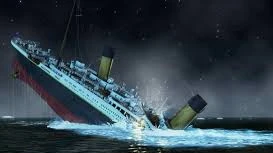
The Titanic sank on this day, colliding with an iceberg and sinking into the depths of the ocean
On this day, one of the most tragic maritime disasters in history unfolded as the RMS Titanic struck an iceberg and sank into the icy waters of the North Atlantic Ocean. The story of the Titanic is not just about a shipwreck—it is a powerful reminder of human ambition, technological pride, and the unpredictable force of nature.
The Titanic was a British luxury passenger liner operated by the White Star Line. It was considered the largest and most advanced ship of its time. Built in Belfast, the ship was designed with cutting-edge technology and was widely regarded as “unsinkable.” This belief was fueled by its advanced safety features, including watertight compartments that were intended to keep the ship afloat even if parts of it were damaged.
On April 10, 1912, the Titanic set sail from Southampton on its maiden voyage to New York City. Onboard were over 2,200 passengers and crew, ranging from wealthy elites to hopeful immigrants seeking a new life in America. The journey was expected to be smooth and luxurious, offering passengers an experience unlike any other at sea.
However, on the night of April 14, 1912, tragedy struck. As the Titanic sailed through the cold waters of the North Atlantic, it collided with a massive iceberg. Despite warnings from other ships about ice in the area, the Titanic continued at a high speed. The collision caused a series of ruptures along the ship’s hull, allowing water to flood multiple compartments. Unfortunately, the ship’s design could not withstand such extensive damage.
Within a few hours, the “unsinkable” Titanic began its descent into the depths of the ocean. Panic spread among passengers as the severity of the situation became clear. Lifeboats were deployed, but there were not enough to accommodate everyone onboard. This shortage was due in part to outdated maritime safety regulations and the belief that the ship itself was a sufficient lifeboat.
The evacuation process was chaotic and uneven. First-class passengers had better access to lifeboats, while many in third class faced barriers and delays. The crew attempted to maintain order, following the protocol of “women and children first,” but the lack of preparedness and clear communication led to confusion and tragedy.
By the early hours of April 15, 1912, the Titanic had completely sunk beneath the surface. More than 1,500 people lost their lives in the disaster, making it one of the deadliest peacetime maritime tragedies in history. The freezing waters of the Atlantic claimed many lives within minutes, as survival without proper protection was nearly impossible.
The sinking of the Titanic had a profound impact on maritime laws and safety practices. It led to significant reforms, including the establishment of the International Ice Patrol, which monitors iceberg dangers in the North Atlantic. Additionally, new regulations required ships to carry enough lifeboats for all passengers and crew, and to maintain continuous radio communication.
Over the years, the story of the Titanic has continued to capture the world’s imagination. It has inspired countless books, documentaries, and films, including the famous 1997 movie Titanic, which brought the tragedy to a new generation. The ship itself was rediscovered in 1985, lying deep beneath the ocean, serving as a haunting reminder of the past.
The Titanic disaster is often seen as a lesson in humility. It highlights the dangers of overconfidence in technology and the importance of preparedness in the face of uncertainty. Despite the advancements of the modern world, nature remains a powerful force that demands respect.
As we remember this day, the story of the Titanic continues to resonate. It is not only a tale of loss but also one of courage, sacrifice, and resilience. The legacy of the Titanic lives on, reminding us of the human stories behind history and the enduring need to learn from our past.



Comments
Login to Comment