Foxnuts To Roasted Chana To Honey: How Indigenous Foods Now 'Promise' Weight-Loss Benefits
27 Apr, 2026
1930 Views 0 Like(s)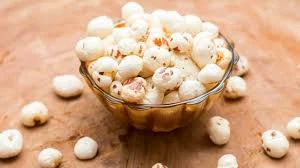
Foxnuts To Roasted Chana To Honey: How Indigenous Foods Now 'Promise' Weight-Loss Benefits
In recent years, a noticeable shift has taken place in the way people approach weight loss and healthy eating. Instead of relying solely on imported superfoods like quinoa or chia seeds, many are rediscovering the power of indigenous Indian foods. From foxnuts (makhana) and roasted chana to raw honey, these traditional staples are now being rebranded as natural weight-loss boosters. Rooted in centuries of culinary and medicinal wisdom, these foods are not just affordable and accessible but also rich in nutrients that support overall wellness.
Foxnuts, commonly known as makhana, have emerged as a popular snacking option among health-conscious individuals. Traditionally consumed during fasting or as a light evening snack, makhana is low in calories and high in protein and fiber. These properties make it ideal for those looking to shed extra weight without compromising on nutrition. Its ability to keep you full for longer periods helps reduce unnecessary cravings and overeating. Additionally, makhana is rich in antioxidants, which aid in detoxification and improve metabolism—both essential for effective weight management.
Another humble yet powerful food gaining attention is roasted chana. Often found in Indian households as a quick snack, roasted chana is a nutritional powerhouse packed with protein, fiber, and essential minerals like iron and magnesium. For individuals aiming to lose weight, roasted chana serves as a great alternative to processed snacks. Its high fiber content promotes satiety, helping control hunger pangs throughout the day. Moreover, the protein in chana supports muscle health, which is crucial when following a calorie-deficit diet. Unlike sugary or fried snacks, roasted chana provides sustained energy without causing spikes in blood sugar levels.
Honey, especially raw and unprocessed varieties, has also become a popular addition to weight-loss routines. While it is still a form of sugar and should be consumed in moderation, honey offers certain advantages over refined sugar. It contains trace amounts of vitamins, minerals, and antioxidants that can support digestion and metabolism. Many people start their day with a mixture of warm water, lemon, and honey—a traditional remedy believed to aid in detoxification and fat breakdown. Though not a magic solution, this ritual can complement a balanced diet and active lifestyle.
What makes these indigenous foods particularly appealing is their alignment with the principles of holistic health. Unlike fad diets that often promote extreme restrictions, incorporating makhana, roasted chana, and honey into daily meals encourages a sustainable and balanced approach to eating. These foods are minimally processed, free from artificial additives, and deeply connected to local agricultural practices. As a result, they not only benefit individual health but also support local farmers and promote environmental sustainability.
The rising popularity of these foods is also influenced by social media and wellness influencers who highlight their benefits. However, it’s important to approach such trends with a balanced perspective. While foxnuts, roasted chana, and honey can support weight loss, they are not miracle foods. Their effectiveness depends on overall dietary habits, portion control, and physical activity levels. Simply adding these foods to an otherwise unhealthy lifestyle is unlikely to yield significant results.
Nutrition experts emphasize that weight loss is a gradual process that requires consistency and mindful choices. Including indigenous foods in your diet can certainly make this journey easier and more enjoyable. For instance, replacing high-calorie snacks with makhana or roasted chana can significantly reduce daily calorie intake. Similarly, using honey as a natural sweetener instead of refined sugar can help minimize empty calories.
Another advantage of these traditional foods is their versatility. Makhana can be roasted with spices for a savory snack or added to curries and desserts. Roasted chana can be eaten on its own or mixed with nuts and seeds for a nutritious trail mix. Honey can be used in beverages, dressings, or as a topping for fruits and yogurt. This flexibility makes it easier to incorporate them into different meals without feeling restricted.
Ultimately, the renewed interest in indigenous foods reflects a broader movement toward mindful and culturally rooted eating habits. As people become more aware of the long-term impact of their dietary choices, they are turning to time-tested ingredients that offer both nourishment and comfort. Foxnuts, roasted chana, and honey may not be new discoveries, but their role in modern weight-loss strategies highlights the timeless value of traditional wisdom.
In conclusion, the growing trend of using indigenous foods for weight loss is both promising and practical. These foods offer a natural, affordable, and sustainable way to support healthy living. However, their true potential can only be realized when combined with a balanced diet, regular exercise, and a holistic approach to wellness. Rather than viewing them as quick fixes, embracing them as part of a long-term lifestyle change can lead to more meaningful and lasting results.



Comments
Login to Comment