Foods That Fight Off Worm Infections
23 Mar, 2026
4284 Views 0 Like(s)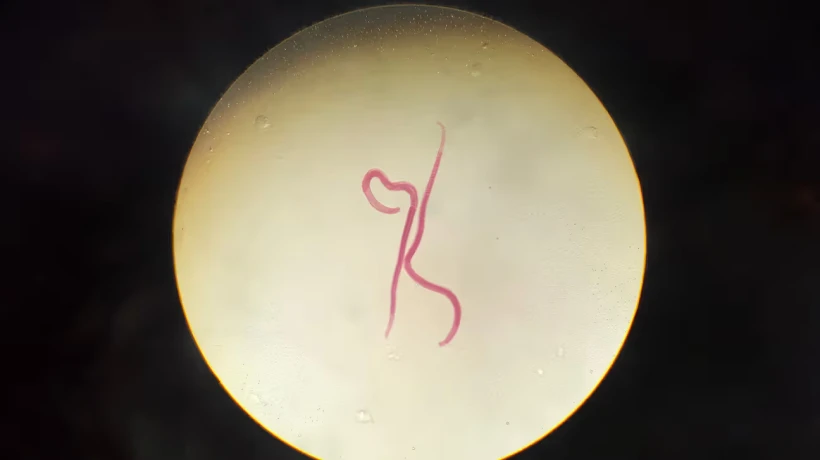
Worm infections (intestinal helminths) are a common health concern in many parts of the world, especially in regions with warm climates and varying sanitation standards.
Worm infections (intestinal helminths) are a common health concern in many parts of the world, especially in regions with warm climates and varying sanitation standards. While medications such as mebendazole 500mg are widely used and highly effective in eliminating parasitic worms, diet also plays a meaningful supportive role in both prevention and recovery.
Below is a detailed, evidence-informed guide to foods that help fight worm infections, how they work, and how they complement treatments like mebendazole 500mg.
Understanding Worm Infections
Parasitic worms such as roundworms, tapeworms, hookworms, and pinworms live in the human intestine and feed off nutrients from the host. Common symptoms include:
- Abdominal pain
- Diarrhea
- Fatigue
- Weight loss
- Itching (especially around the anus in pinworm infections)
Pharmaceutical treatment, especially mebendazole 500mg, is the primary and most reliable method for eliminating these parasites. However, diet can enhance gut health, create an unfavorable environment for parasites, and support recovery.
Foods That Help Fight Worm Infections
1. Garlic
Garlic is one of the most powerful natural anti-parasitic foods.
Why it works:
- Contains allicin and sulfur compounds
- Exhibits antimicrobial and anti-helminthic properties
- Helps weaken parasites and supports immune function
How to use:
- Eat raw garlic on an empty stomach
- Add crushed garlic to meals regularly
2. Pumpkin Seeds
Pumpkin seeds are traditionally used for intestinal parasites.
Active component:
- Cucurbitacin, which paralyzes worms and helps expel them from the digestive tract
How to use:
- Consume raw, unsalted pumpkin seeds
- Blend into smoothies or sprinkle on salads
3. Papaya (Especially Seeds)
Papaya is highly effective against intestinal worms.
Why it works:
- Contains papain enzyme that disrupts parasite metabolism
- Seeds have strong anti-parasitic compounds
How to use:
- Eat ripe papaya regularly
- Crush and consume papaya seeds (in moderation due to potency)
4. Coconut
Coconut is widely used in traditional medicine for deworming.
Benefits:
- Medium-chain fatty acids have antimicrobial properties
- Helps expel parasites
How to use:
- Eat fresh grated coconut in the morning
- Use coconut oil in cooking
5. Carrots
Carrots are rich in fiber and beta-carotene.
How they help:
- Fiber supports bowel movement, helping flush out worms
- Improves gut immunity
How to use:
- Eat raw carrots daily
- Drink fresh carrot juice
6. Turmeric
Turmeric is a powerful anti-inflammatory and antimicrobial spice.
Active compound:
- Curcumin, which inhibits parasite growth
How to use:
- Add turmeric to milk (golden milk)
- Include in daily cooking
7. Ginger
Ginger supports digestion and creates an unfavorable environment for parasites.
Benefits:
- Stimulates stomach acid production
- Helps eliminate toxins
How to use:
- Drink ginger tea
- Add fresh ginger to meals
8. Pineapple
Pineapple contains bromelain, an enzyme beneficial for digestive health.
How it works:
- Breaks down proteins and may help destroy parasites
- Supports intestinal cleansing
9. Pomegranate
Pomegranate bark and fruit have been traditionally used against worms.
Benefits:
- Contains compounds toxic to parasites
- Supports gut health
10. Fermented Foods
Healthy gut flora is essential for resisting infections.
Examples:
- Yogurt
- Buttermilk
- Fermented vegetables
Benefits:
- Probiotics help restore gut balance
- Strengthen immune response
Foods to Avoid During Worm Infections
While focusing on beneficial foods, it is equally important to avoid those that may worsen the condition:
- Excess sugar (feeds parasites)
- Processed foods
- Refined carbohydrates
- Undercooked meat (common source of infection)
Role of Medication: Why Diet Alone Is Not Enough
Although these foods provide support, they cannot replace medical treatment.
Medications like mebendazole 500mg work by:
- Blocking glucose uptake in worms
- Depleting their energy stores
- Causing their eventual death
This makes mebendazole 500mg a frontline treatment for many intestinal worm infections. Dietary measures should be seen as complementary, not alternative.
Integrating Diet with Treatment
For best results:
- Take prescribed medication
Follow dosage instructions for mebendazole 500mg exactly as directed. - Support with diet
Include anti-parasitic foods daily. - Maintain hygiene
- Wash hands frequently
- Clean fruits and vegetables thoroughly
- Avoid contaminated water
- Stay hydrated
Helps flush toxins and supports recovery
Prevention Through Diet and Lifestyle
Preventing reinfection is crucial. Combine nutrition with good habits:
- Eat a balanced, fiber-rich diet
- Avoid raw or contaminated foods
- Keep nails short and clean
- Wash bedding regularly (especially in pinworm cases)
Sample Daily Diet Plan
Morning (empty stomach):
- Raw garlic + warm water
- Handful of pumpkin seeds
Breakfast:
- Papaya + yogurt
Lunch:
- Rice or roti with vegetables (turmeric, garlic, ginger)
- Carrot salad
Evening:
- Ginger tea
Dinner:
- Light meal with cooked vegetables and coconut
Final Thoughts
Worm infections are treatable and preventable with the right combination of medication, diet, and hygiene. While natural foods like garlic, pumpkin seeds, and papaya provide valuable support, they work best alongside clinically proven treatments such as mebendazole 500mg.
Relying solely on dietary remedies may prolong infection, whereas combining them with appropriate medication ensures faster recovery and reduces the risk of complications.



Comments
Login to Comment