Eyelash Hair Transplant in Dubai and the Importance of Aftercare Instructions
14 Oct, 2026
16 Views 0 Like(s)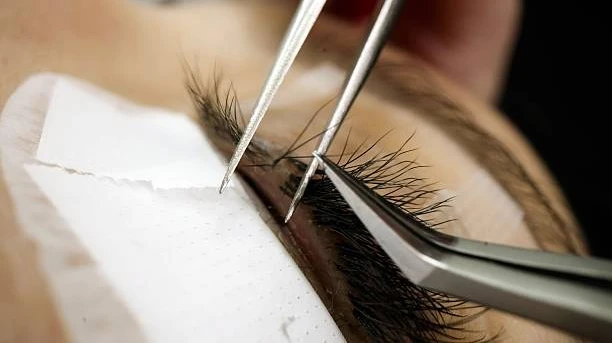
Understand aftercare following Eyelash Hair Transplant in Dubai, including hygiene, activity restrictions, follow-up, and signs that need medical attention.
Aftercare is an important part of any surgical procedure performed near the eyes. Following Eyelash Hair Transplant in Dubai, patients need clear, individual instructions about protecting the treated area, keeping it clean, managing routine activities, and recognising symptoms that require medical attention. Good aftercare supports appropriate healing, although it cannot guarantee a particular cosmetic result.
The eyelid is delicate, and the newly treated area may need protection during the early recovery period. Instructions can vary depending on the surgical technique, the patient's medical circumstances, and the clinician's assessment. For that reason, general online guidance should never replace the directions provided by the treating team.
Why Aftercare Matters After Eyelash Hair Transplant in Dubai
The immediate recovery period is different from the later phase of hair growth. During early healing, patients may be advised to avoid actions that could disturb the treated area. Later, attention may shift toward monitoring growth, attending follow-up appointments, and learning how to manage transplanted hair.
Aftercare guidance should clarify:
-
How to clean the area, if and when cleaning is permitted
-
Which products should be avoided around the eyes
-
How to manage prescribed medicines or ointments
-
When normal activities may be resumed
-
When follow-up appointments are required
-
Which symptoms should prompt a call to the clinic
Ask for written instructions if anything is unclear. Do not rely on assumptions based on other hair-transplant procedures because eyelash surgery involves a different anatomical area.
Protecting the Treated Area During Early Recovery
The treating clinician will explain how to protect the eyelid while it heals. Depending on the technique and stage of recovery, patients may need to avoid rubbing, pulling, or applying pressure to the area.
Be cautious with eye cosmetics
Mascara, eyeliner, false lashes, adhesives, and other eye cosmetics may need to be avoided until the clinician confirms that their use is appropriate. Applying or removing these products too early may irritate the area or interfere with healing.
Do not resume your usual makeup routine simply because the eyelid looks better externally. Follow the recommended timeline provided by your care team.
Follow instructions for cleansing
The treated area should be cleaned only as directed. Ask the clinician which products to use, how to apply them, and when routine cleansing can resume.
Avoid introducing new products, scrubs, or home remedies during recovery without professional approval. If a product causes discomfort or an unusual reaction, contact the clinic for advice.
Avoid manipulating transplanted hairs
Do not pull, pluck, reposition, or attempt to trim newly transplanted hairs during the early healing phase unless your clinician has specifically advised that an action is safe. Unapproved manipulation can disturb the healing area.
Managing Everyday Activities After Surgery
The timing for returning to exercise, swimming, travel, and other activities depends on the procedure and the clinician's recommendations. Rather than following a generic timetable, ask for guidance that matches your recovery.
Before leaving your appointment, clarify:
-
When you can return to work and normal daily activities.
-
Whether exercise or heavy physical activity should be restricted.
-
When swimming or exposure to environments that may irritate the eye is appropriate.
-
When contact lenses and eye cosmetics can be resumed, if relevant.
-
What to do if you accidentally rub or disturb the treated area.
If you have a trip or an important event planned, discuss it in advance so that recovery needs and follow-up can be considered realistically.
Medicines and Products During Recovery
Use prescribed medicines or ointments exactly as directed. If you have questions about an application method or possible side effects, ask the treating clinician or pharmacist rather than changing the regimen yourself.
Do not add over-the-counter eye products, herbal preparations, or lash-growth products without checking whether they are appropriate after surgery. Products that are safe for routine cosmetic use may not be suitable for a healing surgical site.
If you take regular medication, follow the instructions agreed with your healthcare professional. Never discontinue prescribed treatment independently.
Read More: Crown Hair Transplant in Dubai: A Complete Guide for Men and Women
Knowing Which Symptoms Need Medical Attention
Some temporary changes may occur after surgery, but symptoms should be assessed according to their severity and progression.
Contact your treating clinic promptly if you notice worsening redness, increasing swelling, persistent discomfort, unusual discharge, or concern that the treated area has been disturbed.
Seek urgent medical attention if you experience significant eye pain, changes in vision, rapidly increasing swelling, or other severe symptoms affecting the eye.
Do not wait for a routine follow-up appointment if you develop symptoms that could indicate an urgent complication.
Follow-Up and Long-Term Care
Follow-up appointments allow the clinician to review healing, answer questions, and assess the progress of the transplanted hairs. Attend the appointments recommended for your procedure, even if the area appears to be healing well.
Once the clinician confirms that the area has healed sufficiently, you may receive advice about trimming or grooming. Transplanted hairs can retain characteristics of their donor source, so they may require different maintenance from natural eyelashes.
Avoid making changes to the treated area without guidance, particularly if you are concerned about uneven growth or direction.
Frequently Asked Questions
Can I wash my face after eyelash transplantation?
Follow the specific cleansing instructions given by your treating clinician. Ask when and how to clean the area and which products should be avoided during early recovery.
When can I wear mascara again?
The appropriate timing depends on healing and your clinician's instructions. Do not resume mascara, eyeliner, extensions, or adhesives until you have been advised that it is safe.
What if I accidentally rub the treated eyelid?
Avoid further manipulation and contact your treating clinic for advice, especially if you notice bleeding, increased discomfort, or a visible change in the treated area.
Can I trim transplanted eyelashes myself?
Grooming may eventually be necessary, but the timing and method should be discussed with your clinician. Avoid trimming or pulling hairs during early healing or when the area is irritated.
Do follow-up appointments matter if I feel fine?
Yes. Follow-up allows the clinician to assess healing and address concerns that may not be obvious to the patient. Attend the recommended appointments even when recovery seems uncomplicated.
Plan Your Eyelash Restoration Journey With Tajmeels Clinic
Understanding aftercare before surgery helps you prepare for recovery and make informed decisions about daily activities. Tajmeels Clinic can discuss the treatment process, explain the importance of individual aftercare instructions, and help you understand what to ask before proceeding.
Visit the Eyelash Hair Transplant in Dubai service page to learn more and arrange a consultation.
Clinic note: Aftercare instructions vary according to the procedure and individual circumstances. Follow your treating clinician's guidance, and seek prompt medical attention for significant eye pain, vision changes, or rapidly worsening symptoms.

Comments
Login to Comment