Electrolyte Powder for Workouts vs Daily Hydration: What's the Difference?
06 Aug, 2026
727 Views 0 Like(s)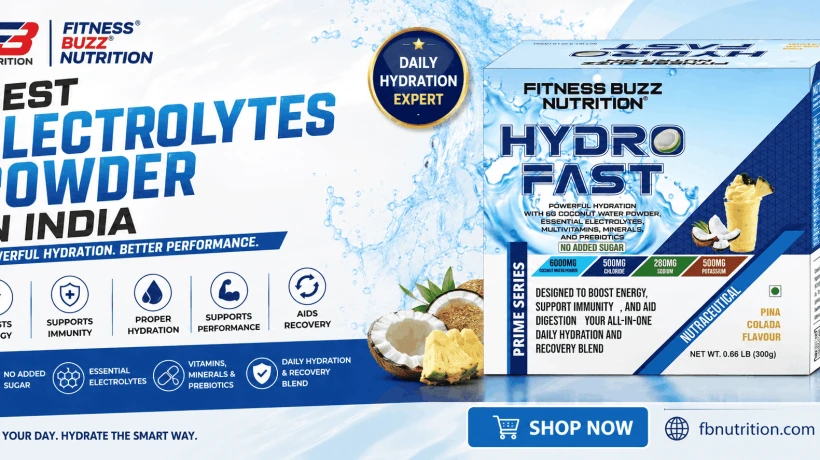
Electrolyte powder vs daily hydration: know when water is enough and when your body needs more. Learn the signs, benefits, and how to choose the right one.
Did you know that losing just 2% of your body weight through dehydration can reduce physical performance, endurance, and mental focus? According to the American College of Sports Medicine, even mild dehydration affects how efficiently your muscles and brain work. That is why hydration is more than simply drinking water. It is about replacing the fluids and minerals your body loses throughout the day.
Many people believe electrolyte powder is something only athletes need. Others assume it should replace their daily water intake. Neither is completely true. Your hydration needs depend on how active you are, how much you sweat, and what your body loses during the day.
Understanding the difference between workout hydration and daily hydration helps you make smarter choices instead of following fitness trends.
What Is Electrolyte Powder and Why Does Your Body Need It?
Electrolytes are essential minerals that help regulate several important body functions. Sodium, potassium, magnesium, calcium, and chloride work together to maintain fluid balance, support muscle contractions, regulate nerve signals, and keep your heart functioning normally.
Every time you sweat, your body loses both water and these minerals. While water replaces lost fluids, it cannot replace electrolytes. That is where electrolyte powder becomes useful. Mixed with water, it helps restore the minerals your body needs after intense physical activity or excessive sweating.
However, not everyone requires electrolyte supplementation every day. The need depends entirely on your lifestyle and activity level.
Electrolyte Powder for Workouts vs Daily Hydration: Understanding the Difference
Although both involve staying hydrated, daily hydration and workout hydration serve different purposes.
Daily hydration focuses on maintaining your body's normal functions. If you spend most of your day working indoors, attending meetings, or doing light activities, drinking enough water and eating a balanced diet usually provides all the hydration your body needs.
Workout hydration has a different goal. During exercise, especially high-intensity or long-duration sessions, your body loses large amounts of sweat. Along with that sweat, sodium and other electrolytes are lost, which help your muscles perform efficiently.
For example, someone taking a 30-minute evening walk will lose far fewer electrolytes than someone completing a 90-minute cycling session in hot weather. Their hydration strategies should naturally be different.
That is why athletes often include electrolyte powder in their recovery routine, while most people simply benefit from drinking enough water throughout the day.
When Water Is Enough for Daily Hydration
Water remains the best choice for staying hydrated during everyday activities. If your routine includes moderate movement and you consume fruits, vegetables, dairy products, nuts, and whole grains, your meals already provide many essential electrolytes naturally.
Imagine someone working in an air-conditioned office from morning until evening. They drink water consistently, eat balanced meals, and perform light exercise after work. In most cases, this person does not need electrolyte supplements because their mineral losses are relatively small.
Drinking electrolyte beverages without needing them may simply add unnecessary sodium or sweeteners to your diet. The key is matching your hydration strategy to your actual needs instead of assuming more is always better.
Why Electrolyte Powder Becomes Important During Workouts
Exercise changes how your body manages fluids. As your heart rate increases, your body begins sweating to regulate temperature. The harder and longer you train, the greater your electrolyte loss becomes.
According to research from the National Academies of Sciences, Engineering, and Medicine, adults generally require about 2.7 litres of fluids per day for women and 3.7 litres for men, including fluids obtained from food. During prolonged physical activity, these requirements increase significantly because of sweat loss.
Consider two runners completing a half-marathon on a hot summer morning. The first runner drinks only plain water. The second drinks water mixed with an electrolyte powder containing sodium and potassium. Both replace lost fluids, but the second runner also replenishes minerals that support muscle contractions and fluid balance.
As a result, they are often less likely to experience muscle cramps, fatigue, or reduced endurance during recovery. This is exactly where electrolyte powder provides its greatest value.
How to Know When You Actually Need Electrolytes
Your body usually provides clear signs when electrolyte replacement may be helpful. You may benefit from electrolyte powder if you regularly experience the following:
-
Heavy sweating during workouts
-
Muscle cramps after exercise
-
Long training sessions lasting over one hour
-
Outdoor workouts in hot or humid weather
-
Fatigue despite drinking enough water
These situations increase mineral loss beyond what water alone can replace. If your workouts are short and low intensity, plain water is usually enough.
Choosing the Right Electrolyte Powder
Not all electrolyte powders offer the same quality. Some products contain excessive sugar, artificial flavours, or unnecessary fillers. Others provide balanced mineral levels designed for hydration and recovery.
When comparing products, pay attention to:
-
Sodium and potassium content
-
Magnesium for muscle recovery
-
Low added sugar
-
Transparent ingredient labels
-
Third-party quality testing
If you are researching the best electrolyte powder in India, evaluate the ingredient profile, serving size, and electrolyte balance to find a product that matches your training intensity.
Pairing Hydration with Proper Sports Nutrition
Hydration works best when combined with proper nutrition. Many athletes focus only on protein intake while overlooking hydration. In reality, recovery depends on both. Protein repairs muscle tissue, while electrolytes help restore fluid balance and support normal muscle function.
For individuals following structured fitness programmes, choosing products from the best bodybuilding supplement brand often provides better consistency in quality, ingredient transparency, and nutritional support across supplements.
A complete recovery strategy includes water, electrolytes when needed, balanced meals, and adequate rest.
Common Hydration Mistakes That Can Hurt Performance
Many hydration problems happen because of small habits that are easy to correct. Some of the most common mistakes include:
-
Waiting until you feel thirsty before drinking water
-
Using electrolyte drinks for completely sedentary days
-
Ignoring hydration before starting a workout
-
Drinking only water during long endurance sessions
-
Choosing sugary sports drinks instead of balanced electrolyte formulas
Avoiding these mistakes helps your body perform better and recover faster.
Final Thoughts
Electrolyte powder and daily hydration are not competing choices. They serve different purposes. Water is the foundation of everyday hydration and supports your body's normal functions. Electrolyte powder becomes valuable when exercise, heat, or prolonged sweating causes significant mineral loss.
Understanding when your body needs simple hydration and when it needs electrolyte replacement allows you to stay energised, improve workout performance, and recover more effectively.
Rather than following fitness trends, build your hydration plan around your activity level, environment, and individual needs. Your body will perform better because of it.
Frequently Asked Questions
1. Is electrolyte powder better than water?
Not necessarily. Water is ideal for everyday hydration, while electrolyte powder is more beneficial after prolonged exercise or excessive sweating.
2. Can I drink electrolyte powder every day?
Most healthy people do not need it daily. Regular use is generally more suitable for athletes, outdoor workers, or people who sweat heavily.
3. How long should a workout be before using electrolyte powder?
Electrolyte replacement is usually more beneficial during workouts lasting longer than 60 minutes or performed in hot, humid conditions.
4. Can drinking too many electrolytes be harmful?
Yes. Excessive electrolyte intake, especially sodium, may not be appropriate for everyone. Always follow serving recommendations and consult a healthcare professional if you have medical conditions.
5. Should beginners use electrolyte powder?
Beginners performing light or moderate workouts can usually stay hydrated with water. Electrolyte powder becomes more useful as workout intensity, duration, or sweat loss increases.



Comments
Login to Comment