Egg Shelf Life in Summer: How Long Does It Take for Eggs Left Outside in the Heat to Spoil? Learn Before Eating Them
27 May, 2026
1536 Views 0 Like(s)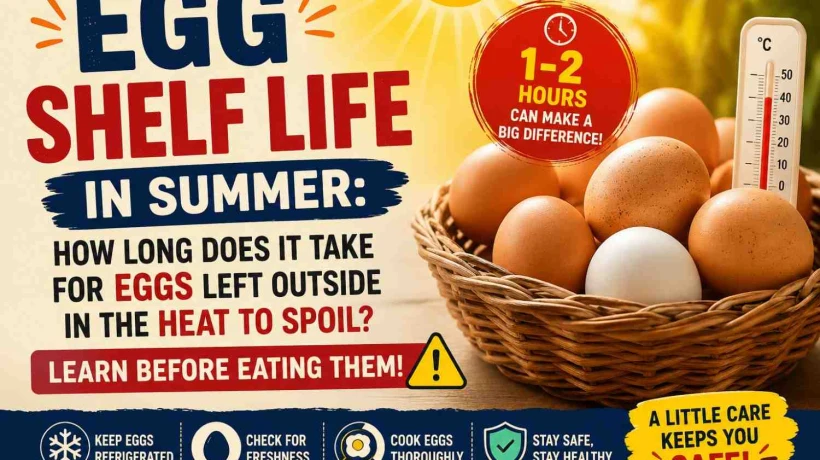
Egg Shelf Life in Summer: How Long Does It Take for Eggs Left Outside in the Heat to Spoil? Learn Before Eating Them
Eggs are one of the most commonly used foods in households around the world. From breakfast omelets to cakes and curries, eggs are packed with protein and nutrients. However, during the summer season, many people unknowingly leave eggs outside the refrigerator for too long. High temperatures can quickly spoil eggs and increase the risk of food poisoning. Knowing how long eggs stay safe in hot weather is extremely important for your health.
Why Do Eggs Spoil Faster in Summer?
Summer heat creates the perfect environment for bacteria to grow rapidly. When eggs are exposed to warm temperatures, harmful bacteria such as Salmonella can multiply quickly. This bacteria can cause serious stomach infections, vomiting, diarrhea, fever, and food poisoning.
Eggs have a natural protective coating on their shell that helps keep bacteria out. But when eggs remain in heat for several hours, this protection weakens, especially if the eggs are washed or cracked. In countries with hot climates like India, eggs can spoil much faster if not stored properly.
How Long Can Eggs Stay Outside in Summer?
The shelf life of eggs depends mainly on the temperature around them.
- If the room temperature is below 20°C, eggs may remain safe for several hours.
- In hot summer temperatures above 30°C, eggs should not be left outside for more than 1 to 2 hours.
- If eggs are kept in direct sunlight or inside a hot vehicle, they may spoil even faster.
According to food safety experts, perishable foods kept in temperatures between 5°C and 60°C enter what is called the “danger zone,” where bacteria grow rapidly. During peak summer afternoons, kitchen temperatures often rise well above safe limits.
Signs That Eggs Have Gone Bad
Before using eggs, always check whether they are still fresh. Here are some common signs of spoiled eggs:
1. Bad Smell
A rotten egg gives off a strong sulfur-like smell immediately after cracking. If you notice any unpleasant odor, throw the egg away immediately.
2. Change in Texture
Fresh egg whites are thick and slightly firm. Spoiled eggs may appear watery, slimy, or unusually thin.
3. Discoloration
If the yolk or egg white turns pink, green, black, or cloudy, it could indicate bacterial contamination.
4. Cracked Shell
Cracked eggs are more vulnerable to bacteria entering inside. Avoid using eggs with damaged shells, especially in summer.
The Water Test to Check Freshness
One simple home method to check egg freshness is the water test.
- Fill a bowl with cold water.
- Put the egg gently into the bowl.
Results:
- Fresh egg: Sinks and lies flat.
- Slightly old but usable: Stands upright at the bottom.
- Spoiled egg: Floats on the surface.
Floating eggs contain more air inside due to aging and should generally not be eaten.
Best Way to Store Eggs During Summer
Proper storage can significantly increase egg shelf life and keep them safe to eat.
Refrigerate Immediately
Store eggs in the refrigerator as soon as possible. The ideal temperature is below 4°C.
Keep Eggs in Original Carton
Egg cartons help protect eggs from moisture loss and strong odors from other foods.
Avoid Refrigerator Door Storage
The fridge door experiences frequent temperature changes due to opening and closing. Keep eggs on an inside shelf where temperatures stay stable.
Do Not Wash Before Storing
Washing eggs removes the natural protective coating on the shell. Wash them only before cooking.
How Long Do Refrigerated Eggs Last?
When stored properly in the refrigerator:
- Raw eggs can last around 3 to 5 weeks.
- Hard-boiled eggs stay safe for about 1 week.
- Cooked egg dishes should be eaten within 3 to 4 days.
Always check expiry dates if buying packaged eggs from stores.
Health Risks of Eating Spoiled Eggs
Consuming spoiled eggs can lead to foodborne illnesses. Symptoms may include:
- Stomach cramps
- Vomiting
- Diarrhea
- Fever
- Nausea
- Weakness
Children, pregnant women, elderly individuals, and people with weak immunity are at higher risk of severe complications.
Tips to Stay Safe in Summer
- Buy eggs from trusted sellers.
- Avoid purchasing eggs kept under direct sunlight.
- Refrigerate eggs quickly after bringing them home.
- Cook eggs thoroughly before eating.
- Never consume raw or half-cooked eggs during extreme heat.
Conclusion
Eggs are healthy and nutritious, but summer heat can make them unsafe very quickly if not stored properly. In hot weather, eggs left outside for more than 1 to 2 hours may begin to spoil and become dangerous to eat. Always check for signs of spoilage, store eggs in the refrigerator, and follow proper food safety habits. A little caution can protect you and your family from serious food poisoning during the summer season.



Comments
Login to Comment