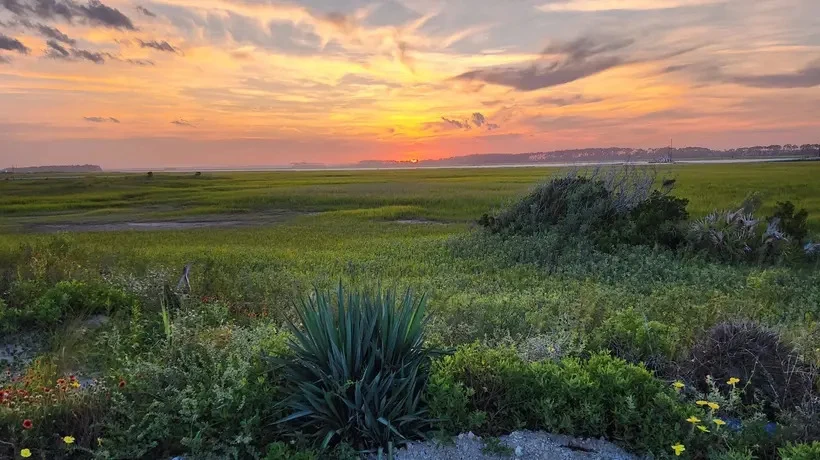
Step outside in the Lowcountry, and you’ll notice something right away. The land has its own quiet rhythm. The breeze moves through tall grasses, sunlight filters through live oaks, and everything feels naturally in place. A well-designed landscape here should feel the same way, like it belongs, not like it was forced into existence.
That’s the idea behind thoughtful Lowcountry landscape design. It’s not about overpowering nature with heavy structure or high-maintenance features. It’s about working with what’s already there and shaping it into something both beautiful and practical.
The Power of Native Plants
At the heart of every successful Lowcountry landscape is the use of native plants. These are species that have evolved over thousands of years to thrive in the local climate and soil conditions. Because of this, they require less water, fewer chemical inputs, and minimal maintenance compared to non-native alternatives.
Native grasses, shrubs, and trees are resilient. They handle heat, humidity, and occasional flooding with ease. More importantly, they support local wildlife, from pollinators like bees and butterflies to birds and beneficial insects. A native landscape becomes more than just a yard. It becomes part of a larger ecological network.
Instead of high-maintenance lawns that demand constant mowing and irrigation, native groundcovers and natural plant groupings create a softer, more organic appearance. The result is a space that feels calm, balanced, and deeply connected to the surrounding environment.
Designing for Low Maintenance
One of the biggest misconceptions in landscaping is that beautiful spaces require constant upkeep. In reality, the opposite is often true when the design is done right.
A well-planned Lowcountry landscape reduces the need for ongoing maintenance by working with natural systems. Plant selection plays a key role, but so does layout. Grouping plants with similar water and sunlight needs ensures they thrive without extra attention. Proper spacing allows for natural growth without overcrowding.
Mulching, soil improvement, and strategic placement of trees for shade also contribute to long-term sustainability. Over time, these elements work together to create a self-supporting environment where plants flourish with minimal intervention.
The result is a landscape that looks effortless but is actually the product of thoughtful planning.
Embracing the Natural Aesthetic
Lowcountry landscapes are known for their relaxed, flowing appearance. This is not by accident. Instead of rigid lines and overly structured layouts, designs often follow the natural contours of the land.
Curved pathways, layered plantings, and a mix of textures create visual interest without feeling forced. Tall grasses sway with the breeze, flowering plants add seasonal color, and evergreen elements provide year-round structure.
This approach creates a sense of movement and life. The landscape changes subtly throughout the year, offering something new in every season. It is not static. It evolves, just like nature itself.
Water-Wise and Climate-Resilient Design
Water management is an essential part of any Lowcountry landscape. Heavy rains, high humidity, and coastal conditions require smart planning to prevent issues like erosion and standing water.
Incorporating rain gardens, permeable surfaces, and proper grading helps manage water naturally. These features not only protect the property but also enhance its visual appeal.
Drought tolerance is equally important. While the region does receive rainfall, dry periods can still occur. Native plants are naturally equipped to handle these fluctuations, making them an ideal choice for long-term resilience.
By designing with both extremes in mind, landscapes remain functional and attractive no matter the conditions.
Creating Outdoor Living Spaces
A well-designed landscape is not just something to look at. It is meant to be experienced.
Outdoor living spaces are an important part of Lowcountry design. Whether it is a quiet seating area surrounded by native plants or a larger space for entertaining, these areas are integrated seamlessly into the natural surroundings.
Materials often reflect the local environment, with natural stone, wood, and subtle textures that blend into the landscape. Shade is carefully considered, whether through tree placement or structural elements, to ensure comfort during warmer months.
The goal is to create spaces that invite people outside, encouraging them to slow down and connect with their surroundings.
Long-Term Value and Sustainability
Investing in a native, low-maintenance landscape is not just about immediate beauty. It is about long-term value.
These landscapes require fewer resources over time, reducing costs associated with water, fertilizers, and maintenance. They are also more resilient to environmental changes, making them a smart choice for the future.
Beyond the practical benefits, there is a deeper value in creating spaces that support local ecosystems. Every native plant added to a landscape contributes to biodiversity and environmental health.
A Thoughtful Approach to Every Space
Every property is unique, and so is every landscape design. The key is to understand the specific conditions of the site, from soil type and sunlight to drainage and existing vegetation.
By taking a tailored approach, each design becomes more than just visually appealing. It becomes functional, sustainable, and long-lasting. The result is a landscape that feels natural, performs well, and continues to thrive year after year.
Bringing It All Together
A successful Lowcountry landscape does not shout for attention. It invites you in quietly, with textures, colors, and movement that feel familiar and comforting.
It is a place where nature and design meet in balance. Where beauty does not come at the cost of sustainability. And where outdoor spaces become an extension of the environment rather than a departure from it.
That’s the essence of Lowcountry landscaping. Thoughtful, timeless, and deeply rooted in the land itself.


Comments
Login to Comment