Dermal Fillers During Ramadan: Safety and Rules
20 May, 2026
1676 Views 0 Like(s)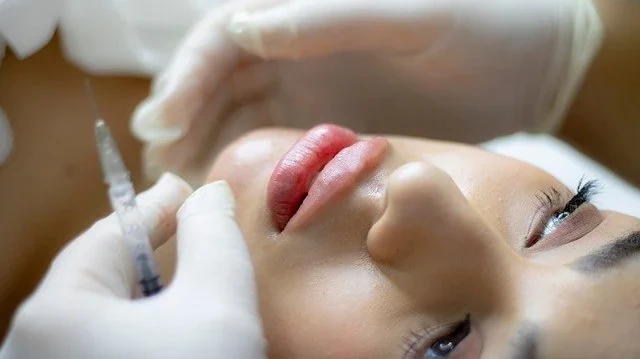
Learn about scheduling fillers in Dubai during Ramadan. Discover how fasting affects hydration and recovery times at Tajmeels Clinic.
Navigating cosmetic treatments while observing religious obligations requires careful planning, especially regarding physical recovery and hydration. For patients scheduling dermal fillers in Dubai during or immediately after the holy month of Ramadan, understanding how altered eating schedules, disrupted sleep patterns, and reduced daytime fluid intake impact skin healing is essential. By taking a strategic approach to clinical care, patients can maintain their fasting traditions while ensuring safe, beautifully integrated, and long-lasting volume restoration.
The primary medical challenge when performing soft-tissue injections during a fasting period revolves around hydration dynamics. Because hyaluronic acid fillers rely directly on drawing moisture from surrounding tissues to swell, settle, and lock into place, a dehydrated body can alter the initial settling phase. Consulting with an expert medical team allows you to adjust the timing of your procedure to align perfectly with your routine, protecting both your health and your aesthetic investment.
Does Getting Fillers Break the Fast?
A frequent point of consideration for patients in the UAE is whether undergoing an injectable treatment during daytime fasting hours invalides their fast.
According to mainstream Islamic jurisprudence and established medical consensus across the Middle East, receiving non-nutritional subcutaneous, dermal, or intramuscular injections does not invalidate the fast. Because dermal fillers consist of cross-linked hyaluronic acid or biostimulatory gels intended solely for tissue reconstruction rather than nutritional support, the treatment can be safely performed during daylight hours.
However, many patients still prefer to schedule their clinical sessions in the late afternoon shortly before Iftar or during post-Ramadan clinics to maximize personal comfort and optimize their post-treatment fluid intake.
Fasting Dynamics and Filler Integration
The physical changes that occur in the body during a month of fasting can directly influence how injectable gels interact with your facial anatomy.
The Impact of Systemic Hydration on Hyaluronic Acid Gels
Hyaluronic acid is highly hydrophilic, meaning it acts like a microscopic sponge that binds with water molecules in the skin to create a plumping effect. When fluid intake is limited to post-sunset hours, the body experiences temporary drops in systemic hydration during the day. This can lead to a few distinct clinical observations:
-
Delayed Structural Settling: In a dehydrated state, the injected gel may take slightly longer to absorb the fluid necessary to reach its full, smooth volume, occasionally making the filler feel firmer under the skin initially.
-
Fluctuating Volume Profiles: Patients may notice subtle variations in the fullness of their cheeks or temples between morning hours and late afternoon, directly reflecting the body's changing hydration levels throughout the day.
-
Increased Risk of Initial Swelling: When tissues are dry, the localized inflammatory response from the injection can appear more pronounced, leading to slightly higher fluid retention around the injection sites once water is consumed at Iftar.
Adjusting the Recovery Protocol for Fasting Patients
To achieve optimal results without placing undue stress on your body, minor modifications should be made to the standard post-filler care routine during this period.
Strategic Hydration Management
Because daytime drinking is paused, maximizing fluid absorption during non-fasting hours is critical for the proper settling of your dermal fillers injection in Dubai. Instead of drinking large volumes of plain water quickly at Iftar—which can flush through your system too rapidly—focus on sipping water consistently between Iftar and Suhoor. Integrating electrolyte-rich beverages, such as coconut water or hydration tablets, helps your deeper dermal tissue layers retain the moisture necessary to support the new filler framework.
Managing Post-Treatment Swelling Safely
Since oral anti-inflammatory medications or frequent daytime water breaks aren't available to manage post-injection swelling during the day, physical cooling methods become your primary tool. Applying a clean ice pack or a wrapped cold compress to the cheeks or temples for 10 minutes every few hours effectively constricts local blood vessels, keeping bruising and swelling to an absolute minimum without affecting your fast.
Optimal Scheduling Strategies at Tajmeels Clinic
When planning your facial rejuvenation during this special time of year, selecting the right appointment window can greatly improve your overall comfort and recovery experience:
-
The Late Afternoon Window: Scheduling your filler session an hour or two before Iftar allows you to head straight home to rest and break your fast with fresh fluids shortly after completing the procedure.
-
The Post-Eid Window: If you are planning a significant transformation that requires multiple syringes across several areas—such as combining cheek augmentation fillers with deep temple restoration—waiting until the Eid holidays may be ideal. This allows you to recover when normal eating, drinking, and sleeping patterns have fully resumed.
At Tajmeels Clinic, our medical specialists are deeply experienced in tailoring treatment protocols to respect and fit your lifestyle. By evaluating your skin health and adjusting injection techniques to account for seasonal hydration changes, we ensure you receive exceptional, natural-looking filler results in a safe, supportive, and comfortable clinical environment.

Comments
Login to Comment