Covering Tattoo Stretch Marks With Ink: Tips & Tricks
03 Feb, 2026
8377 Views 0 Like(s)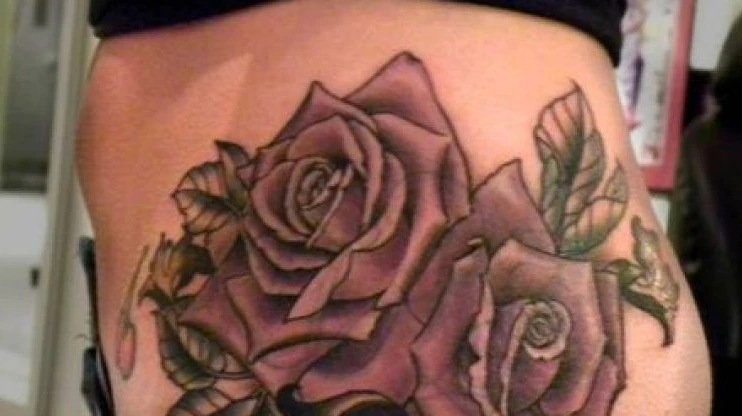
Tattoo stretch marks are a common form of skin scarring that many people experience due to rapid growth, weight fluctuations, pregnancy.
Tattoo stretch marks are a common form of skin scarring that many people experience due to rapid growth, weight fluctuations, pregnancy, puberty, or bodybuilding. Although they are harmless from a medical standpoint, many individuals feel self-conscious about their appearance.
One growing solution—especially for those who want to reclaim confidence in their skin—is to cover stretch marks with tattoos. This article explores the emotional and practical dimensions of using ink to camouflage stretch marks, along with tips and tricks for achieving beautiful, satisfying results.
Understanding Stretch Marks
Tattoo stretch marks, or striae, form when the skin is stretched beyond its elastic capacity, causing the collagen and elastin fibers in the dermis to break. They initially appear red, purple, or brown depending on your skin tone, and over time, they can fade to silvery white or soft pink.
While many topical treatments (like creams and oils) claim to reduce their appearance, results vary widely. Some people choose to embrace them, others pursue medical treatments like laser therapy, and a growing number opt for tattoo cover-ups as a creative, permanent solution.
Why Tattooing Works
Tattooing can be a powerful way to transform how you feel about your skin. Rather than hiding Tattoo stretch marks beneath makeup daily, tattoos offer a permanent visual transformation that turns scars into art. Here’s why many people find this appealing:
Empowerment Through Art: Tattoos shift the narrative from “conceal these flaws” to “celebrate your body.”
Customization: A skilled tattoo artist can work with your body’s natural lines and tones.
Long-lasting: Unlike makeup or some topical treatments, tattoos are a one-time investment that requires minimal upkeep.
Yet tattooing over stretch marks is not as simple as applying a normal tattoo design. Stretch marks are textured and often lighter than the surrounding skin, so an experienced artist must adapt techniques accordingly.
Before You Decide: Key Considerations
1. Consultation with an Experienced Tattoo Artist
Not all tattooists have experience with scar tissue or stretch marks. During a consultation:
Ask for before and after photos of previous work.
Discuss your skin type, stretch mark age, and texture.
Evaluate whether your particular stretch marks are suitable for tattooing; older, silver stretch marks behave differently under ink than newer, red ones.
A good artist will tell you if a design won’t work well and suggest alternatives.
2. Skin Healing and Timing
Fresh Tattoo stretch marks are still inflamed and more sensitive. Waiting until they mature (usually 6–12 months) gives the skin time to stabilize, which often leads to better tattoo results. Your artist will tell you whether your marks are ready based on color, texture, and elasticity.
3. Design Choice Matters
Certain styles work better for covering stretch marks:
Watercolor and soft shading: These can blend imperfections into fluid, painterly designs.
Floral and botanical: Vines, leaves, and blossoms often follow the natural curves of the body.
Geometric patterns: Bold shapes and lines can distract from texture differences.
Dark, richly saturated tattoos: These cover lighter stretch marks more effectively than light, delicate pieces.
Bring reference images to your consultation, but remain open to your artist’s recommendations.
4. Health & Safety
Make sure the studio follows clean, licensed practices. Tattooing over scar tissue may take longer and requires a gentle hand. If you have skin conditions (like eczema or psoriasis) or are pregnant or nursing, consult your healthcare provider before getting inked.
Tips for Better Results
1. Hydrate and Care for Your Skin Ahead of Time
Healthy skin takes ink more predictably. In the weeks before your session:
Keep the area moisturized.
Avoid sunburn or tanning.
Stay well‑hydrated.
This won’t erase stretch marks, but it can improve skin resiliency for the tattoo process.
2. Be Realistic About Color and Coverage
Tattoo stretch marks often have different pigmentation from the surrounding skin. Your artist may use color theory (mixing complementary hues) to blend tones. For example:
Light stretch marks might benefit from soft pastel shading.
Red or purple marks may need under-toned hues to balance the contrast.
Remember: a complete color match may not be possible, but strategic shading can make your stretch marks much less noticeable.
3. Break It Into Sessions
Large or intricate work might require multiple sessions. This allows your skin to heal progressively and gives your artist a chance to refine shading and detail.
4. Manage Pain and Comfort
Tattooing scar tissue can feel different than tattooing normal skin. Some people experience more sensitivity, others less. Tips for a smoother session:
Eat a nutritious meal beforehand.
Avoid alcohol or blood thinners.
Wear comfortable clothing that gives the artist access to the area.
If needed, discuss topical numbing options with your artist.
Aftercare: Protect Your Investment
Proper aftercare is critical for any tattoo—especially one designed to cover stretch marks.
Keep it clean: Wash gently with mild, unscented soap.
Moisturize: Use tattoo-approved balm to prevent dryness.
Avoid sun exposure: UV rays can fade ink—apply SPF once healed.
Follow your artist’s instructions: They know best for the pigments and style you chose.
Healing times vary, but expect 2–4 weeks for initial healing and up to 3 months for full settling of pigment.
Common Myths Debunked
❌ “Tattoos will completely erase stretch marks.”
No. Tattooing doesn’t remove the texture of the marks—it visually incorporates them into a design.
❌ “All stretch marks are suitable for tattooing.”
No. Some scars may be too uneven or unpredictable. Professional assessment is key.
❌ “Any tattoo artist can do it.”
No. Working with stretch marks requires skill, experience, and artistic vision. Choose carefully.
Alternatives and Complementary Options
If covering with ink doesn’t feel right for you, consider alternatives—or combine treatments:
Laser therapy can reduce color contrast before tattooing.
Microneedling promotes collagen production and smooths texture.
Topical retinoids may help newer marks (though consult a dermatologist first).
Tattooing can work alongside these approaches, depending on your goals.
Emotional Impact: More Than Skin Deep
For many people, stretch marks are tied to life events—pregnancy, growth spurts, weight changes, or healing journeys. Choosing a tattoo can be an empowering step toward body acceptance and self-expression. Rather than hiding scars out of shame, ink allows many to celebrate their body’s history.
Talking openly with friends, family, or support groups about your decision can also help you feel confident in your choice.
Final Thoughts
Covering stretch marks with tattoos isn’t just a cosmetic decision—it’s a personal journey. With the right artist, thoughtful preparation, and realistic expectations, tattoos can transform how you feel about your skin. Whether you choose bold color, delicate shading, or meaningful symbolism, the art can help you reclaim your narrative.


Comments
Login to Comment