Complete Guide to Food Safety Certification in Malaysia (Beginner to Advanced)
03 Apr, 2026
3175 Views 0 Like(s)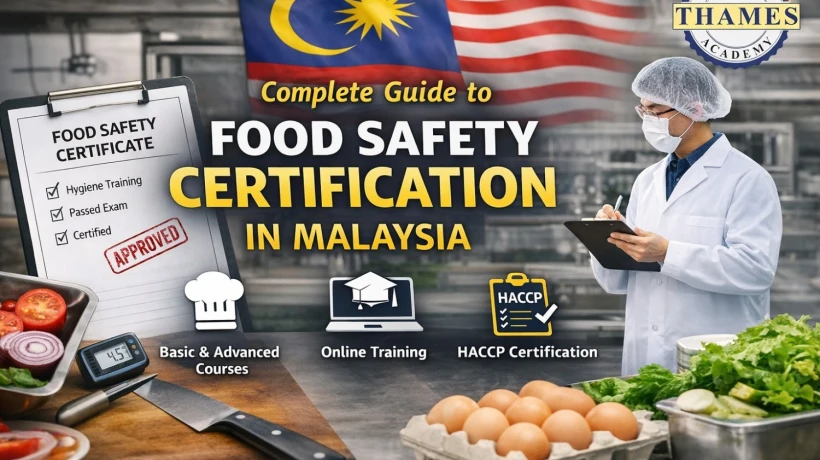
Learn everything about Food Safety Certification in Malaysia, from basic food handler training to advanced HACCP. This complete guide covers requirements, costs, online training options, and how to get certified the right way.
If you are planning to work in the food industry in Malaysia or already running a food business, understanding food safety certification is not optional. It is a legal requirement and a critical part of protecting your customers and your reputation.
This guide walks you through everything you need to know, from basic requirements to advanced certifications, so you can confidently navigate the process.
Why Food Safety Certification Matters in Malaysia
Food safety is taken seriously in Malaysia, especially with strict regulations enforced by health authorities. Whether you run a restaurant, a food stall, a home based business, or even a cloud kitchen, proper certification is essential.
Here is why it matters:
- It ensures food is handled, prepared, and stored safely
- It reduces the risk of foodborne illnesses
- It helps your business pass health inspections
- It builds trust with customers
- It protects you from fines or business closure
Without proper certification, your business could face penalties or even suspension.
What Is a Food Safety Certificate Malaysia
A Food Safety Certificate Malaysia is an official recognition that you have completed the required training in safe food handling practices. It proves that you understand hygiene standards, contamination risks, and proper food handling procedures.
This certificate is typically obtained after completing a certified training course and passing a basic assessment.
It is especially important for:
- Restaurant staff
- Food handlers and kitchen workers
- Street food vendors
- Food delivery business operators
- Home based food sellers
Understanding Food Safety Training Courses Malaysia
To get certified, you must enroll in approved Food Safety Training Courses Malaysia. These courses are designed to teach practical knowledge that can be applied immediately in a food handling environment.
Most courses cover:
- Personal hygiene practices
- Safe food storage and temperature control
- Preventing cross contamination
- Cleaning and sanitation procedures
- Food safety laws and regulations in Malaysia
The training is usually simple, practical, and easy to follow, even for beginners.
Step by Step Process to Get Certified
If you are new to the process, here is a clear breakdown of how to get your certification:
1. Register for a Training Course
Choose a certified provider offering Food Safety Training Courses Malaysia. Make sure the course is recognized by local health authorities.
2. Attend the Training
Training sessions are usually completed within one day. Some providers also offer flexible scheduling.
3. Complete the Assessment
At the end of the course, you may need to pass a simple test to demonstrate your understanding.
4. Get Your Certificate
Once you pass, you will receive your Food Safety Certificate Malaysia.
5. Take a Typhoid Injection
In many cases, food handlers are also required to get a typhoid vaccination as part of compliance.
Food Handler Training Online in Malaysia
In recent years, many providers have started offering Food Handler Training Online in Malaysia. This option is especially useful for busy individuals or business owners who cannot attend physical classes.
Here are some benefits of online training:
- Learn at your own pace
- No need to travel
- Flexible timing
- Suitable for remote areas
However, it is important to ensure that the online course is officially recognized. Not all online programs meet regulatory standards, so always verify before enrolling.
Beginner Level Certification
If you are just starting out, the basic food handler course is your entry point. This is the minimum requirement for anyone working with food.
At this level, you will learn:
- Basic hygiene rules
- Safe food handling practices
- Personal cleanliness standards
- Simple food safety laws
This certification is mandatory and forms the foundation of your food safety knowledge.
Intermediate Level Training
Once you are familiar with the basics, you may want to move to intermediate level training. This is especially useful for supervisors or those managing food operations.
Intermediate training focuses on:
- Risk management in food handling
- Monitoring food safety practices
- Handling customer complaints related to food safety
- Staff supervision and training
This level helps you take more responsibility within your workplace.
Advanced Certifications and HACCP
For those running larger operations or aiming for higher standards, advanced certifications such as HACCP are highly recommended.
HACCP stands for Hazard Analysis and Critical Control Points. It is a systematic approach to identifying and controlling food safety risks.
Advanced training includes:
- Identifying potential hazards in food production
- Establishing control measures
- Monitoring and documentation processes
- Ensuring compliance with international standards
While not always mandatory, HACCP certification can significantly boost your business credibility.
Who Needs Food Safety Certification
Many people assume certification is only for restaurant workers, but the requirement is much broader.
You need certification if you are:
- Working in a restaurant or cafe
- Running a food stall or hawker business
- Operating a home based food business
- Selling food through delivery platforms
- Managing a food production facility
Even part time workers handling food must be certified.
Cost and Duration of Training
The cost of Food Safety Training Courses Malaysia is generally affordable, making it accessible for individuals and small businesses.
Typical expectations:
- Duration: 1 day for basic training
- Cost: Varies depending on provider and format
- Certificate validity: Usually long term but subject to regulations
Online courses may sometimes be slightly cheaper, depending on the provider.
Common Mistakes to Avoid
Many people make simple mistakes during the certification process. Avoid these to save time and effort:
- Choosing unrecognized training providers
- Assuming online courses are always valid
- Skipping the typhoid vaccination requirement
- Not keeping your certificate updated
- Ignoring food safety practices after certification
Certification is not just about getting a document. It is about applying what you learn daily.
Tips to Choose the Right Training Course
Not all courses are equal, so choosing the right one matters.
Here is what to look for:
- Recognition by Malaysian authorities
- Experienced trainers
- Clear course structure
- Positive reviews from past participants
- Availability of online and offline options
A good training course will not only help you pass but also prepare you for real situations.
Final Thoughts
Getting a Food Safety Certificate Malaysia is one of the most important steps if you want to work or succeed in the food industry. It is not just about meeting legal requirements. It is about building a safe, trustworthy, and professional food business.
Whether you start with basic Food Safety Training Courses Malaysia or move toward advanced certifications, each step adds value to your skills and your business.
If you prefer flexibility, Food Handler Training Online in Malaysia can be a convenient option, as long as you choose a recognized provider.
Start with the basics, apply what you learn, and keep improving. In the food industry, safety is not a one time effort. It is a continuous commitment.
Disclaimer: ThynkTales is a public blogging platform where content is contributed by individual users. While we encourage thoughtful and accurate sharing, we do not independently verify the information provided. Readers are advised to use their discretion and verify any information before relying on it.


Comments
Login to Comment