Common Mistakes to Avoid When Using Honeycomb Paper Packaging
28 Oct, 2026
11 Views 0 Like(s)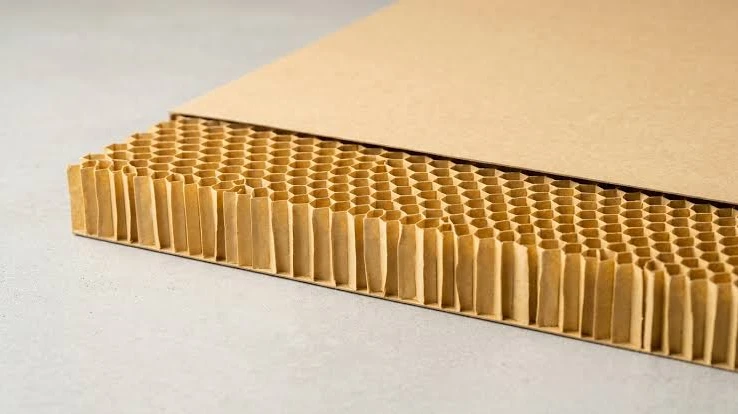
The most common mistakes when using honeycomb paper packaging include choosing the wrong wrap size, applying incorrect wrapping techniques, underestimating the number of layers needed, and misjudging the fragility level of the item.
The most common errors made in the use of honeycomb paper packaging are wrong size of wrap, wrong wrapping techniques, underestimating the number of layers needed, and misjudging the level of fragility of the item. Mistakes diminish the cushioning effect, damage goods, and increase the cost of replacement—something that could be avoided with the right approach.
If your packaged products continue to arrive damaged even with honeycomb paper, it is rarely the material that is the problem. More often, it comes down to how the material is being used. For Malaysian SMEs, retailers, and packaging teams dealing with high shipment volumes, even small wrapping mistakes add up quickly, leading to returns, customer complaints, and wasted material costs.
This guide details the most damaging mistakes and how to fix them before they cost your business more than they should.
Mistake #1: Wrong Size Sheet for the Product
Sizing is the key to successful protective packaging. Packaging teams often use whatever sheet is available and don't match the wrap dimensions to the actual product. The outcome? Either too much excess material bunched awkwardly around the item or, worse, not enough coverage on the corners and edges.
If the sheet is too small, the wrapper has to stretch the honeycomb structure beyond its design limits, thinning out the cushioning layer where it matters most. The most vulnerable points in transit, the corners and edges, are left inadequately protected.
How to Size It Right
-
Before choosing your sheet, measure the length, width, and height of the product.
-
Don’t forget to add an extra 10–15 cm on each side for sufficient folding and overlapping.
-
For products with irregular shapes, consider the widest and tallest dimensions.
-
If you are in doubt, use a slightly larger sheet. Excess material can be neatly folded, but a short sheet cannot be stretched.
Mistake #2: Not Using Enough Layers
A very common paper-wrapping mistake in warehouse and retail packaging settings is single-layer wrapping. Honeycomb paper provides cushioning per layer, but a single wrap is seldom enough for anything much heavier than very light, non-fragile items.
The hexagonal cell structure works by distributing impact force over multiple cells. With one layer, that force has limited room to dissipate when the outer cells compress. Two or three layers provide progressive cushioning that helps protect products from drops and bumps during transit.
Practical Rule: If the item is worth more than RM50, is made of glass or ceramic, or has sharp edges, wrap it in at least two layers. As a general rule, electronics, bottled goods, and artisan products should receive three layers.
Mistake #3: Disregarding Product Fragility
Not every product requires the same level of protection, and packaging them the same way is an expensive mistake. A ceramic mug and a hardcover book have completely different drop sensitivity and surface vulnerability, but both are often wrapped the same way on busy packing lines.
Before wrapping begins, fragility assessment should be part of your standard operating procedure. Consider the following factors:
-
Surface Sensitivity: Is the product prone to scratches? Add an inner soft layer or tissue before applying the honeycomb wrap.
-
Drop Sensitivity: Will it survive a 1-metre drop? If not, add layers and seal all open ends.
-
Shape Complexity: Spouts, handles, or protruding parts must be wrapped separately before covering the main body.
-
Weight: Heavier items require denser wrapping and a stronger outer box to match the honeycomb wrap.
Mistake #4: Wrapping Too Loosely
Loose wrapping is a silent offender. The job appears to be finished, but the product inside the box moves freely during transit. Every movement creates repeated impacts that can lead to surface damage, chips, or breakage when the package arrives.
Honeycomb paper works best when it makes soft but firm contact with the product surface. The wrap should fit the shape of the item rather than float around it. This is especially relevant for packaging teams in Malaysia shipping e-commerce orders through courier networks such as J&T, Pos Laju, or DHL, where packages go through multiple handling stages.
How to Get a Snug Wrap
-
Wrap the honeycomb paper gently and firmly. Do not overstretch it, but remove all slack.
-
Tuck and fold the ends neatly, leaving no open flaps.
-
Use tape or adhesive to hold the last fold in place inside the box.
-
Add void fill to eliminate any remaining movement inside the box.
Mistake #5: Not Checking the Box Fit
Honeycomb wrap and the outer carton work as a system; they do not work independently. A product that is well wrapped can still shift around and suffer impact damage when placed in an oversized box. Similarly, forcing a wrapped object into a box that is too small crushes the honeycomb structure, reducing its cushioning effect.
Carton boxes in Malaysia's hot and humid climate may also lose structural rigidity during storage or transit. This makes the inner wrap even more important as a second line of defence.
Make sure the wrapped item fits inside the box with enough clearance for cushioning, but not so much that it can move freely. Fill any extra space with additional sheets of honeycomb paper or protective pads.
Mistake #6: Assuming All Products Are the Same in Mixed-Product Shipments
Retailers and SMEs sending mixed orders often make the mistake of using a one-size-fits-all wrapping approach for an entire batch. A single shipment may include items with widely varying levels of fragility, surface sensitivity, and weight.
Each item in a multi-product shipment must be individually wrapped according to its unique protection needs before being placed in the outer box. Honeycomb paper dividers or pads between items provide additional separation and reduce the risk of product-to-product contact damage.
Quick Reference: Packaging Tips by Product Type
| Product Type | Recommended Layers | Main Consideration |
|---|---|---|
| Ceramics and glassware | At least 3 layers | Separate and wrap individual components. |
| Electronics | 2–3 layers | Protect corners and screens first. |
| Bottled items | 2 layers | Secure the cap end and protect the bottle base. |
| Soft goods and clothing | 1 layer | Focus mainly on surface presentation. |
| Handcrafted and handmade items | 2–3 layers | Shape the wrap carefully around irregular contours. |
Mistake #7: Not Considering Transit Conditions
Packaging doesn't exist in a vacuum; it has to work in the real world. Courier operations in Malaysia can involve demanding handling conditions. Packages are stacked, sorted on conveyor belts, loaded and unloaded several times, and exposed to humidity.
If your products are being shipped through same-day or next-day courier services, design your packaging for challenging handling scenarios. Bulkier and heavier parcels should have extra padding at the bottom of the box, where compression forces can be particularly high during stacking.
Getting It Right Begins Before the First Fold
Most packaging mistakes are not the result of choosing the wrong material; they stem from an undefined process. Creating a simple internal guide for your team that includes wrapping instructions for each product and standards for each layer can significantly reduce inconsistencies on busy packing days.
Jishan Group offers honeycomb paper wrap solutions for Malaysian businesses seeking reliable, eco-conscious protective packaging without the hassle. Whether you're a small retailer standardising your dispatch process or a warehouse team managing high-volume orders, using the right material and the right method helps keep your products—and your customers—protected.
Jishan Group has a full range of packaging solutions for you to discover.
Frequently Asked Questions
How Many Layers of Honeycomb Paper Are Needed for Fragile Items?
Fragile items such as glassware, ceramics, and electronics should generally be wrapped in two to three layers of honeycomb paper. The additional layers help the hexagonal cell structure absorb impact energy progressively, reducing the likelihood of breakage during courier transit.
What Is the Biggest Mistake People Make When Wrapping Products with Honeycomb Paper?
The biggest mistake is using a sheet that is too small for the product, leaving edges and corners exposed. Undersized wrapping can compress unevenly and fail to provide consistent cushioning, particularly at the most vulnerable points during handling and shipping.
Can I Use Honeycomb Paper Wrap Instead of Bubble Wrap to Protect My Products?
Yes, honeycomb paper wrap can be a more sustainable alternative to bubble wrap for many products. It provides cushioning for everyday packaging needs and is popular with businesses in Malaysia looking for eco-friendly, recyclable packaging materials. However, the appropriate material depends on the product's fragility, weight, and shipping conditions.
How Can I Stop Products from Moving Around Inside the Box After Wrapping?
Make sure the honeycomb wrap fits the product's shape, with no loose flaps, and secure the final fold with tape. Fill any remaining space in the outer box with additional honeycomb paper or protective pads to minimise product movement during transit.
Is Honeycomb Paper Suitable for Heavy Products?
When multiple layers are used alongside a structurally appropriate outer carton, honeycomb paper can help protect moderately heavy products. For very heavy items, additional cushioning at the bottom of the box may be necessary to manage compression forces during stacking and handling.
How Does Humidity in Malaysia Affect Honeycomb Paper Packaging?
Improper storage can gradually compromise the structure of paper packaging in high-humidity conditions. Honeycomb paper rolls and sheets should be kept in a dry, covered storage area away from moisture. For shipments exposed to humid conditions, consider using a moisture-resistant outer carton alongside the honeycomb wrap.


Comments
Login to Comment