Commercial Pest Control Sydney — Why Every Business Needs It
16 Jul, 2026
1008 Views 0 Like(s)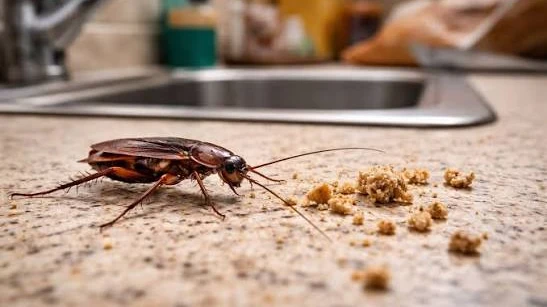
Commercial pest control is a contract service. Bait stations get placed. They get checked regularly. Activity gets logged. Treatments happen on schedule.
I've watched a lot of Sydney businesses make the same mistake. They spot a cockroach in the kitchen. They buy a can of surface spray. They think it's handled. Two weeks later the health inspector shows up and they're scrambling to explain why their food premises has a pest problem.
That scenario plays out hundreds of times a year across Sydney's restaurants, cafés, offices and retail spaces. And almost every time it comes down to one thing — the business owner didn't understand what commercial pest control Sydney actually requires.
Let me be straight with you. Commercial pest control isn't just a bigger version of residential pest treatment. It's a completely different animal.
THE DIFFERENCE BETWEEN HOME PEST CONTROL AND COMMERCIAL PEST CONTROL
Your kitchen has a cockroach problem. You call someone. They spray it. Problem solved (hopefully).
A restaurant has a cockroach problem. That's not just a pest issue. That's a food safety violation. That's a council inspection failure. That's negative reviews that tank your business for months. That's potentially losing your food license.
The stakes are completely different. Which is why the approach has to be completely different too.
Commercial pest control Sydney isn't about killing the pests you can see. It's about proof. Documentation. Compliance. It's about having a paper trail that shows you're actively managing pests in a way that meets council standards, food safety regulations and customer expectations.
Most Sydney businesses don't realise this until they've already failed an inspection.
WHY COMMERCIAL PEST CONTROL FAILS IN SYDNEY
I've talked to dozens of Sydney business owners about their pest problems. The common story goes like this — they hire someone. The person comes out, sprays something, leaves an invoice. The business owner thinks they're covered. Then a week later the cockroaches are back. Or worse, the health inspector finds evidence of pest activity during a routine inspection.
Here's where it all goes wrong.
They're using residential pest control for a commercial problem.
Residential pest control is reactive. You see a problem, you fix it. Commercial pest control has to be proactive, documented and compliant with food safety standards. If you're running a restaurant or food-related business in Sydney, you need HACCP compliance. That means specific products, specific placement, specific documentation and regular follow-up inspections.
A home pest controller won't have that framework. A commercial pest controller will.
They're not getting follow-up service.
One treatment visit isn't commercial pest control. It's a band-aid on a bigger problem. Commercial premises need ongoing monitoring. Bait stations need to be checked weekly. Activity levels need to be tracked. Documentation needs to accumulate month over month. This is the only way to stay compliant if an inspector shows up.
They're not sealing entry points.
Most commercial pest problems stem from the building itself. Gaps around pipes. Broken seals on doors. Missing strips on loading dock areas. A residential pest controller might leave these alone. A commercial contractor identifies and flags every potential entry point and works with you to address them structurally.
They don't understand the specific pest pressure of your business type.
A restaurant kitchen has completely different pest pressure than an office. An office has different challenges than a warehouse. A retail shop has different requirements than a strata building. Generic commercial pest control won't cut it. You need someone who understands food safety if you're food-related. Someone who understands the specific pests attracted to your building type.
WHAT ACTUALLY WORKS FOR COMMERCIAL PEST CONTROL SYDNEY
Here's what separates professional commercial pest control from the DIY approach or the one-off service call.
Proper Assessment First
A real commercial pest controller shows up and actually inspects your premises. They're looking at entry points, identifying conducive conditions, understanding your specific pest pressure. They're not just grabbing a can of spray and leaving. They're understanding your building and your business before deciding on a treatment approach.
HACCP Compliant Products and Placement
If you're running a food business, everything about your pest control has to be food-safe and documented. That means specific products approved for food environments. Specific placement away from food preparation areas. Records that prove everything was done by the book. A generic pest controller won't have this infrastructure. A commercial contractor will.
Ongoing Monitoring, Not One-Off Treatment
Commercial pest control is a contract service. Bait stations get placed. They get checked regularly. Activity gets logged. Treatments happen on schedule. You get reports. This is the only way to stay compliant and actually prevent problems rather than just react to them.
Documentation Everything
Every visit gets documented. Every treatment gets recorded. Every finding gets logged. This paperwork is your insurance. If a health inspector shows up and asks about pest management, you have a complete record proving you're actively managing it professionally. That's not optional for commercial premises. That's essential.
Training Your Staff
A good commercial pest controller doesn't just treat your premises. They train your staff on what to look for. They explain conducive conditions. They show kitchen staff how to minimize pest attraction. They make your entire team part of the solution, not just dependent on external treatment.
THE INDUSTRIES THAT NEED COMMERCIAL PEST CONTROL SYDNEY MOST
Restaurants and Cafés
One cockroach sighting by a customer during service kills your reputation faster than almost anything else. Food businesses are under constant scrutiny from health inspectors and customers alike. Professional commercial pest control isn't optional. It's a business requirement.
Strata Buildings and Body Corporates
Multi-unit residential buildings have shared pest problems that spread between apartments through walls, pipes and common areas. One unit's cockroach problem becomes everyone's problem. Strata pest management requires coordination, documentation and professional expertise most building managers don't have in-house.
Warehouses and Storage Facilities
Rodents love warehouses. Stored goods provide food and shelter. Entry points are common in older industrial buildings. Warehouse pest control requires understanding rodent behavior, identifying harborage areas and preventing damage to stored inventory.
Retail and Supermarkets
Customer-facing businesses can't afford pest sightings. One rodent on a shelf or cockroach near products triggers customer complaints and social media posts that tank the business. Retail pest control has to be invisible and perfectly executed.
Childcare Centres and Schools
Schools have to maintain pest-free environments for obvious health reasons. Parents expect professional pest management. Councils require it. Childcare providers need commercial-grade service with documentation proving compliance.
Office Buildings
An office cockroach in the kitchen or a spider in the conference room signals poor facilities management to clients and staff alike. Professional offices maintain professional pest control programs.
FREQUENTLY ASKED QUESTIONS — COMMERCIAL PEST CONTROL SYDNEY
Q: What does HACCP compliance actually mean for pest control?
A: HACCP stands for Hazard Analysis Critical Control Point. For food businesses it means your pest control has to follow specific protocols — approved products only, documented placement, regular monitoring, logged activity levels. It's a framework proving you're actively managing pest risk in a way that meets food safety standards. A council inspector can ask to see your HACCP documentation. If you don't have it, you're not compliant.
Q: How often does a commercial property need pest treatment?
A: It depends on your business type and activity level. A restaurant might need weekly bait station checks and monthly treatments. An office might need quarterly service. A warehouse might need monthly inspections. There's no one-size-fits-all answer. The frequency depends on your specific pest pressure and compliance requirements. A professional contractor assesses your needs and creates a schedule that makes sense for your business.
Q: Can I just use a residential pest control company for my commercial business?
A: Technically yes, but it's not recommended. Residential contractors aren't set up for HACCP compliance, ongoing documentation or the specific pest pressures commercial premises face. If a health inspector shows up and asks about your pest management program and you have receipts from a residential contractor, you're at risk. Commercial pest control is a different service requiring different expertise.
Q: What happens if an inspector finds pests and I don't have documentation?
A: That's a serious problem. Most councils require documented proof of active pest management. If an inspector finds evidence of pests and you can't show professional management was in place, you're looking at violations, fines and potentially suspension of your food license. Prevention through professional pest control is always cheaper than the cost of an inspection failure.
Q: How much does commercial pest control actually cost?
A: It varies significantly based on your premises size, business type and pest pressure. A small office might pay $200-$400 monthly. A restaurant might pay $500-$1,000+ monthly depending on the kitchen size and requirements. Commercial pest control is ongoing service, not a one-time treatment, so it's priced as a recurring contract. Most professional contractors will give you a free assessment and quote based on your specific needs.
Q: Do I need to close during commercial pest treatment?
A: Not necessarily. Professional contractors schedule treatments outside business hours — early morning before opening or late evening after closing. For food businesses especially, treatment happens when the kitchen is empty. Minimal disruption is part of what you're paying for with professional service.
Q: What's the difference between a general pest contractor and a commercial specialist?
A: A general contractor handles all types of pest problems for all types of properties. A commercial specialist focuses exclusively on commercial premises and understands food safety compliance, documentation requirements and the specific pest pressures businesses face. For anything food-related or commercially critical, a specialist is worth the difference.
Q: Can commercial pest control prevent all pest problems?
A: No. It can significantly reduce risk and catch problems early, but it can't eliminate every possibility. Pests are opportunistic. The goal of professional commercial pest control is to minimize risk, stay compliant and respond quickly if problems do emerge. It's risk management, not absolute prevention.
THE BOTTOM LINE
Commercial pest control Sydney isn't a luxury add-on to your business operations. It's infrastructure. It's compliance. It's protecting your reputation and your bottom line.
The businesses that get this right treat pest management as an ongoing program, not a one-off expense. They have a professional contractor they trust. They keep their documentation in order. They train their staff. When an inspector shows up — and inspectors do show up — they have evidence of active, professional pest management in place.
The businesses that get it wrong wait until there's a problem. Then they scramble. Then they lose customers. Then they lose compliance. Then they pay the price.
Which category do you want to be in?
If you're running a food business, managing a commercial property or overseeing any type of commercial premises in Sydney, professional pest control should already be part of your operational framework.
Don't wait for an inspection failure to make the call.


Comments
Login to Comment