Commercial Exterior Painting: Protecting and Enhancing Your Business Property
23 Jan, 2026
9897 Views 0 Like(s)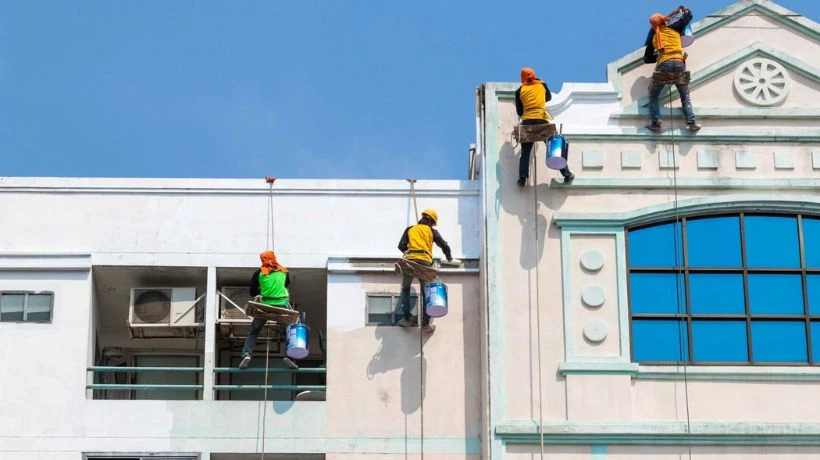
Commercial exterior painting that protects, enhances curb appeal, and adds long-term value to your business property. Learn benefits, process, and expert tips.
Commercial exterior painting is more than just a cosmetic upgrade. It plays a critical role in protecting your building, strengthening your brand image, and maintaining long-term property value. Whether you own an office building, retail store, warehouse, hotel, or industrial facility, the condition of your exterior paint sends a clear message to customers, clients, and partners.
In this guide, we will walk through everything you need to know about commercial exterior painting, from its benefits and process to choosing the right materials and contractors. If you want a durable, professional finish that lasts for years, understanding these factors is essential.
What Is Commercial Exterior Painting?
Commercial exterior painting refers to the professional painting of the outside surfaces of commercial properties. This includes walls, facades, siding, trim, metal structures, doors, and other exterior elements exposed to weather and environmental conditions.
Unlike residential painting, commercial exterior painting requires specialized equipment, industrial-grade coatings, safety compliance, and skilled labor. These projects are often larger in scale and demand precise planning to minimize disruption to daily business operations.
Why Commercial Exterior Painting Is Important
A fresh, well-maintained exterior does much more than improve appearance. Here are the key reasons why commercial exterior painting is essential for businesses.
First Impressions Matter
Your building exterior is often the first interaction people have with your brand. Faded, peeling, or stained paint can create a negative impression, while a clean, professional finish builds trust and credibility instantly.
For retail and hospitality businesses, this visual appeal directly impacts foot traffic and customer perception.
Protection Against Weather and Damage
Exterior surfaces are constantly exposed to sunlight, rain, humidity, pollution, and temperature changes. High-quality commercial exterior painting acts as a protective barrier, preventing moisture intrusion, corrosion, mold growth, and structural deterioration.
Without proper paint protection, minor surface issues can turn into costly repairs.
Increased Property Value
A professionally painted exterior enhances curb appeal and helps preserve the building’s structure. This can significantly increase property value and make your commercial space more attractive to tenants, buyers, or investors.
Brand Consistency and Identity
Commercial exterior painting allows businesses to align their property appearance with brand colors and identity. Consistent branding across signage, exterior walls, and trim reinforces recognition and professionalism.
Types of Commercial Buildings That Need Exterior Painting
Commercial exterior painting is suitable for a wide range of properties, including:
-
Office buildings
-
Retail stores and shopping centers
-
Restaurants and cafes
-
Warehouses and industrial facilities
-
Hotels and resorts
-
Schools and universities
-
Hospitals and medical centers
-
Apartment complexes and multi-unit properties
Each building type has unique requirements, which is why customized planning is essential.
The Commercial Exterior Painting Process
Understanding the painting process helps business owners know what to expect and ensures better results.
Initial Inspection and Assessment
Professional painters begin with a detailed inspection of the building exterior. They assess surface conditions, identify cracks, peeling paint, moisture damage, and areas that need repair before painting.
This step is critical for long-lasting results.
Surface Preparation
Proper preparation is the foundation of quality commercial exterior painting. This may include:
-
Power washing to remove dirt, mold, and old paint
-
Scraping and sanding loose or peeling paint
-
Repairing cracks, holes, and damaged surfaces
-
Treating rusted metal or rotted wood
-
Applying primer for better paint adhesion
Skipping or rushing this stage can shorten the lifespan of the paint.
Choosing the Right Paint and Coatings
Not all paints are suitable for commercial exteriors. Professional contractors select coatings based on:
-
Surface material (concrete, brick, metal, wood, stucco)
-
Climate and weather exposure
-
UV resistance requirements
-
Moisture and mildew protection
-
Durability and maintenance expectations
High-performance commercial paints are designed to last longer and maintain color consistency.
Application Techniques
Commercial exterior painting often involves advanced techniques and equipment such as:
-
Airless spray systems
-
Scaffolding and lifts
-
Rollers and brushes for detailed areas
Experienced painters ensure even coverage, clean edges, and a uniform finish across large surfaces.
Final Inspection and Cleanup
Once painting is complete, a final walkthrough ensures quality standards are met. Contractors check for missed spots, uneven coverage, or touch-up needs. The site is then cleaned, leaving your property looking professional and ready for use.
How Often Should Commercial Exteriors Be Painted?
The frequency of commercial exterior painting depends on several factors, including climate, building material, and paint quality.
On average:
-
Most commercial buildings need repainting every 5 to 10 years
-
Buildings exposed to harsh weather may require more frequent maintenance
-
High-traffic or highly visible properties may repaint sooner for branding reasons
Regular inspections can help identify early signs of wear and prevent major issues.
Common Materials Used in Commercial Exterior Painting
Different exterior surfaces require specific treatments and coatings.
Concrete and Masonry
Concrete and brick exteriors need breathable, moisture-resistant paints that prevent cracking and peeling.
Metal Surfaces
Metal requires rust-inhibiting primers and coatings designed to withstand corrosion and temperature changes.
Wood and Siding
Wood surfaces benefit from flexible paints that expand and contract with temperature, reducing cracking.
Stucco
Stucco exteriors need elastomeric or acrylic coatings that fill small cracks and resist moisture penetration.
Benefits of Hiring Professional Commercial Exterior Painters
While some businesses may consider DIY solutions, professional services offer clear advantages.
Safety and Compliance
Commercial exterior painting often involves working at heights and handling specialized equipment. Professionals follow safety regulations and use proper protective gear.
Time and Cost Efficiency
Experienced painters complete projects faster and more efficiently, minimizing downtime and business disruption.
Long-Lasting Results
Professional application, surface preparation, and premium materials result in a finish that lasts longer and requires less maintenance.
Expert Advice
Professional contractors provide guidance on color selection, coatings, maintenance schedules, and future care.
Choosing the Right Commercial Exterior Painting Contractor
Selecting the right contractor is just as important as the paint itself.
Check Experience and Portfolio
Look for contractors with proven experience in commercial exterior painting projects similar to your building type.
Verify Licensing and Insurance
Ensure the contractor is fully licensed and insured to protect your business from liability.
Ask About Materials and Warranty
A reliable contractor will use high-quality products and offer warranties on workmanship and materials.
Read Reviews and References
Customer reviews and references provide insight into reliability, communication, and overall quality.
Cost Factors in Commercial Exterior Painting
The cost of commercial exterior painting varies based on several factors:
-
Building size and height
-
Surface condition and preparation needs
-
Type of paint and coatings used
-
Accessibility and equipment requirements
-
Project timeline and complexity
While price matters, choosing the lowest bid often leads to poor results. Focus on value, durability, and professional standards.
Maintenance Tips After Commercial Exterior Painting
Proper maintenance extends the life of your exterior paint.
-
Schedule regular inspections
-
Clean surfaces annually to remove dirt and pollutants
-
Address minor cracks or damage early
-
Touch up high-wear areas when needed
Preventive care helps avoid full repainting sooner than expected.
Final Thoughts
Commercial exterior painting is a smart investment for any business property. It enhances appearance, protects structural integrity, supports branding, and adds long-term value. By choosing quality materials, professional contractors, and proper maintenance, businesses can enjoy durable and visually appealing results for years.
Whether you are refreshing your brand image or protecting your building from the elements, commercial exterior painting delivers both functional and visual benefits that make a real difference.


Comments
Login to Comment