Can Spondylolysis Heal Without Surgery?
21 May, 2026
1664 Views 0 Like(s)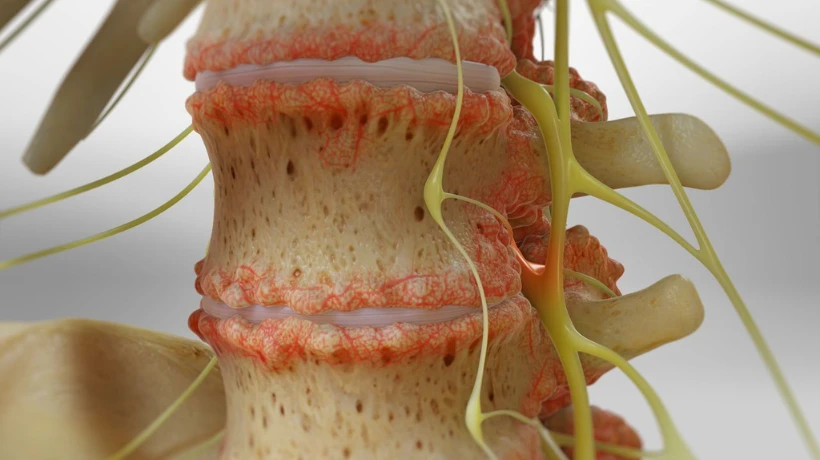
Learn whether spondylolysis can heal without surgery, common treatments, recovery time, and when surgery may become necessary.
Spondylolysis is one of the most common causes of lower back pain, especially in teenagers, athletes, and people involved in repetitive physical activities. Hearing the diagnosis can feel worrying at first, but many people are relieved to learn that surgery is not always necessary. In fact, a large number of spondylolysis cases improve successfully with non surgical treatment.
Understanding how the condition heals and what steps support recovery can help patients make informed decisions about their spine health.
What Is Spondylolysis?
Spondylolysis is a small stress fracture or crack in a part of the vertebra called the pars interarticularis. It most commonly affects the lower spine, particularly the lumbar region.
This condition often develops due to repetitive strain on the spine. Athletes who participate in sports like gymnastics, football, wrestling, tennis, or weightlifting are at a higher risk because these activities repeatedly stress the lower back.
Common symptoms include:
- Lower back pain that worsens with activity
- Tight hamstrings
- Muscle stiffness
- Pain during bending or twisting movements
- Reduced flexibility
Some people may not experience symptoms at all and only discover the condition during imaging tests for unrelated issues.
Can Spondylolysis Heal Naturally?
Yes, many mild to moderate cases of spondylolysis can heal without surgery, especially when diagnosed early. Younger patients often have a better chance of healing because their bones are still developing.
Healing depends on several factors, including:
- The severity of the fracture
- Age of the patient
- Activity level
- How early treatment begins
- Whether the spine remains stable
In many situations, the body can repair the stress fracture with proper rest and conservative care.
Non Surgical Treatments for Spondylolysis
Most doctors begin with non surgical treatment options before considering surgery. These treatments focus on reducing pain, promoting healing, and preventing further stress on the spine.
Rest and Activity Modification
Limiting activities that strain the lower back is one of the most important steps in recovery. Patients are often advised to avoid sports, heavy lifting, or repetitive bending for several weeks or months.
Rest allows the stress fracture time to heal naturally.
Physical Therapy
Physical therapy plays a major role in recovery. A therapist may recommend exercises to strengthen the core muscles, improve flexibility, and stabilize the spine.
A strong core helps reduce pressure on the injured area and lowers the risk of future injuries.
Bracing
In some cases, a back brace may be recommended to restrict movement and support healing. Braces are more commonly used in younger patients or those with active fractures.
Pain Management
Doctors may suggest anti inflammatory medications or other pain relief options to help manage discomfort during recovery.
Ice therapy and posture correction can also help reduce symptoms.
When Is Surgery Needed?
Although many patients recover without surgery, some cases require surgical treatment.
Surgery may be considered if:
- Pain continues despite months of conservative treatment
- The fracture does not heal
- Nerve compression develops
- Spinal instability worsens
- Daily activities become severely limited
Surgical procedures often focus on repairing the fracture or stabilizing the affected vertebrae.
How Long Does Recovery Take?
Recovery time varies from person to person. Mild cases may improve within a few months, while more severe stress fractures can take longer.
Patients who follow their treatment plan carefully often experience better outcomes. Returning to intense physical activity too soon can delay healing and increase the risk of reinjury.
Tips to Support Healing
Here are some practical ways to support recovery from spondylolysis:
- Follow activity restrictions carefully
- Maintain good posture
- Strengthen core muscles gradually
- Avoid sudden twisting movements
- Stay consistent with physical therapy
- Attend follow up appointments regularly
Patience is important during the healing process. Rushing recovery can place additional stress on the spine.
Conclusion
Spondylolysis can often heal without surgery, particularly when diagnosed early and treated properly. Conservative treatments like rest, physical therapy, and bracing help many patients recover successfully and return to normal activities.
However, persistent pain or spinal instability may require surgical evaluation. Seeking medical attention early and following a personalized treatment plan can improve recovery outcomes and protect long term spine health.
Frequently Asked Questions
Can spondylolysis go away on its own?
Mild cases can heal naturally with rest and proper treatment. Ignoring symptoms may worsen the condition over time.
Is surgery always necessary for spondylolysis?
No. Most patients improve with non surgical treatments such as physical therapy, activity modification, and bracing.
How long should I rest with spondylolysis?
Rest periods vary depending on the severity of the injury. Many patients need several weeks to a few months of reduced activity.
Can athletes return to sports after spondylolysis?
Yes, many athletes return to sports after proper healing and rehabilitation. A gradual return is usually recommended.
What happens if spondylolysis is left untreated?
Untreated spondylolysis may lead to chronic pain or progress into spondylolisthesis, where one vertebra slips over another.


Comments
Login to Comment