Can Jawline Contouring Injections Support Facial Aesthetics?
27 Oct, 2026
12 Views 0 Like(s)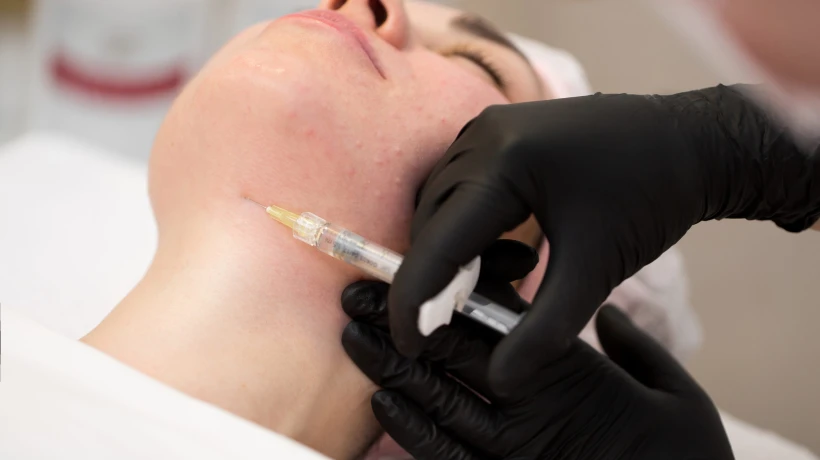
Transformative power of Jawline Contouring Injections in Dubai. Enhance your facial profile, restore youthful contours, and boost your confidence.
Facial aesthetics often focus on balance, definition, and the natural relationship between different facial features. The jawline plays an important role in shaping the lower face, contributing to its overall structure and appearance. Many people explore non-surgical aesthetic options to address concerns such as a soft jawline, limited definition, or an uneven facial outline. Interest in Jawline Contouring Injections in Dubai reflects the growing demand for personalized approaches to facial enhancement.
Understanding the Importance of Jawline Definition
The jawline forms a visible boundary between the face and neck, influencing the overall appearance of the lower face. Its shape varies according to bone structure, soft tissue distribution, muscle development, and natural facial proportions. Some people have a naturally angular jaw, while others have softer contours that create a rounded appearance.
Aesthetic discussions about jawline definition generally consider how this area complements the cheeks, chin, and overall facial outline.
What Are Jawline Contouring Injections?
Jawline contouring injections are injectable aesthetic treatments intended to address selected concerns involving the lower facial outline. Important considerations include:
-
The individual's existing facial structure.
-
The distinction between natural definition and enhanced contours.
-
The suitability of the selected injectable product.
-
Personal preferences regarding facial proportions.
The Relationship Between Jawline and Facial Harmony
Facial harmony refers to the way different features complement one another. A defined jawline may contribute to a more angular facial appearance, but an especially prominent lower face does not necessarily suit every individual.
Aesthetic assessments therefore benefit from considering the face as a whole rather than treating the jawline as an isolated feature. The goal of personalized aesthetic planning is to respect individual proportions and avoid assumptions that one particular facial shape is universally desirable.
Common Aesthetic Concerns Related to the Jawline
People may become interested in jawline enhancement for several reasons. These concerns can vary considerably because facial structure and personal beauty preferences are highly individual. Common considerations include:
-
A jawline that appears soft or insufficiently defined.
-
Differences in contour between the left and right sides.
-
A lower facial outline that seems less distinct than the cheekbones.
-
A desire for greater visual balance between the chin and jaw.
-
Changes in facial fullness associated with aging or weight fluctuations.
How Individual Facial Structure Influences Aesthetics
Natural anatomy has a substantial influence on the appearance of the jawline. Bone width, chin projection, muscle size, and the amount of soft tissue around the lower face all contribute to its overall contour.
Age and hereditary characteristics can also influence facial appearance. Consequently, aesthetic preferences should be considered alongside existing anatomy rather than based entirely on photographs, beauty trends, or comparisons with other people.
The Role of Proportion in Lower Facial Appearance
Proportion is an important consideration when discussing jawline aesthetics. The relationship between the chin, jaw angles, cheeks, and neck can influence whether the lower face appears rounded, tapered, or angular.
A balanced facial outline does not necessarily require a highly prominent jaw. For some individuals, subtle definition may better complement their existing features, while others may prefer a stronger geometric appearance. Personal preferences also differ according to cultural influences and individual perceptions of attractiveness.
Factors to Consider Before Choosing an Injectable Treatment
Before considering any injectable aesthetic treatment, individuals should understand their concerns and the characteristics they hope to address. Relevant considerations include:
-
Whether the concern involves facial proportions, skin laxity, or muscle prominence.
-
Whether the intended treatment is appropriate for the individual's anatomy.
-
Any history of allergies, previous reactions, or relevant medical conditions.
-
Potential adverse effects, including swelling, bruising, infection, and product-specific complications.
-
Whether the expected aesthetic change aligns with personal preferences.
Natural-Looking Definition and Personal Preferences
Natural-looking facial aesthetics generally emphasize compatibility with existing features. Some people prefer a subtle outline that preserves a soft facial appearance, while others favor more noticeable angles and stronger definition.
Online beauty trends can sometimes encourage unrealistic expectations, particularly when edited photographs or different lighting conditions influence perceptions of facial shape. Evaluating personal features independently can support more thoughtful decisions and reduce unnecessary pressure to imitate a particular appearance.
Understanding the Limitations of Jawline Enhancement
Injectable treatments cannot address every concern affecting the lower face. Their suitability depends on the product used, the underlying anatomy, and the nature of the aesthetic issue.
For example, concerns associated with substantial skin laxity or skeletal structure may require a different assessment from concerns involving soft tissue contour. Likewise, facial asymmetry can have several underlying causes, making individualized evaluation important.
Maintaining a Balanced Perspective on Facial Aesthetics
Aesthetic decisions are personal and should not be driven solely by social expectations or temporary beauty trends. Facial characteristics naturally differ, and a softer jawline can be just as harmonious as a sharply defined one.
Learning about available options, understanding potential risks, and considering individual preferences can make aesthetic decisions more informed. It is also important to recognize that appearance represents only one aspect of personal identity and confidence.
Final Thoughts
Jawline contouring injections may be relevant to individuals interested in exploring particular aspects of lower facial definition. However, their suitability depends on individual anatomy, aesthetic concerns, and the characteristics of the injectable product being considered. Facial harmony involves more than creating a prominent jawline; it also includes proportion, symmetry, and compatibility with surrounding features. Understanding these elements can help individuals evaluate their preferences more thoughtfully.


Comments
Login to Comment